


Proprietary algorithm optimized tablet composition and dose level for clinical study in healthy participants
NOTTINGHAM, England – September 17, 2026 – Quotient Sciences, a global integrated CRDMO (contract research, development and manufacturing organization), today reported interim results from a clinical study in which a proprietary artificial intelligence (AI) algorithm selected modified-release formulation compositions and doses during the trial. The algorithm reached the study's preset pharmacokinetic target within three dosing periods, meeting the program's interim objectives.
Developing a formulation that achieves a target pharmacokinetic profile conventionally requires multiple rounds of formulation development and clinical testing, taking months or years to complete. "Predicting how a modified-release tablet will behave in humans is difficult," said Andrew Lewis, Ph.D., Chief Scientific Officer at Quotient Sciences. "The interim data show that the algorithm learned that relationship quickly and accurately, reaching our preset target within three dosing periods."
The clinical work follows laboratory screening in which the same algorithm demonstrated that it could rapidly learn the relationship between tablet composition and in vitro drug release. The algorithm mapped the formulation design space after screening one-third fewer formulations than conventional methods. That finding prompted the hypothesis now being tested in the clinic: A model capable of learning that relationship in the laboratory could also learn how composition influences pharmacokinetics in humans.
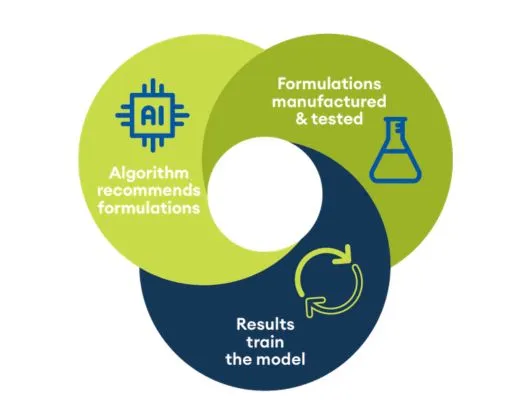
The algorithm entered the trial trained only on in vitro release data. After each dosing period, it was retrained on tablet dissolution results and pharmacokinetic data from the healthy participants, then asked to select the next composition and dose. Quotient Sciences set the limits the algorithm worked within, including a dose cap on the first prototype, and a safety committee approved every composition before manufacture and dosing, providing human-in-the-loop oversight of the trial.
Interim results suggest significant potential for developing optimized formulations with fewer clinical rounds
The study used a generic drug selected for its established safety record and extensive published data. It was chosen to test the algorithm, not as a development candidate, and Quotient Sciences has no plans to progress it as a product.
"We set out to answer three questions," Lewis said. "Can the model learn the relationship between formulation composition and performance in humans, and if so, how quickly and how accurately? On the interim evidence, it can, and quickly enough that we expect to need less clinical testing to develop modified-release formulations for other molecules."
Dosing in the trial continues, and Quotient Sciences will report full data when the study is complete toward the end of this year. The work enhances Quotient Sciences' existing Translational Pharmaceutics® platform, which integrates drug product development, manufacturing and clinical testing. The AI-enhanced formulation development solution supports model-informed drug development by generating a digital twin that links formulation composition to in vitro performance and human pharmacokinetics.
Drug developers interested in applying AI-enhanced formulation development to an early-stage program are encouraged to contact the company for further discussion.