

Patient and volunteer advocacy ensures that patient and clinical volunteer perspectives are considered and used in how treatments, services, and research are designed and delivered.
Putting the patient voice at the center of early-phase research
For over a decade, Quotient Sciences have adopted a model of volunteer centricity as part of our clinical programs. Listening to the insight of volunteers and patients as early as possible, we’ve aimed to reduce unnecessary burden and support sponsors in designing studies that are practical, inclusive, and aligned with real-life needs.
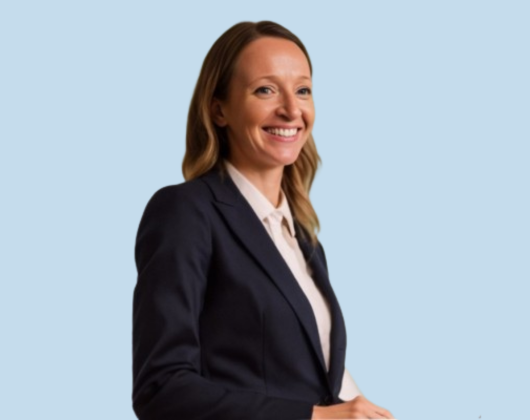
Rebecca Starkie, Senior Director of Feasibility & CRO/Site Partnerships, recently spoke with Ms. Trishna Bharadia, a patient advocate and patient engagement professional, about what patient-centered trial design looks like when put into practice for clinical trials related to Multiple Sclerosis. MS is a disease that impacts an estimated three million people worldwide, with occurrence more likely in women, according to research from the National MS Society (US).
Ms. Trishna Bharadia is the owner of The Spark Global, a patient engagement and advocacy consultancy that works with multiple stakeholders to better embed the patient voice into healthcare and the pharmaceutical industry. Additionally, she is a visiting lecturer at King’s College London’s Centre for Pharmaceutical Medicine Research, serves as Governance Board Member for the MS Centres of Excellence for MS Society UK; and Co-Chairs the Patient Partnership Forum at the Faculty of Pharmaceutical Medicine. In 2022, she was named a PharmaVoice 100 honoree. She lives with several long-term conditions, including multiple sclerosis (MS).
Drawing on her experience across healthcare, research, and medicines development, Trishna shares her perspectives with Rebecca, in a conversation focused on reducing patient burden in a clinical setting and improving communication about trial progress and outcomes.
Rebecca Starkie: From a patient perspective, what makes a study feel genuinely participant-friendly?
Trishna Bharadia: It starts with recognizing that participants do not leave their everyday lives behind when they join a trial. The more a study can account for work, family responsibilities, symptom management and personal routines, the more realistic and accessible trial participation becomes.
For example, people with MS might get physical therapy routinely, or have specific exercise programs they need to continue so they can adhere to their schedule. It can vary depending on the person, whether their routine involves yoga, cycling, walking,but having provisions, so people know that these activities could be available to them is what is important, particularly if they are required to stay at the trial site for a period of time.
Rebecca Starkie: We’ve had, in the past, some trial volunteers join us and they were able to work remotely, with having access to WiFi and quiet places to work.
Trishna Bharadia: Yes that’s really helpful, but even if someone can work remotely, it is still a significant time commitment that removes the person from their regular life and activities.
Rebecca Starkie: That’s very true. What do you think is the biggest factor that can discourage people from taking part in an early phase study?
Trishna Bharadia: Burden is often the biggest issue, as discussed. Long in-clinic stays, high numbers of procedures, and anything perceived as overly invasive can become barriers, particularly if patients do not clearly understand why those elements are necessary. The goal should be to make it easier for someone to say that they do want to take part in a trial.
Rebecca Starkie: How important is having the ability for visitors, especially during a trial with a longer residency?
Trishna Bharadia: Very important. A three-week, or more, residency period can be challenging, even with the proper accommodation put in place. It’s not realistic to have someone stay long-term without visitors.
Rebecca Starkie: If family members were able to stay close by in a hotel, for example, and could come during set periods, do you think that helps?
Trishna Bharadia: Yes. For example, if I’m thinking of a trial with MS patients it’s not realistic to put someone with a condition like MS in an “isolated” residential setting, especially if they are reliant on family or caregivers for support in their daily life.
Not just with those who have MS, but people who live with any long-term condition I think could worry about getting taken out of their regular environment, and how they can best adapt to that. I’ve worked with people who live with all sorts of long-term conditions and one of the main commonalities is how organization, routine and planning often form a large part of their lives. Any sort of disruption to this can potentially have a big impact on them mentally and physically.
Rebecca Starkie: How important is communication in helping patients make an informed decision about trial participation?
Trishna Bharadia: Participants need clear, transparent information not only about what will happen in a study, but about why procedures are being done, what the potential risks are, and what uncertainties remain.
There may be certain procedures as part of the trial, like MRIs involving contrast, that could be concerning. In the MS community, there has been discussion around the risk of toxicity build up due to the contrast dye that is used, for instance, which makes multiple contrast MRIs in a trial unattractive. These, and lumbar punctures (LPs), which many MS patients will have already experienced during the diagnostic process and may have come to dread, may be procedures that MS patients would be reluctant to have if there are too many in quick succession.
Rebecca Starkie: There are specific procedures, like LPs, that are necessary to help assess safety and PK but can be uncomfortable.
Trishna Bharadia: Yes, and with MS patients there are risks of having poor reactions, including a post-lumbar puncture headache for a period of time afterwards. When chatting with the MS community, as soon as LPs are mentioned, it is a divided room, with half saying they’d never do it again and others saying it wasn’t so bad.
Adding context about the purpose of the procedure, and about what to expect, during and after, can make a significant difference when it comes to building confidence and trust.
Rebecca Starkie: Understandable. So, what is the biggest opportunity for sponsors and study teams to improve the participant experience?
Trishna Bharadia: Education is important, including communicating the importance of certain tests like MRIs, blood tests or LPs as necessary to be able to see safety signals.
This extends to helping participants with understanding what side effects may exist for certain classes of drugs. Even in Phase 1 trials, where not everything may be known, maybe there are similarities that can be drawn, based on knowledge about the class of drug, so the participant is better informed.
If there are immunosuppressive components to the drug being tested, or if it increases risk of infections, those things can be of concern for a participant. Currently, there are three broad categories of MS disease modifying treatments according to how they are administered. And within these categories, different drugs behave in different ways. This means you might have people coming into the trial that may be on very different drugs and have had very different experiences.
Ultimately, feedback needs to be clear, so participants know what they’re getting into.
Rebecca Starkie: So, would you say that education is the biggest opportunity, or is there another aspect where sponsors and study teams can improve the participant experience?
Trishna Bharadia: I would say that the biggest opportunity is to involve patients, early and meaningfully. When trial teams listen to patient insight during study design, they are far more likely to reduce unnecessary burden, build in practical support and create protocols that are both more inclusive and more feasible to deliver.
Patient centricity is not just about reducing friction but designing research around the realities of people’s lives. For early-phase studies, that mindset can have a direct impact on both recruitment and feasibility. Learn more about our early clinical development capabilities, including first-in-human to proof-of-concept trials.