A PBPK based simulation study to predict potential gastric transit time and permeability driven drug – drug interactions caused by Rybelsus® (semaglutide + SNAC)

Scientific Posters , Peptide Drug Development , Oral Peptides , PBPK modelling , Modelling & Simulation

A PBPK based simulation study to predict potential gastric transit time and permeability driven drug – drug interactions caused by Rybelsus® (semaglutide + SNAC)

Overview

Glucagon-like peptide-1 receptor agonists, such as oral semaglutide (Rybelsus®), are widely used for diabetes and weight management. Semaglutide slows gastric transit time (GTT), while its formulation includes the permeation enhancer sodium salcaprozate (SNAC). Clinical data show repeated Rybelsus® co-administration minimally affects metformin maximum plasma concentration (Cmax) but increases area under the curve (AUC), whereas furosemide Cmax decreases and AUC increases. Physiologically based pharmacokinetic (PBPK) modelling was applied to mechanistically explore these interactions and predict effects on other drugs.

Here we assess the impact of semaglutide-induced GTT changes and SNAC-related permeability changes on metformin and furosemide exposure; to predict these effects on other drugs.

,Download

Quotient Science Experts Highlighted in Bioavailability & Solubility Special Feature: How an Data-Driven Approach Accelerates Development

News & Announcements , Articles & Publications , Dr. Andrew Lewis

Quotient Science Experts Highlighted in Bioavailability & Solubility Special Feature: How an Data-Driven Approach Accelerates Development

In a Drug Development & Delivery special report, Quotient Sciences experts explained techniques that are being used to identify the most viable bioavailability and solubility enhancement strategies for modern drug candidates. 

Quotient Sciences’ contribution focused on the challenges associated with poorly soluble compounds and the limitations of relying solely on predictive in vitro or preclinical models when selecting formulation strategies. Quotient Sciences’ integrated approach to formulation selection combines enabling technologies, like particle size reduction and amorphous solid dispersions, with early human data to guide development pathways. 

At the same time, the article reinforced a key theme: no single technology or model can address bioavailability and solubility challenges in isolation. 

Instead, the most effective strategies emerge from combining computational insight with experimentally derived, clinically relevant data—an approach that aligns closely with Quotient Sciences’ Translational Pharmaceutics® platform. By evaluating formulation performance in humans earlier in development, Quotient Sciences helps reduce the risk of late‑stage formulation failure and unnecessary investment in sub‑optimal approaches. 

The full special feature, Bioavailability & Solubility: Experimental Techniques Combined With Computational Decision‑Making Rapidly Identify the Most Viable Enhancement Pathway,” is now available to read in full on the Drug Development & Delivery website with contributions from Paloma Benito Gallo, Senior Modelling and Simulations Research Fel­low; Jane McGuffog, Director, Modelling and Simulation; and Dr. An­drew Lewis, Chief Scientific Officer.

Thierry Van Nieuwenhove Speaks with Making It In Manufacturing Podcast on What Sets Quotient Sciences Apart as a CRDMO

News & Announcements , Articles & Publications , Thierry Van Nieuwenhove

Thierry Van Nieuwenhove Speaks with Making It In Manufacturing Podcast on What Sets Quotient Sciences Apart as a CRDMO

Thierry Van Nieuwenhove, CEO of Quotient Sciences was recently featured in an industry podcast interview, sharing insights on the evolving role of CDMOs and the strategic advantages shaping the future of pharmaceutical development.

Recorded onsite during DCAT Week, the discussion reflects the ongoing industry dialogue around innovation, collaboration, and changing expectations placed on CDMO partners.

During the conversation, Mr. Van Nieuwenhove discussed key trends influencing the outsource market, including the growing demand for integrated development and manufacturing models, speed‑to‑clinic pressures, and how closer alignment across formulation, manufacturing, and clinical supply can help sponsors reduce risk and timelines.

The interview explored how Quotient Sciences’ differentiated approach supports more informed decision‑making earlier in development, particularly for complex molecules and accelerated programs. In highlighting emerging therapies such as GLP-1s, Mr. Van Nieuwenhove commented: "We are seeing a big trend with GLP-1s... Quotient Sciences has been able to work with nearly all GLP-1's out there in the market, helping with the formulation and [developing them] to the place where they are today."  

Drawing on examples from across the pharmaceutical pipeline, Mr. Van Nieuwenhove continued to highlight why integration, scientific depth, and operational flexibility are becoming increasingly important for emerging and established pharma companies alike. 

"This is where Quotient Sciences has the ability to help, getting faster to proof-of-concept than anyone else... As a small biotech or midsize biotech, you have the ability to go to your investors and raise more money, because you have demonstrated the ability to perform in Phase 1." he said. 

The full episode, “This CDMO Has an Advantage No One Else Can Replicate,” is now available to watch on Youtube, as well as on Apple Podcasts and other podcast streaming services. 

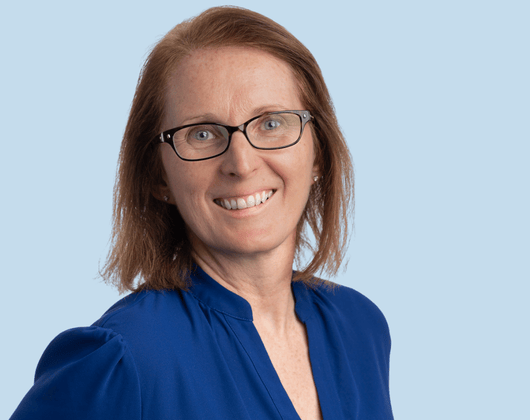
Kelly Rhys-Jones - Chief People Officer

Kelly

Kelly Rhys-Jones

Chief People Officer

Executive Leader
About

Kelly Rhys-Jones shapes Quotient Sciences' people strategy, working closely with the CEO and executive leadership to oversee the full colleague lifecycle, from hiring and onboarding to development and retention across the company's UK and international locations.

With over two decades of experience spanning the oil and gas, banking, and pharmaceutical sectors, Kelly has led transformative HR initiatives using an approach that is grounded in collaboration and strategic foresight. She has been instrumental in driving organizational change, supporting leaders through complex transitions, and fostering a culture of agility and innovation.

Known for her ability to deliver results while maintaining a people-first ethos, Kelly continues to champion initiatives that enhance employee wellbeing, employer branding, and leadership development.

Volunteer Centricity in Early Clinical Development: How Quotient Sciences Enhances Study Outcomes through a Focus on Volunteer Advocacy and Feedback

Clinical Pharmacology , Nottingham

Volunteer Centricity in Early Clinical Development: How Quotient Sciences Enhances Study Outcomes through a Focus on Volunteer Advocacy and Feedback

For sponsors developing early‑phase programs, volunteer and patient experience, compliance, and retention are not peripheral concerns — they directly influence timelines, data quality, and regulatory confidence. Selecting a CRO partner that places volunteers at the heart of their clinical programs offers several advantages: The CROs that are most committed to ensuring a positive and safe experience directly impacts retention rates, compliance, and the overall quality of clinical data. 

Quotient Sciences has a long history of success in early development, across more than three decades and over 1,300 Phase I programs at our clinical sites in Miami (US) and Nottingham (UK). Our teams conduct first-in-human to proof of concept as well as a range of clinical pharmacology studies—including food effect, drug-drug interaction (DDI) and human ADME assessments.  

With over 35,000 active healthy volunteers and specialized recruitment teams, we support a range of study designs, including those involving special populations, always aiming to deliver high quality data with an emphasis on safety, compliance, and operational reliability. Above all, volunteer satisfaction and safety throughout every trial.

According to Clare Preskey, Executive Director, Clinical Operations, “What differentiates our approach is not individual initiatives, but a formalized, long‑standing framework that embeds volunteer feedback into how studies are designed and delivered across both our US and UK clinics.”

A culture of volunteer centricity and advocacy

Inspired by patient centricity discussions happening at an industry-wide level, we’ve put a focus on healthy volunteer centricity for well over a decade and now the focus is back to include patients. At both of our clinics, our volunteer centricity group is made up of staff and volunteers who work to provide ongoing, independent feedback on procedures and documentation through open forums and regular input.  

Our goal is to maintain a consistent approach that reflects volunteer perspectives in how studies are conducted, and strive for continuous improvement related to:

  • Recruitment rates – 99% of our studies start on-time with full cohorts  
  • Volunteer retention on studies – >98% of our studies complete with full cohorts  
  • Volunteer well-being
  • Volunteer satisfaction, resulting in a high proportion of repeat volunteers  
  • Compliance and treatment adherence  
  • Clear and concise documentation that is well understood by our volunteers

Group members work diligently to gather feedback from volunteers, review materials such as patient information sheets, and consider and act upon suggestions, offering feedback when appropriate. Both of our clinics follow a similar approach, ensuring consistency in the quality of studies and volunteer experience across our sites.  

Our volunteers have expressed their appreciation for our teams taking their feedback into account and have highlighted to us the positive impact of these changes and benefit to overall well-being throughout their time participating in our study programs.  

We routinely make improvements based on volunteer feedback. Our new, state-of-the-art facility, Lee House, at our Nottingham campus, features entertainment including dartboards, re-felted pool tables, new Xbox consoles, and new board games. We significantly updated our Nottingham clinic in 2024, with renovations including refreshing paint and flooring, as well as new mattresses, pillows, and linens. Additionally, we added a new outdoor space for volunteer enjoyment.

Similarly, our patient-centric practices complement our volunteer-centric initiatives. We have made adaptations in clinic processes to accommodate patient cohorts; for example, offering chaperones, offering remote participation when possible, adjusting clinic layouts to make room for additional equipment.

We take great pride in ensuring our volunteers have a positive experience working with us and are proud of the fact that volunteers have told us directly that our culture of volunteer centricity makes us a number one choice for volunteers wishing to participate in trials in the UK. In 2025, 100% of volunteers said they would come back to do another study and 100% would recommend us to a friend or family.

Diversity and inclusivity in clinical trial practice

As a global company, we value representing the communities we serve and our goal is to develop a diverse volunteer panel. For example, cultural adaptations for Japanese bridging studies have included providing on-site translators as well as translated menus, reading materials.  

To enhance outreach to diverse and underrepresented populations, we offer targeted recruitment strategies including:  

  • Strategic partnerships with community organizations, faith groups, and local leaders
  • Inclusive advertising using diverse imagery and culturally relevant messaging
  • Multilingual materials and staff trained to communicate in participants’ preferred languages
  • Simplified, plain-language documentation to improve accessibility and understanding
  • Financial and logistical support such as travel stipends, childcare assistance, and flexible scheduling

Our team undergoes regular cultural competency training to reduce unconscious bias and improve participant experience. We also monitor diversity metrics throughout recruitment to identify gaps and continuously improve our approach.  

While early phase trials typically involve small sample sizes and are not intended to be demographically representative of the patient population, they play a critical role in generating foundational safety, pharmacokinetic (PK), and pharmacodynamic (PD) data. We uphold a strict non-discrimination policy in line with all applicable laws, and our recruitment practices are designed to be fair, transparent, and inclusive. In accordance with UK Health Research Authority (HRA) and US Food and Drug Administration (FDA) guidance, we ensure that no individual is excluded unnecessarily. Where we identify inclusion criteria that may inadvertently exclude specific sub-populations, we proactively raise this with the sponsor to support more inclusive protocol design.  

By embedding inclusivity into our recruitment strategy, we not only uphold ethical standards but also support our sponsors in meeting regulatory expectations and enhancing the robustness of their clinical development programs.  

Adapting to the needs of our sponsors

Common sponsor questions to our teams are often focused on volunteer wellbeing, compliance, retention, and diversity. These factors are key elements considered by sponsors in decision-making, and our staff ensures processes are optimized in each of these areas.  

In a recent clinical trial, to accommodate a sponsor’s request, our team took extra measures to ensure our volunteers were able to get outside for a walk and some exercise around the country park as often as possible to enhance their wellbeing and mental health whilst on trial.

Taking Part

We pride ourselves on our altruistic approach that underpins everything we do. By actively seeking and integrating volunteer feedback into study design and delivery, we aim to not only improve volunteer satisfaction but foster trust and engagement among participants. This approach leads to smoother study operations, higher rates of repeat volunteers, and greater regulatory confidence, ultimately supporting sponsors in delivering successful early-phase programs.

Want to learn more about our work in early clinical development or interested in taking part in one of our upcoming clinical studies? Visit our volunteer website for more information or don’t hesitate to contact our team today. 
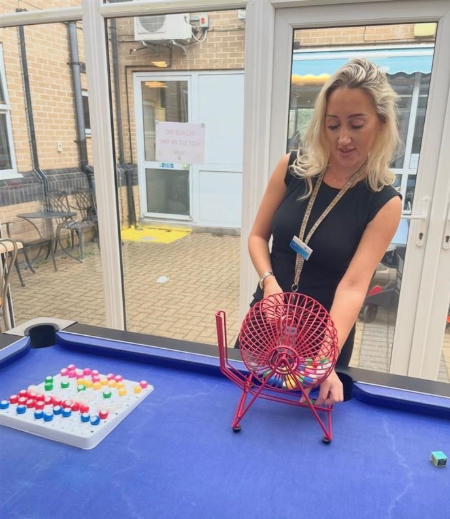
  pool tables at Nottingham clinic  bingo hosted at Nottingham clinic35th anniversary of Quotient Sciences cards at Nottingham clinic


Dr. Vanessa Zann Featured in Drug Development & Delivery Highlighting Translational Pharmaceutics® Program with Evecxia Ther­apeutics

Articles & Publications , Dr. Vanessa Zann , Translational Pharmaceutics® , Clinical Trials

Dr. Vanessa Zann Featured in Drug Development & Delivery Highlighting Translational Pharmaceutics® Program with Evecxia Ther­apeutics

Quotient Sciences (Nottingham) partnered with Evecxia Ther­apeutics to support the development of EVX-101, an investiga­tional adjunctive drug for depression and obsessive-compulsive disorder (OCD) responding inadequately to first-line antidepres­sants. The program is featured as part of a recent article with Drug Development & Delivery.

Depression affects an estimated 5% of adults globally, and in the US, depression diagnoses have risen 33% since 2013; twelve-month depression prevalence is 10.7%; and healthcare spending by a patient suffering from depression is twice that of the average patient. Unfortunately, less than one-third of patients respond adequately to first-line serotonin reuptake inhibitor an­tidepressants (eg, Prozac®) therapy. Current next-line options are limited by modest efficacy and safety concerns. For patients who do not respond adequately to first-line antidepressants, new next-line options are urgently needed.

EVX-101 is a first-in-class drug acting via Serotonin Syn­thesis Amplification. Using Quotient Sciences’ Translational Pharmaceutics® platform, the team developed and manufactured the drug product and conducted an adaptive clinical study to op­timize performance against the target product profile.

A gastro-retentive (GR), bilayer modified-release (MR) EVX-101 tablet formulation combining 5-hydroxytryptophan (5-HTP) — the natural immediate serotonin precursor — with low-dose carbidopa (enhances 5-HTP’s bioavailability) was developed and manufactured for clinical testing. This formulation approach ef­fectively addressed the inherent challenges of 5-HTP’s short half-life, narrow absorption window, and low bioavailability.

The two-part clinical study involved a sipping protocol to confirm the GR strategy and to define the carbidopa dose range (Part 1) and a formulation optimization study using a 2-dimen­sional design space to vary the release rate of the two drugs and the GR retention time (Part 2). The formulations were radiolabeled with not more than 1 MBq 111indium allowing gamma scintig­raphy to be used to assess in vivo formulation performance. The optimized formulation was then progressed to a Phase I pro­gram, which included single ascending dose (SAD) and multiple dose titration (MAD) study in healthy volunteers treated with esc­italopram.

To learn more about the program and significant time savings achieved compared to conventional formulation optimization strategies, read the full article on Drug Development & Delivery.

Colleague Stories: Amit Sawant

Blog , Careers

Colleague Stories: Amit Sawant

Get to know the people behind Quotient Sciences in our colleague Q&A series. 

What’s your current role at Quotient Sciences?

My current role is Head of Development (Formulation Development; Pharmaceutical Science).

How did your career journey here begin?

I began my journey as a placement student in the Formulation Development team at Co‑Formulate, which was later acquired by Quotient Sciences. That early hands‑on experience gave me a strong foundation and set the path for my career here.

What roles or career moves have you made since joining?

Since joining, I’ve progressed through several roles within the same department — starting as a Formulation Scientist and then advancing to Senior Formulation Scientist. I later moved into a more customer‑focused role as a Project Scientist, which gave me a broader view of the drug product development journey and deeper insight into clinical and regulatory requirements. From there, I progressed to Senior Project Scientist before being promoted to Head of Development, where I now also focus on people leadership and supporting the growth and development of our teams.

What have you enjoyed most about your career at Quotient Sciences?

I’ve really enjoyed knowing that the work we do here can ultimately help treat life‑enabling diseases. That sense of purpose is incredibly motivating and inspires me to show up each day striving to do even better.

What’s one achievement you’re proud of?

One of the moments I’m most proud of was when a drug product developed by our team was dosed in an off‑site patient study. We later received a heartfelt letter from one of the study participants, thanking us for the difference the medication had made to their daily life. It was incredibly humbling and a powerful reminder of why our work matters.

What’s helped you progress or develop the most?

Being true to myself has played a big part in my development, along with the support of incredibly talented and experienced colleagues who I’ve learned so much from. I’ve also been fortunate to have great mentors who have guided and challenged me, helping me grow into the role I’m in today.

What advice would you give to someone wanting to progress their career at Quotient Sciences?

Be yourself, stay humble, and be willing to learn. Quotient Sciences is a great place to grow, and if you’re open, curious, and proactive, the organization will help you shape and create your own career path.

I’ve really enjoyed knowing that the work we do here can ultimately help treat life‑enabling diseases. That sense of purpose is incredibly motivating and inspires me to show up each day striving to do even better.
– Amit Sawant

Colleague Stories: Henry Outram

Blog , Careers

Colleague Stories: Henry Outram

Get to know the people behind Quotient Sciences in our colleague Q&A series. 

What’s your current role at Quotient Sciences?

My current role is a Pharmaceutical Systems Administrator, working in IT. I focus primarily on the Global LabWare LIMS/ELN (Laboratory Inventory Management System/Electronic Laboratory Notebook). This system covers various areas of the company from recording lab write-ups in Nottingham, Philadelphia, and Reading, generating Philadelphia commercial codes and tracking (soon!) their products, lots, and samples, to integrating instruments to record measurements straight into the ELN. This role gives me a range of opportunities to assist users with any issues, configure and validate new features of the system, and train users.

How did your career journey here begin?

I started at Quotient Sciences back in 2017 as part of Co-Formulate, based in MediCity on the Boots site, as a Laboratory Technician Apprentice. I was responsible for the day-to-day upkeep of the labs, ordering reagents, calibrating balances, and ensuring there is clean glassware for the lab; this role also started my work as an analyst, working and learning alongside the other analysts in the team. During this time, I attended college once a week to work towards my Level 3 qualifications and NVQ standards.

What roles or career moves have you made since joining?

Since joining in 2017, as a Laboratory Technician Apprentice based in MediCity, I soon moved to the Sherwood Development Laboratory as part of the Consumer Health department in Pharm Sci. Following the completion of my Apprenticeship in 2019, I continued as an Analytical Development Scientist, starting to work across both labs in Sherwood and Lime House. Working throughout the COVID lockdowns, I was part of the swab team going into the manufacturing suites to ensure the equipment and facilities were cleaned and continued to work on more studies. In 2021, I moved into my current role for the newly created Pharmaceutical Systems team.

What have you enjoyed most about your career at Quotient Sciences?

I’ve had 8.5 years at Quotient Sciences throughout 3 roles and been able to visit 4/6 of our sites. From starting as an apprentice to now, I feel like I’ve been able to work with and see large areas of the company. I've been able to learn and see the work of many different departments and see the contributions I’ve bought forth. The feeling that I’ve been able to help is what I get satisfaction from.

What’s one achievement you’re proud of?

In June 2023, I travelled to Madrid for the European LabWare Customer Education Conference, here I presented to 650+ attendees about our rollout of the ELN, and integration with other some of our other systems Veeva and Schedule It. This was a huge step for me where only a couple of years prior I would have been absolutely terrified!

What’s helped you progress or develop the most?

My colleagues. I’ve learned so much from the people I have worked with over the years and I couldn’t have got to where I am now without their willingness to teach me, show me new processes, and help me learn throughout my work.

What advice would you give to someone wanting to progress their career at Quotient Sciences?

Show interest and get as involved as you can with ongoing projects and interact with other departments within the company. We have many interesting projects ongoing. There are always new skills, systems and processes to learn, speak up and ask to be involved.

I’ve learnt so much from the people I have worked with over the years and I couldn’t have got to where I am now without their willingness to teach me, show me new processes, and help me learn throughout my work.
– Henry Outram

Colleague Stories: Dr. Asma Patel

Blog , Careers

Colleague Stories: Dr. Asma Patel

Get to know the people behind Quotient Sciences in our colleague Q&A series. 

What’s your current role at Quotient Sciences?

I’m currently Vice President, Global Commercial and Scientific Consulting – Drug Product. In this role, I lead the drug product commercial, scientific consulting, and proposals teams. I work very closely with clients as well as internal scientific and operational teams to shape development strategies. What I enjoy most is helping clients understand how Quotient Sciences' science, people, and integrated capabilities can come together to solve complex drug product challenges and ultimately support better decision‑making and successful programs.

How did your career journey here begin?

I joined Quotient Sciences 17 years ago as a bench formulation scientist, working hands‑on in the lab on drug product development. Those early years were all about learning the fundamentals, troubleshooting real formulation challenges, and understanding how development decisions impact projects downstream. That strong grounding in practical science has shaped everything I’ve gone on to do since and continues to influence how I approach leadership, strategy, and client conversations today.

What roles or career moves have you made since joining?

Over the years, I’ve progressed through a wide range of roles across the organization. I started in scientific roles as a Formulation Scientist, Senior Formulation Scientist, and Principal Formulation Scientist, before moving into technical operational leadership roles including Director and Senior Director of Development. From there, I transitioned into more commercial‑facing leadership roles, including Executive Director, Product Development, VP Integrated Development Services, and now my current role. Each move allowed me to build on my technical foundation while taking on broader responsibility across project leadership, people management, client engagement, and strategic consulting, combining deep science with a strong external and commercial focus.

What have you enjoyed most about your career at Quotient Sciences?

The variety and the people. I’ve had the opportunity to work across different technologies, therapeutic areas, client challenges, and teams, which has kept my work interesting and continually evolving. I’ve also been very lucky to work alongside many talented, supportive colleagues over the years. Quotient Sciences has allowed me to grow, change direction, and develop new skills without having to leave the organization, which isn’t something everyone gets to experience.

What’s one achievement you’re proud of?

I’m particularly proud of successfully transitioning from a purely technical role into a senior leadership and client‑facing position, while still staying closely connected to the science. Being able to use my technical background to add value in strategic discussions, while also mentoring and developing others, has been very rewarding and something I’m genuinely proud of.

What’s helped you progress or develop the most?

Being open to new opportunities and willing to step outside my comfort zone has made a huge difference. I’ve also benefited from having supportive managers, mentors, and teams who have encouraged me to take on new challenges. Quotient Sciences has consistently invested in my development and trusted me with increasing responsibility, which has played a big part in my growth.

What advice would you give to someone wanting to progress their career at Quotient Sciences?

Be curious, speak up about your ambitions, and don’t be afraid to try something new. Careers don’t always follow a straight line, and there are many different paths available at Quotient Sciences. Taking opportunities, even when they feel a bit uncomfortable at first, can open doors you might not have expected!

What I enjoy most is helping clients understand how Quotient Sciences' science, people, and integrated capabilities can come together to solve complex drug product challenges and ultimately support better decision‑making and successful programs.
– Dr. Asma Patel

Subscribe to