Dr. Andy Lewis Featured in Pharma Source Article

News & Announcements , Dr. Andrew Lewis , Articles & Publications

Dr. Andy Lewis Featured in Pharma Source Article

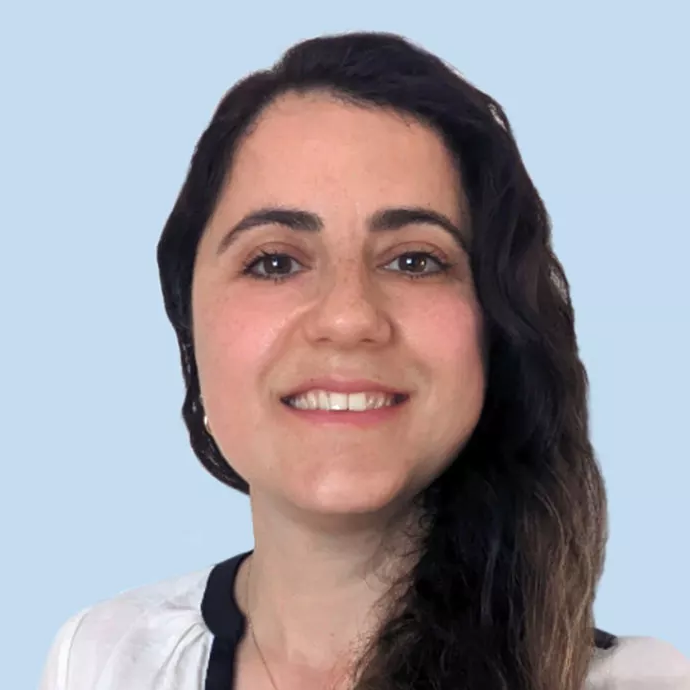
Dr. Andy Lewis, Chief Scientific Officer at Quotient Sciences, contributes to Pharma Source article on How to Build Resilient Pharma-CDMO Partnerships in 2025. 

With the pharmaceutical sector facing geopolitical uncertainty, evolving regulations, and rapid technological change, defining what makes a strong external partnership has become more crucial than ever. 

In this article the industry leaders from CDMOs, biotech firms, and technology providers for their perspectives on building partnerships that can withstand today’s and tomorrow’s challenges

Dr. Andy Lewis emphasizes that “the strongest partnerships are where there is both a cultural and commercial fit between the organizations. This not only aligns the team’s priorities from the outset, but also fosters open communication and an environment of trust and transparency.

Read the full article on the Pharma Source website.


Insights from CRS 2025

Dr. Andrew Lewis , Scientific Innovation , Scientific Achievements , Corporate Updates

Insights from CRS 2025

Dr. Andrew Lewis shares key takeaways from the 2025 Controlled Release Society Annual Meeting, highlighting advances in oral peptide delivery and the growing role of AI/ML in drug development.

My summer always starts with the Controlled Release Society Annual meeting, held each year in July…somewhat awkwardly around my partner’s birthday. You may know I have been involved in the CRS for over 20 years now and not only does it keep me abreast of the latest science in drug delivery, but also provides an opportunity to catch up with the many friends and collaborators I have made over the years.

This year’s meeting was one of the best for many years in terms of scientific content. The plenary speakers alone included Professor Bob Langer (MIT), Nobel Laureate Drew Weissman (Uni. Pennsylvania), and my old lab mate Dame Molly Stevens (Uni. of Oxford), each of which were truly inspirational.

As far as Quotient Sciences’ contribution, I organized a preconference workshop on oral peptide delivery together with David Brayden (UCD) and Stephen Buckley (Novo Nordisk). Speakers from Novo Nordisk, BMS, Genentech, Merck, Chugai, J&J, and Protagonist Therapeutics shared their perspectives on oral peptide advancements, with talks on everything from early mechanistic studies through to clinical translation and late-stage clinical development.

We’ve seen a huge uptick in oral peptide programs over the last few years and have supported the clinical translation of approaching twenty, amassing a wealth of experience and knowledge along the way in both the CMC and clinical aspects of what may well be the last frontier in oral delivery. This increased interest is undoubtedly a result of parallel advances in peptide engineering and drug delivery. The majority of peptides and macrocycles we have worked with in recent years have been specifically designed for oral delivery. Whilst there is still a lot to learn, we now know much more about oral peptide biopharmaceutics to be able to support clients better.

One of my colleagues presented on some PBPK modelling we have done on an oral peptide that was able to predict changes in clinical bioavailability with changes in permeation enhancer content, and some of his work in predicting potential DDIs of a GLP1 analogue co-formulated with a permeation enhancer. A summary of the workshop will be published in Frontiers in Drug Delivery—reach out to me if you want to be notified when it's out and we’ll be sure to share a copy.

One of the things that has been striking over the last few years at CRS was the increased number of presentations including some form of computational science. This year was no different, with Ai/ML in particular having both dedicated sessions and seemingly being presented in at least one talk in each session I attended.

At Quotient Sciences, we have worked on several drugs that had been initially discovered using Ai—this goes back quite a few years. I expect this technology will be routinely used as a tool to help pharma and biotechs better manage risk, accelerate development, and improve the understanding and control of drug product manufacturing—amongst other things! In the near future, hope to share with you some of what we have been doing in that space.

I left the CRS conference this year both inspired and excited for the future. Whilst there are undoubtedly many challenges facing scientific research and the pharmaceutical/biotech industry right now, I have lived through enough of these cycles to know that the work we are doing is highly valued by society and science will prevail. 
Fireside Chat & Beer Tasting Evening Hosted by Quotient Sciences at CPhI Frankfurt

Fireside Chat & Beer Tasting Evening Hosted by Quotient Sciences at CPhI Frankfurt

Frankfurt am Main, Germany | 29 October 2025
Overview

Join us for an exclusive evening of insightful discussion, premium craft beer, and gourmet canapés during CPhI Worldwide 2025 in Frankfurt. 

Registration for this event is closed.

Hosted by Quotient Sciences, this relaxed networking event will bring together industry professionals and thought leaders to explore the future of drug development. Expect engaging conversations around cutting-edge topics such as challenges in CMC in modern pharmaceutical development, AI-driven formulation development and the expanding role of mRNA-based therapies. 

Whether you're looking to connect with peers, gain fresh insights, or simply unwind after a busy day at the conference, this evening promises to be both informative and enjoyable.

Key learning objectives:

  • Understand emerging trends in drug development and their impact on the pharmaceutical development process
  • Explore developments in the application of AI in formulation development
  • Gain insights into the challenges associated with development of mRNA-based therapies, and opportunities for supply chain innovation
  • Expand professional networks through meaningful conversations with peers and industry leaders
Date/TimeLocation

Wednesday, 29th October, 2025

5:30 PM - 6:15 PM - Arrival/Registration

6:15 PM - 7:30 PM - Fireside Chat

7:30 PM - 9:30 PM – Networking, Canapes and Beer tasting

Frankfurt Marriott Hotel

Hamburger Allee 2,
60486 Frankfurt am Main, Germany

Space is limited! Register your interest to attend our seminar. If you have any questions or difficulty registering, reach out to [email protected].


*We reserve the right, at our sole discretion, to deny registration or remove any individual who is not a confirmed current or potential client/partner of Quotient Sciences.

Location
Frankfurt Marriott Hotel
Hamburger Allee 2, 60486
Frankfurt am Main, Germany

Quotient Sciences Issues 2024 ESG Report

News & Announcements , ESG

Quotient Sciences Issues 2024 ESG Report

We’re proud to announce the release of Quotient Sciences’ 2024 Environmental, Social, and Governance (ESG) Report.

This year’s report highlights the progress we’ve made across our ESG commitments—from deepening our climate data reporting and expanding DEI training, to launching impactful community outreach and sustainability initiatives. These achievements reflect the collective efforts of our teams across the globe. 

Highlights include:

  • Full Scope 3 emissions reporting for the first time
  • 100% renewable electricity usage in the UK
  • 79% global completion rate of our DEI training program
  • Expansion of the My Green Lab Ambassador Program
  • STEM and climate education outreach across our sites
  • Continued support for mental health and wellbeing
  • Strengthened governance and supplier engagement

Download the 2024 report.

Quotient Sciences 2024 ESG Report

Mountain range with trees and river
Info Sheets , Sustainability

Quotient Sciences 2024 ESG Report

19 September 2025
Overview

As we reflect on 2024, Quotient Sciences has made improvements not only in accelerating drug development for our partners and patients, but also in advancing our ESG commitments.

This year marked a turning point in how we measure and manage our environmental impact. For the first time, we fully incorporated emissions from Purchased Goods & Services into our Scope 3 reporting, resulting in a more complete and transparent greenhouse gas inventory. While this led to a significant increase in reported emissions, it reflects our pledge to put accuracy over optics, a principle that underpins our entire ESG strategy. 

We also piloted the My Green Lab Ambassador Program, empowering our scientists to lead sustainability efforts from within the labs. Initiatives like these are helping us embed environmental stewardship into our day-to-day operations, from reducing energy use to rethinking single-use plastics. 

Beyond the environment, we continued to invest in our people and communities. Our global DEI training program reached colleagues across all sites, and our STEM outreach efforts inspired the next generation of scientists. We also became a proud signatory to the UN Global Compact, aligning our operations with its ten principles on human rights, labor, environment, and anti-corruption.

Throughout 2025, we are setting ambitious goals to further our ESG: committing to a Science-Based Target, expanding our My Green Lab Ambassador Program, and deepening our supplier engagement to drive sustainability across our value chain. 

Together, we are building a more sustainable, inclusive, and resilient future. Find out more about our ESG commitments.

Download The Report
Download
Date
19 September 2025

Poster Spotlight: Predicting Belumosudil Drug-Drug Interactions Using a Physiologically Based Pharmacokinetic Model

Pediatrics , Biopharmaceutics

Poster Spotlight: Predicting Belumosudil Drug-Drug Interactions Using a Physiologically Based Pharmacokinetic Model

Predicting Belumosudil Drug-Drug Interactions Using a Physiologically Based Pharmacokinetic Model

Summary: Belumosudil is a selective ROCK2 inhibitor approved for treating chronic graft-versus-host disease (cGVHD) in adult and pediatric patients. Its metabolism involves multiple cytochrome P450 (CYP) enzymes, with CYP3A4 contributing nearly 42% of its clearance. 

At the 2024 American Association of Pharmaceutical Scientists (AAPS) PharmSci 360 conference, Quotient Sciences’ poster showcased the development of a Physiologically Based Pharmacokinetic (PBPK) model to simulate drug-drug interactions (DDIs) of belumosudil with itraconazole, rifampicin, and efavirenz. 

Read highlights from the poster “Predicting Belumosudil Drug-Drug Interactions Using a Physiologically Based Pharmacokinetic Model” below. Download the poster to see additional findings.    

Study design and methodology

This study employed a physiologically based pharmacokinetic and biopharmaceutics (PBPK/PBBM) modeling approach using the GastroPlus™ software platform (Simulations Plus, Inc.). The primary objective was to predict the impact of various cytochrome P450 3A4 (CYP3A4) inhibitors and inducers, including itraconazole (ITZ) and rifampicin (RIF), on the pharmacokinetics of belumosudil. The model's utility was further extended to simulate DDIs involving the moderate CYP3A4 inducer efavirenz (EFV), for which clinical data were not available.

A whole-body PBPK model for belumosudil was constructed using published in vitro and clinical pharmacokinetic data. This involved: 

  • Integrating key physicochemical properties and ADME (absorption, distribution, metabolism, and excretion) parameters into the model, using either available in vitro data or predictions from the ADMET Predictor™ tool.  
  • Refining enzyme kinetics by incorporating clinical data on absolute bioavailability and food effects.
  • Validating the model against observed plasma concentration-time profiles derived from IV and oral dosing studies.  

The model was used to simulate drug-drug interactions involving the CYP3A4 inhibitors ITZ and RIF. These predictions were then validated against existing clinical data to confirm the model's reliability and predictive performance. The model was subsequently applied to predict interactions with EFV, in the absence of available clinical trial data. This application showcases the model's utility in offering insights for potential drug combinations when clinical trial data are not available.

Key findings from the program

The PBPK model for belumosudil demonstrated robust predictive capabilities, accurately forecasting DDIs in healthy male subjects, demonstrating its value in various scenarios: 

  • ITZ Interaction: Successfully predicted an approximate 25% increase in belumosudil exposure when co-administered with ITZ (a strong CYP3A4 inhibitor), consistent with clinical data (17%-33% increase).
  • RIF Interaction: Accurately predicted a substantial 72% decrease in belumosudil exposure with RIF (a strong CYP3A4 inducer), closely matching clinical observations (70%-74% reduction).
  • EFV Prediction: Expanded its utility by predicting a moderate 40% reduction in belumosudil exposure (AUC0-t) with EFV (a moderate CYP3A4 inducer), potentially reducing the need for dedicated clinical studies. 

The model also provided reliable estimates of bioavailability and metabolic clearance, demonstrating its utility in simulating complex pharmacokinetic scenarios. This offers particularly  valuable insights for guiding dosing strategies, identifying potential risks, and informing regulatory decisions—particularly when future clinical DDI studies are not feasible or to confirm retrospective findings.

By enabling quantitative predictions of drug interactions, this model supports smarter, faster optimization and refinement of belumosudil and similar compounds, helping to ensure safe and effective use across diverse patient populations.

Download the poster to see additional findings and learn more about modeling & simulation services provided by Quotient Sciences.

To get alerted about new blogs, news, and updates from our company, make sure you're on our mailing list. Subscribe for email updates.

Dr. Christian Dowdeswel - Managing Director - Arcinova

Dr. Christian Dowdeswel

Dr. Christian Dowdeswel

Managing Director - Arcinova

Executive Leader
About

Dr. Christian Dowdeswell is an experienced pharmaceutical services executive with 30 years of experience in the CDMO sector across Drug Substance and Drug Product. Christian’s career most notably includes a decade at Lonza in leadership roles. Today Christian is Managing Director of Arcinova.

Christian is a former scientist with a PhD in Organic Chemistry from the University of Teesside and a Fellow of the Royal Society of Chemistry.

Christian has a strong track record of delivering customer value, aligning service capability with customer needs. Christian has a keen interest in innovation and has launched or developed service offerings that use new technology to address customer problems.

Seminar: From Bench to Bedside: Accelerating Early Drug Development with an Integrated, Multi-Phase Development Partner

Small Molecule Development & Manufacturting at Quotient Sciences

Seminar: From Bench to Bedside: Accelerating Early Drug Development with an Integrated, Multi-Phase Development Partner

Copenhagen, Demark | 16 October 2025
Overview

From Bench to Bedside: Accelerating Early Drug Development with an Integrated, Multi-Phase Development Partner

Registration for this event is closed.

Join us for our upcoming seminar, "From Bench to Bedside: Accelerating Early Drug Development with an Integrated, Multi-Phase Development Partner". Taking place in Copenhagen on 16th October, this event will explore the critical transition of a new drug from candidate nomination through to proof of concept studies, highlighting the scientific and operational strategies that drive successful early-phase programs.

The opening presentation, led by Dr. Andrew Parker, Senior Drug Development Consultant, will delve into the preclinical-to-first-in-human (FIH) transition, emphasizing the role of predictive modelling in risk assessment, solubility profiling, and formulation screening. Practical application of these insights will be demonstrated through examples from Quotient Sciences, which enables more informed early-stage decisions.

Following this, John McDermott, VP of Scientific Consulting, will address formulation selection and drug product supply strategies, for the first-in-human protocol. The session will discuss the implementation of innovative drug development strategies, supported by real-world examples of Translational Pharmaceutics® in accelerating the journey from FIH to PoC. It will explore how integrated patient supply solutions—like adaptive manufacturing processes that ensure rapid clinical supply changes—can streamline program execution and enhance flexibility throughout early clinical trials.

This seminar is exclusive in access to industry experts and innovative methodologies. Interactive Q&A sessions with leading scientists from Quotient Sciences will provide attendees with direct insights and practical solutions to common early-phase challenges. By blending expert guidance with actionable case studies, the event offers a unique opportunity to optimize molecule readiness and delivery in early clinical development.


TimeDescription
9.30 AMRegistration
10.00 AM – 10.10 AMIntroduction to Quotient Sciences – John McDermott (VP, Scientific Consulting)
10.15 AM – 11.15 AMRationalising the Preclinical to Clinical hurdle – Andrew Parker (Senior Drug Development Consultant)
11.15 AM – 12.00 PMCustomer experience – Fireside chat with TBC
12.00 PM - 1.00 PMLunch
1.00 PM - 2.00 PMAccelerating the Development of New Drugs from Preclinical Testing Through First-in-Human to Proof-of-Concept – John McDermott (VP, Scientific Consulting)

Space is limited! Register your interest to attend our seminar. If you have any questions or difficulty registering, reach out to [email protected].

*We reserve the right, at our sole discretion, to deny registration or remove any individual who is not a confirmed current or potential client/partner of Quotient Sciences.

Register
Location
Symbion Science Park
Fruebjergvej 3 2100 København Ø
Copenhagen, Demark
Subscribe to