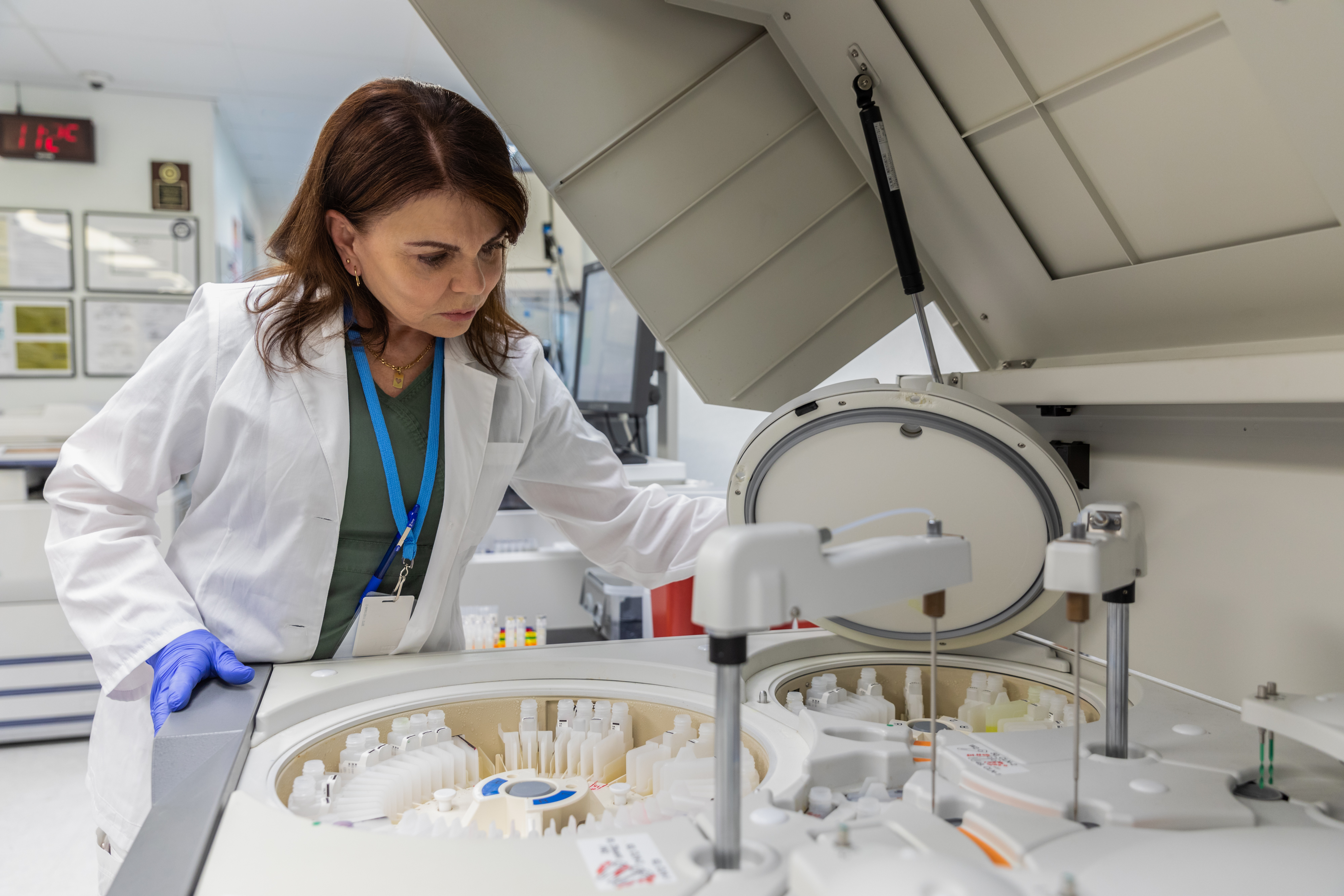
Asma Patel Featured in PharmTech "Forging Ahead in Formulation" Roundtable

Articles & Publications , Dr. Asma Patel

Asma Patel Featured in PharmTech "Forging Ahead in Formulation" Roundtable

In a recent article with Pharm Tech discussing how advancements in technology and a more patient-centric focus are pushing drug formulation development into exciting new directions, Asma Patel, VP, Integrated Development Services at Quotient Sciences, discusses how ML and AI allow for rapid innovation.

“From a discovery perspective, [AI and ML] can continue to fuel complexity in small new chemical and new molecular entities (NCEs/NMEs)." says Dr. Patel.

"Regardless of AI/ML, NCEs/NMEs continue to see an increase in average molecular weights and generation of new classes such as PROTACs [Proteolysis targeting chimeras], both creating solubility challenges for pharmaceutical formulation,” she adds.

 “From a discovery perspective, [AI and ML] can continue to fuel complexity in small new chemical and new molecular entities (NCEs/NMEs)".

Continue reading the full article on Pharm Tech.

Obtaining rapid stability data through ASAPprime®: Q&A with Helen Baker

Modified Release , Dr. Helen Baker ,

Obtaining rapid stability data through ASAPprime®: Q&A with Helen Baker

Summary: Quotient Sciences offers FreeThink Technologies, Inc.’s ASAPprime® software as an add-on service to drug programs to rapidly predict long-term product shelf-life. Dr. Helen Baker, Director of Formulation Design at Quotient Sciences, explains how the ASAPprime® platform accelerates stability data generation for drug products. Dr. Baker discusses how the software works at different stages of the development process and how customers can benefit from adding on analysis with ASAPprime® software to their next drug program with Quotient Sciences. 

Quotient Sciences offers FreeThink Technologies, Inc.’s ASAPprime® software as an add-on service to drug programs to rapidly predict long-term product shelf-life. 

In this Q&A with Helen Baker, Director of Formulation Design, we talk more about how the software works at different stages of the development process and how customers can benefit from adding on analysis with ASAPprime® software to their next drug program with Quotient Sciences. 

What is ASAPprime® software? 

ASAPprime® software is developed by FreeThink Technologies, Inc., and Quotient Sciences have licensed it for use. A dedicated stability lab to support programs and products utilizing this software has been set up at Quotient Sciences to enable us to support clients in rapidly predicting the long term shelf life of products in development.

How does ASAPprime® work? 

ASAPprime® requires that samples are set down at specific temperature and humidity settings, and analyzed at pre-determined time points. Typically, a study looking at a single entity would require 8-19 conditions over a period of about 28 days.  A scouting study may be required before starting to determine the right conditions for the study (very degraded samples cannot be used and it is critical for the modeling to know the isoconversion times.  For shelf-life prediction, it is essential that all conditions are as close to possible at the isoconversion limit).  

The isoconversion point is the time a certain degradation product, total degradants, potency, or other critical parameter is needed to reach the specification limit. This governs shelf life, or the point at which the product is outside of acceptance limits. Interconversion can be considered “the edge of failure” for a particular product. Rather than follow the traditional approach of using fixed time points whilst monitoring the degradant level, the model looks at variable times at each condition required to hit the specification limit. 

At what stage of drug development should the ASAPprime® software be used? 

Customers can choose when and how much use they want to implement ASAP stability, from use-as-needed to supporting product development as a parallel tool used in tandem throughout any given phase. We can leverage the modelling in a new or existing program to help at various points: 

  • In initial stages of development, when there is little or no prior knowledge of stability behavior
  • Prototype assessment or side-by-side comparison of new with existing products
  • In reformulation into new dosage types, validate new API manufacturing processes and identify potential risks in new equipment or material supplier changes
  • In the investigation into failed batches or out of spec trends alongside projects in real-time or retrospectively  
  • In commercialized products, to assess the impact of different packaging configurations, API or excipient changes 

How long will ASAPprime® take to generate stability data for my product? 

Study timelines typically range from as little as 7 and up to 28 days. Studies using the ASAPprime® software will vary depending on: 

  • Scope of assessment (such as comparing formulation prototypes or packaging options)
  • Availability of prior data and intended specification limit (e.g. degradant, potency, slowed dissolution release, total moisture uptake)  
  • Intrinsic drug stability or instability  

Contact us today for more information about how we can help you leverage ASAPprime® software for your drug program. 

Note: Our accelerated stability assessment services utilize the ASAPprime® stability assessment software licensed from FreeThink Technologies, Inc.

Leveraging Simplicity to Enhance Efficiency for First-in-human Clinical Trials

Translational Pharmaceutics® , Martin Wing-King

Leveraging Simplicity to Enhance Efficiency for First-in-human Clinical Trials

Hexagons on blue gradient background

In this article by International Biopharmaceutical Industry, Martin Wing-King, VP and General Manager, Site Head at our Reading facility, explores the demand for accelerated first-in-human trials and outlines how simple formulations can be leveraged for a faster way to progress through early clinical studies.


"Partners that understand the urgency of reaching clinical milestones under tight timelines by leveraging their extensive experience and specialized equipment are critical to the success of FiH trials."


By leveraging simplified formulation approaches such as capsules filled with API, drug developers can significantly expediate their path to the clinic. Strategic collaborations with experienced partners offering integrated drug development and manufacturing services can also streamline the process.

Continue reading the article here.

Credit:

International Biopharmaceutical Industry (IBI), Volume 7, Issue 3, September 2024, pages 14-16. © IBI Journal

Peihua Jiang - PhD, Member, Monell Center

Peihua Jiang

Peihua Jiang

PhD, Member, Monell Center

Guest Expert
About

Quotient Sciences were delighted to have Dr. Jiang and the Monell Center participate as part of our recent Garnet Valley, PA open house event. 

To request a tour of our facility or get information about our capabilities in pediatric drug development or drug product manufacturing from our Philadelphia sites, please contact us.

Dr. Andy Lewis Joins Advisory Board of RSC Pharmaceutics Journal

News & Announcements , Dr. Andrew Lewis

Dr. Andy Lewis Joins Advisory Board of RSC Pharmaceutics Journal

Dr. Andrew Lewis

Quotient Sciences is pleased to announce that its Chief Scientific Officer, Dr. Andrew (Andy) Lewis, has joined the scientific advisory board for a new journal by the Royal Society of Chemistry – RSC Pharmaceutics.

In this role, Dr. Lewis will contribute to the success of the journal by advising on scientific topics of interest and other duties to promote the success of the journal. He will have the opportunity to contribute his own work to the journal, while also promoting its contents and encouraging new and existing readers to read and publish in the journal. Dr. Lewis will provide feedback and advise on the development of the journal to ensure it is positioned at the cutting edge of pharmaceutical science. 

Earlier this year, Dr. Lewis was appointed to the role of Chief Scientific Officer for the company. He was also recognized by the Controlled Release Society (CRS) as a recipient of the 2024 Distinguished Service Award, which is given to CRS members in cases where an exceptional member fits the criteria for having given sustained and outstanding service, and inducted into the prestigious College of Fellows of the CRS for his significant contributions to the field of controlled release.

Andy has over 20 years of experience working in the pharmaceutical and biotech industry. His work has focused on advanced drug delivery technologies, particularly protein and peptide drug delivery, solubility enhancement, modified and controlled release

"I look forward to joining the Advisory Board for RSC Pharmaceutics journal and supporting its development into a world-leading journal for pharmaceutical scientists. As a Gold Open Access journal, researchers publishing in it can be confident of a wide dissemination of their work to help build their reputation." – Dr. Andrew (Andy) Lewis

Quotient Sciences and Vasa Therapeutics Announce Dosing of First Subjects with VS-041, a Novel Heart Failure Treatment

News & Announcements

Quotient Sciences and Vasa Therapeutics Announce Dosing of First Subjects with VS-041, a Novel Heart Failure Treatment

Hexagons on blue gradient background with Quotient Sciences logo

NOTTINGHAM, UK, ENCINITAS, CA; September 10, 2024 – VS-041, a novel and potentially life-saving treatment for heart failure, developed by Vasa Therapeutics, a San Diego-based biotechnology company, has reached a major clinical milestone with the first human subjects dosed at Quotient Sciences’ Nottingham, UK clinic.

In this phase, Quotient Sciences’ Translational Pharmaceutics® platform was selected to accelerate the drug into first-in-human (FIH) trials. Quotient Sciences’ on-demand manufacture of an immediate release (IR) tablet allowed for dosing and generation of clinical data in a shortened time.

The clinical program and recruitment of healthy volunteers to take part in the Nottingham, UK-based Phase I trial was also performed by Quotient Sciences. 

Heart failure and HFpEF: Addressing a global health challenge

VS-041 is in development as the first personalized medicine-based treatment of HFpEF. 

Heart failure is a major global health malady affecting 64 million people worldwide, placing a huge economic and social burden on health systems costing an estimated $108 billion per annum. 

Heart failure with preserved ejection fraction (HFpEF), or diastolic heart failure, is a life-threatening form of heart failure where the heart cannot properly fill with blood because the left ventricle has stiffened over time and cannot relax. It is estimated that more than half of heart failure patients develop HFpEF.

VS-041 has shown a robust reduction of cardiac fibrosis in preclinical HFpEF models by inhibiting the release of signalling collagen fragments, such as endotrophin (PRO-C6), that mediate fibroinflammatory responses and are biomarkers of worse outcomes in HFpEF patients. These data have been accepted for presentation at the American Heart Association’s 2024 Scientific Sessions conference in November.

Accelerating drug development with Translational Pharmaceutics®

Quotient Sciences’ Translational Pharmaceutics® platform optimizes the drug development process by integrating formulation development, on-demand drug product manufacturing, and healthy volunteer clinical testing within a single organization.

Using Translational Pharmaceutics®, Quotient Sciences has incorporated flexibility to manufacture tablets for the VS-041 program within a dosing bracket, with upper and lower dose extremes included within the regulatory submission. Doses can be selected based on emerging clinical data from each study period of the single ascending dose, allowing for greater speed while minimizing API usage.

Dr. Vanessa Zaan, Executive Drug Development Consultant at Quotient Sciences, said, “In drug development, particularly for small and emerging biotech companies, we know that speed matters. We are working with Vasa Therapeutics to obtain first-in-human data as soon as possible, but never at the expense of poor-quality science.” 

Dr. Artur Plonowski, CEO and Co-Founder of Vasa Therapeutics added, “We are extremely satisfied to use Quotient Sciences’ Translational Pharmaceutics® platform that seamlessly integrates custom manufacturing, regulatory, and clinical functions, allowing us to carry out our FIH study of VS-041 in a time- and resource-efficient manner. We are very enthusiastic about the promise of VS-041 as the first personalized medicine-based treatment for HFpEF and are working diligently with Quotient Sciences to rapidly bring this option to HFpEF patients.” 

Now entering its 17th year, Translational Pharmaceutics® has accelerated more than 500 molecules through key development milestones for global pharma and biotech companies manufacturing small molecule therapeutics.

About Quotient Sciences

Quotient Sciences is a drug development and manufacturing accelerator providing integrated programs and tailored services across the entire development pathway. Cutting through silos across a range of drug development capabilities, we save precious time and money in getting drugs to patients. Everything we do for our customers is driven by an unswerving belief that ideas need to become solutions, and molecules need to become cures, fast, because humanity needs novel therapeutic solutions, fast. Quotient Sciences has been recognized as a multi-year winner of the CRO Leadership Awards in 2021, 2022, and 2024 and of the CDMO Leadership Awards in 2023. For more information, visit quotientsciences.com.

Quotient Sciences media contact:
Rachael Heath
[email protected] 

About Vasa Therapeutics

Vasa is a privately held biopharmaceutical company developing therapeutics that target the pathophysiology of cardiovascular aging. In addition to VS-041, Vasa programs include a portfolio of long-acting apelin peptide analogues for treatment of obesity patients at risk for skeletal muscle loss or cardiovascular disease. The company is also developing a best-in-class inhibitor of CamKIId for heart failure and life-threatening arrhythmias. For more information, visit www.vasatherapeutics.com.

Vasa Therapeutics media contact:
[email protected]

References

  1. Savarese G, Becher PM, Lund LH, Seferovic P, Rosano GMC, Coats AJS. Global burden of heart 
    failure: a comprehensive and updated review of epidemiology. Cardiovasc Res. 2023 Jan 
    18;118(17):3272-3287. doi: 10.1093/cvr/cvac013. Erratum in: Cardiovasc Res. 2023 Jun 
    13;119(6):1453. PMID: 35150240.
  2. Cook C, Cole G, Asaria P, Jabbour R, Francis DP. The annual global economic burden of heart 
    failure. Int J Cardiol. 2014 Feb 15;171(3):368-76. doi: 10.1016/j.ijcard.2013.12.028. Epub 
    2013 Dec 22. PMID: 24398230.

SOURCE: Quotient Sciences Global News


How Can Drug Developers Overcome API Synthesis Challenges in Drug Development?

Drug Substance , Dr. Richard Castledine

How Can Drug Developers Overcome API Synthesis Challenges in Drug Development?

Summary: Dr. Richard Castledine, Head of Operations - Alnwick, UK at Arcinova, A Quotient Sciences Company, outlines how drug developers can overcome API synthesis challenges by focusing on early route design, solid-state analysis, and scalable, cost-effective processes. He emphasizes the importance of selecting safe, sustainable synthetic pathways and using data-driven strategies to mitigate downstream risks. 

Developing an active pharmaceutical ingredient (API) involves balancing quality and speed during the transition from candidate selection to first-in-human (FIH) clinical trials. 

Creating a safe, cost-efficient, and regulatory-compliant API production method is crucial to avoid costly repeat activities or bridging studies later in the development process. Analytical techniques, including solid state analysis, are essential for understanding how changes in the synthetic process influence API properties, especially for small-molecule oral solid-dose drugs. 

In this article, Dr. Richard Castledine shares some of the considerations that drug developers and their partners face in drug substance API synthesis.  

What is an “API” in drug manufacturing?  

An Active Pharmaceutical Ingredient (API) is the substance which offers a therapeutic effect in a pharmaceutical product, and is responsible for the drug’s pharmacological activity within the body. It is combined with excipients which aid in the delivery of the API but do not themselves have any pharmacological activity.

What is process route design in API manufacturing?  

Process route design involves finding and selecting a synthetic pathway to the API which has favorable characteristics for large scale current Good Manufacturing Practice (cGMP) production.  Modification or redesign of the process is often required to prepare larger batch sizes and ensure that API can be produced in a compliant and efficient manner. 

What factors must be considered in optimizing API?  

A targeted approach is best for obtaining insight into an APIs physical and chemical properties, as well as the potential limitations that may occur in the manufacturing phase. Deploying data-driven API development strategies early in a program can mitigate downstream development risks. 

Choosing a CRDMO development partner with extensive expertise in developing and analyzing API is crucial, along with using a holistic approach to process development that avoids delays and costs while facilitating efficient API scale-up.  

To read more on this topic, visit Arcinova's blog.

Understanding the Complexity of Psychedelic Drug Development: Key Takeaways and Considerations for Drug Developers

Drug Substance , Dr. Richard Castledine , 14C Radiolabeling

Understanding the Complexity of Psychedelic Drug Development: Key Takeaways and Considerations for Drug Developers

quotient_0938

Summary: Dr. Richard Castledine, Head of Operations - Alnwick, UK at Arcinova, A Quotient Sciences Company, examines the complexities of psychedelic drug development. He highlights the resurgence of interest in psychedelics for treating mental health conditions; the challenges posed by synthesis, safety, and regulatory compliance; and the types of compounds that Arcinova, A Quotient Sciences Company and Quotient Sciences are experienced in handling at their facilities.

The evolving landscape of psychedelic drug development presents exciting opportunities and significant challenges, including crucial safety protocols, legal and regulatory requirements. Read key takeaways below from one of our experts, Dr. Richard Castledine, Head of Operations - Alnwick, UK at Arcinova, A Quotient Sciences Company.

To read more about this topic, visit Arcinova's blog.

What are psychedelic compounds? 

Psychedelics are a class of psychoactive substances known for their ability to alter perception, mood, and cognitive processes. The term "psychedelics" encompasses a variety of compounds. 

Key compound classes that we have focused on include Tryptamines, Ketamine and its derivatives, and Cannabinoids. Each presents unique challenges in terms of synthesis, scale-up, and regulatory compliance. 

How current is the research into psychedelic compounds? Is this a new development? 

Research conducted as early as the 1950s and 1960s recognized the potential for psychedelics in treating psychiatric disorders. However, the Controlled Substances Act of 1970 in the US effectively banned their use. This restricted ongoing research and required companies to possess specific licenses for the handling and use of these materials.  

In recent years, the medicinal applications of psychedelics are once again under the spotlight. In 2019, the FDA approved intranasal esketamine for treatment-resistant depression. Recent studies have underscored the potential of psychedelics like psilocybin and ketamine derivatives in treating a range of conditions by targeting brain areas that current treatments do not.

What are key considerations in the safe handling of psychedelic compounds?

Despite their typically low acute toxicity, psychedelics can have pronounced effects even at very low doses. These risks include altered perception and impaired decision-making giving rise to the potential for accidents or injuries in the lab.

For these reasons, robust containment measures should be put into place, and appropriate local and regional guidelines followed to reduce legal and regulatory risks. These factors are essential to ensure the safety of employees, prevent cross-contamination within the facility, and reduce business risks. 

Expertise in handling such substances is paramount, which means meticulous safety protocols and rigorous quality control measures must be applied at every stage. These challenges must be overcome while maintaining the additional controls and working practices associated with the containment of psychedelic compounds.  

Addressing the 14C drug substance synthesis of psychedelic compounds 

The synthesis of 14C-labeled psychoactive compounds enables the study of how these drugs are metabolized and distributed through human ADME studies, providing essential details about their pharmacokinetic profile.

The design of a radiolabeled synthesis also includes considerations such as strategically placing the radioactive label within the center of molecule. This avoids the potential for rapid metabolic cleavage if the label is placed elsewhere, such as on a side chain. 

The preparation of 14C labelled compounds requires specialized expertise in radiochemistry and stringent safety protocols to handle radioactive materials effectively. Balancing these factors is essential not only for scientific accuracy and safety but also for meeting regulatory requirements. 

To overcome these challenges, partnering with a specialized contract development manufacturing organization capable of providing support at every step can ensure compliance and efficiency.

To read more about this topic, visit Arcinova's blog.

How the Increasing Interest in Oral Peptides is Opening New Horizons in GLP-1 Space

Articles & Publications , Dr. Andrew Lewis , GLP-1 Therapeutics , Oral Peptides

How the Increasing Interest in Oral Peptides is Opening New Horizons in GLP-1 Space

Hexagons on blue gradient background

In this article by Pharma Focus, Dr. Andrew Lewis, the Chief Scientific Officer at Quotient Sciences discusses the efficiency of oral peptides and their attractiveness as a drug candidate.


"Continued advancements in drug delivery technologies will be crucial for improving oral peptides’ bioavailability, convenience and efficacy"

The increased availability of oral peptides promising development opens new horizons in GLP-1 treatment for not only obesity and diabetes but to related conditions, such as chronic kidney disease and end-stage renal disease.

Continue reading the article on Pharma Focus

Credit:

Pharmafocus, Volume 26 Issue 7, September 2024, pages 22-23. © Samedan Ltd

Exploring GLP-1 Agonists: How they work and what the future holds for this promising treatment

Translational Pharmaceutics , Clinical Pharmacology , Peptides , Modified Release , Formulation Development , Dr. Andrew Lewis , Dr. Stuart Mair

Exploring GLP-1 Agonists: How they work and what the future holds for this promising treatment

Summary: We explore the growth of GLP-1 agonists, what they are, how they work and their benefits, and how Quotient Sciences are helping companies tackle challenges in the development of these therapies, including oral formulations. GLP-1 agonists, originally developed for Type 2 diabetes management, have shown promise in treating obesity and other metabolic disorders. While traditionally administered via subcutaneous injection, efforts are underway to develop oral formulations to improve patient compliance. 

The surge in demand for GLP-1 agonist therapies will boost the biotech sector, driving innovation and growth in the years to come. 

In the United States alone, it is projected that the number of GLP-1 users will hit 30 million by 2030, or approximately 9% of the U.S. population, according to data collected by J.P. Morgan Research. 1 This rise in demand reflects the growing global challenge of managing chronic metabolic conditions such as diabetes and obesity.

The Centers for Disease Control and Prevention (CDC) estimates that the prevalence of obesity in the U.S. has grown from 30.5% in 1999–2000 to 41.9% in 2017–20202. On a global scale, obesity has more than tripled since 1975.3  

The need for more effective treatments that improve patient outcomes and adherence is growing. Ten GLP-1 agonist drugs, including semaglutide (RYBELSUS®, Ozempic® and Wegovy®) and tirzepatide (Mounjaro® and Zepbound®) have already received FDA approval for managing Type 2 diabetes and weight loss. In an increasingly competitive space, companies are looking for alternative and more patient-friendly methods to administer these therapies other than by subcutaneous (SC) injection.  

In this article, we explore the growth of GLP-1 agonists, what they are, how they work and their benefits, and how Quotient Sciences are helping companies tackle challenges in the development of these therapies, including oral formulations. For more insight, be sure to sign up for email news and updates from Quotient Sciences.

What are GLP-1 agonists and how do they work? 

GLP-1 (glucagon-like peptide-1) and GIP (gastric inhibitory peptide) are key incretin hormones involved in regulating glucose metabolism. Both are produced in the gastrointestinal tract in response to food intake, specifically glucose and fats. 

When a person consumes food, GLP-1 is released from the intestines into the bloodstream, where it performs several key functions. It signals the pancreas to produce insulin, which helps lower blood sugar levels, and simultaneously tells the liver to reduce glucagon secretion, a hormone that typically raises blood sugar levels. The incretin analogues mimic the action of the naturally occurring hormones, but have been designed to be more potent and longer circulating.

Another function of GLP-1 is its ability to slow gastric emptying. By delaying the passage of food from the stomach to the small intestine, GLP-1 ensures that glucose is released into the bloodstream more gradually, preventing sharp spikes in blood sugar levels. It is also known that GLP-1 has a direct effect on reducing appetite via receptors in the brain. 

What conditions do GLP-1 agonists treat?

In recent years, much attention has been placed on the use of GLP-1 agonists as a treatment for obesity. Research from Harvard Medical School indicates that newer generations of GLP-1 agonists can achieve an average weight loss of 15–25%, significantly surpassing the efficacy of earlier treatments.

As research in this area continues, the industry is seeing that GLP-1s can offer significant benefits for patients, beyond blood sugar control and weight loss. 

For example, large-scale cardiovascular outcome trials (CVOTs) have demonstrated that GLP-1 receptor agonists (GLP-1RAs) can significantly reduce the incidence of major adverse cardiovascular events, including heart attack and stroke. GLP-1 drugs have also shown recent potential in protecting kidney function, as evidenced by their ability to reduce albuminuria and slow the decline of the estimated glomerular filtration rate (eGFR), a critical indicator of kidney health.

Despite benefits, like all drugs, GLP-1 agonists are not without side effects, such as nausea and vomiting, which tend to subside over time.3

Are oral solid dose formulations the future of GLP-1 therapies?  

Typically, most approved peptide-based medicines are administered via injection, which may be a drawback for some patients. Maximizing systemic absorption and achieving therapeutic drug levels of a peptide following oral administration is a challenge for drug developers due to degradation in the digestive tract and low, and often variable, absorption. Addressing these problems is crucial as research progresses from preclinical to clinical stages.  

Following decades of research in both academia and industry, innovations in peptide chemistry and drug delivery are enabling more peptides to be optimized for oral administration, making it easier for patients to start and continue their treatment. In addition a number of small molecular weight compounds targeting the GLP-1 receptor are in development and the availability of oral alternatives is likely to significantly change the therapeutic landscape.

Quotient Sciences' capabilities in GLP-1 development 

As the scope of GLP-1 agonists continues to expand, their therapeutic potential is evident, opening new avenues for pharma and biotech companies and their outsourcing partners to explore. 

In clinical trials, the effects of combining GLP-1 agonists with other compounds to act synergistically is being investigated, presenting an exciting opportunity for innovation, enhanced efficacy, and broadened therapeutic applications. At Quotient Sciences, we can help make this process smoother with our integrated clinical pharmacology programs. From early drug development to Phase I trials, we provide the insights and support you need to make critical decisions faster and more effectively. 

Quotient Sciences' drug product formulation development, oral peptides and oral drug delivery expertise including extensive oral peptide experience can help your company harness the full potential of your molecule. 

References:

  1. https://jpmorgan.com/insights/global-research/current-events/obesity-drugs
  2. https://ncbi.nlm.nih.gov/books/NBK551568
  3. https://mayoclinic.org/diseases-conditions/type-2-diabetes/expert-answers/byetta/faq-20057955#:~:text=Doctors%20do%20know%20that%20GLP,longer%2C%20so%20you%20eat%20less
  4. https://health.harvard.edu/staying-healthy/glp-1-diabetes-and-weight-loss-drug-side-effects-ozempic-face-and-more 

Ozempic®, Wegovy®, and RYBELSUS® are registered trademarks of Novo Nordisk A/S.

Mounjaro® and Zepbound® are registered trademarks of Eli Lilly and Company. 

Subscribe to