Jennifer Lattimer - Executive Director & Head of Global Inside Sales Management

Jennifer Lattimer

Jennifer Lattimer

Executive Director & Head of Global Inside Sales Management

Business Development
About

Jennifer Lattimer is a motivated, outgoing and experienced Sales Executive with a demonstrated history of global business closure, B2B selling, cold calling and leadership in the CDMO/CRO industry. 

Her professional experience began in highly regulated, GMP laboratories and aided greatly in my transition into the commercial segment of the business. She is skilled in lead generation and prospecting, as well as building and growing client relationships. Knowledgeable in project oversight, onboarding and have an eye for process improvement and efficiency.

Jeniffer holds a bachelor's degree in biology from University of Louisiana Monroe, as well as Master of Business Administration from University of Louisiana Monroe.

AAPS PharmSci 360 2024

Hexagons on blue gradient background

AAPS PharmSci 360 2024

Salt Lake City, United States | 21 October 2024 - 23 October 2024
Overview

Join us for AAPS 2024 in Salt Lake City

Quotient Sciences drug development experts will be back for another great year at AAPS PharmSci 360 in Salt Lake City, UT in October. Join us at booth #2419 to discuss your drug development needs and be sure to join us for our various presentation within the AAPS PharmSci conference.    


Attend our conference presentations

Rapid Fire Talk: "Design Space Approach to Optimize Formulation Based on Clinical Data"

Date: Monday October 21, 2024  
Time: 3:00 PM - 3:15 PM 
Presented by: Dr. Vanessa Zann
Room: 255 EF, Salt Palace Convention Center 

Main Stage: "Your hired! Selecting the right pre-IND compound"

Date: Monday October 21, 2024  
Time: 9:00 AM - 10:00 AM
Presented by:
Darren Matthews, Associate Science Director, UK Small Molecule Drug Discovery at Charles River Laboratories
Eleanor Row, VP, Global Commercial Drug Substance at Quotient Sciences
Room: Stage 3, Exhibit Hall 


See our poster presentation

Predicting Belumosudil Drug-Drug Interactions Using a Physiologically Based Pharmacokinetic Model

Presented by: Kevser Sevim, Senior Modelling and Simulation Research Fellow


Join us for our seminar 

RapidFACT® Overcoming the Poor Predictability of Preclinical Models to Accelerate Formulation Optimisation.

Tuesday, October 22

Breakfast & registration beginning at 7:30 AM

Join us during AAPS for our breakfast seminar at the Hyatt on October 22nd.  Vanessa Zann, PhD, Executive Drug Development Consultant will share how Translational Pharmaceutics platform integrates formulation development, on-demand GMP manufacture and clinical testing to accelerate dug development programs.  

Click here to read more and register.  

Advanced registration is required, and spaces are limited!  

Register now
Location
Salt Palace Convention Center
90 S W Temple St
Salt Lake City, United States

Optimizing API Synthesis: Balancing Quality, Speed, and Safety in Pharmaceutical Development

Articles & Publications , Richard Castledine

Optimizing API Synthesis: Balancing Quality, Speed, and Safety in Pharmaceutical Development

Hexagons on blue gradient background

In this article by the Medicine Maker, Richard Castledine discusses how to identify a safe, cost-efficient, and sustainable route to scalable API synthesis.

The article explores the complexities of developing Active Pharmaceutical Ingredients (APIs) and offers strategies to optimize their synthesis. Balancing the need for quality with the speed of development is crucial during the transition from candidate selection to first-in-human clinical trials. Deploying data-driven API development strategies early in a drug program can mitigate downstream development risks.

Continue reading the article on Medicine Maker.

On-Demand: Development of Orally Delivered GLP-1 Therapeutics …From Diabetes to Obesity and Beyond

On-Demand Webinars , GLP1 , Oral Peptides , Dr. Andy Lewis , Dr. Stuart Mair

On-Demand: Development of Orally Delivered GLP-1 Therapeutics …From Diabetes to Obesity and Beyond

18 July 2024
Overview

Dr. Andrew Lewis, Chief Scientific Officer, and Dr. Stuart Mair, Chief Medical Officer explore the latest developments in orally delivered GLP-1 agonists and take a look at potential future innovations. 

Our expert speakers examine obesity as a global health issue, discussing its profound impact on healthcare; guide us through the discovery of GLP-1 agonists and the potential for these therapeutics outside diabetes; and explore the challenges and potential solutions for orally-delivered GLP-1 products. 

You'll learn about:

  • Drivers for oral incretin analogues and the CMC and clinical challenges in their development
  • How Quotient Sciences' Translational Pharmaceutics® platform has enabled the accelerated development of both orally delivered peptides and small molecules in the incretin family
  • Future innovation in GLP-1 agonists and oral peptides

Watch our on-demand recording and stay at the forefront of treatment advancements in this quickly evolving category.

Watch
Date
18 July 2024

How Translational Pharmaceutics® Supports Drug Product Optimization (Video)

Translational Pharmaceutics , Drug Product Optimization , Dr. Aruna Railkar

How Translational Pharmaceutics® Supports Drug Product Optimization (Video)

Summary: Dr. Aruna Railkar, Senior Drug Development Consultant, explains how Translational Pharmaceutics® supports drug product optimization by integrating formulation development, real-time manufacturing, and clinical testing. She highlights how this adaptive approach accelerates decision-making, reduces risk, and improves efficiency across development stages.  

It is well known that traditional drug product optimization processes take significant time.

Great emphasis is placed on laboratory and preclinical assessments to identify human formulations. Even though data do not adequately capture the performance of the dosage form in vivo, and the translation from the preclinical species to humans is suboptimal, drug developers often invest a significant amount of time and resources at this stage.

There is a critical need to rapidly enter clinical testing of new chemical entities (NCEs) in humans, assess their performance, and optimize as needed.

What is Translational Pharmaceutics®?

Translational Pharmaceutics® is an integrated approach to drug development. It is an innovative platform proven to shorten development timelines by 12 months or more. First applied in 2008, the platform uses clinical data to improve decision-making and halve development timelines.

How is Translational Pharmaceutics® used?

Quotient Sciences Translational Pharmaceutics® is a powerful solution to address the challenges of drug product optimization, in particular, which is one main application. 

In a recent client example, we supported the development of an extended-release drug product for overdose protection of a prescription drug. It was a complex program using a prodrug that requires activation by trypsin in the gastrointestinal tract and an inhibitor that requires delivery over an extended duration due to its short duration of action. We were able to help the customer adjust the release rate and dose for the immediate and extended-release beads across a two-part clinical study to support our client in meeting their goals. This was done using the concept of a "design space" to test ranges of doses and other critical to performance parameters in a clinical program. 

Video: Applying Translational Pharmaceutics® to drug product optimization

Translational Pharmaceutics® has been successfully applied to over 300 drug product optimization programs, delivering significant benefits in areas including solubility enhancement and modified release drug development activities. 

In this video, watch Aruna Railkar, Senior Drug Development Consultant, speak on this topic at the 2024 Controlled & Modified Drug Release Summit in New Jersey about how we apply Translational Pharmaceutics® to drug product optimization.

Want to discuss your next program and how we might be able to help? Contact us today.

Using Clinical Data to Drive Effective Formulation Optimization

Translational Pharmaceutics®

Using Clinical Data to Drive Effective Formulation Optimization

In this feature with Manufacturing Chemist, John McDermott, Vice President of Scientific Consulting, addresses challenges within the industry and discusses how our Translational Pharmaceutics® platform can offer numerous benefits.

Conventional approaches to develop and optimize formulations are suboptimal and require extensive pharmaceutical development activities to be undertaken prior to clinical evaluation and performance validation.

At the root of this challenge is a vertically integrated structure with ‘make’ functions separated from ‘test’ functions.

Formulation development under the current industry structure typically comprises the identification of formulation prototypes, which are then screened in preclinical species to select candidates for clinical assessment. Manufacturing processes for these candidates must then be scaled-up to generate the product to support extensive stability studies that drive regulatory submissions, with the remaining material packed, labelled and shipped to a clinical site for evaluation. This process can take 12–18 months to complete and requires significant investment before the product is known to meet the drug delivery need.

Translational Pharmaceutics® has enabled a reconfiguration of conventional formulation development and optimization processes, addressing gaps in observed human performance, by proceeding directly to clinic without conducting poorly predictive preclinical pharmacokinetic investigations. This data-driven, streamlined formulation development approach — termed RapidFACT — allows drug products to be screened iteratively in human subjects, dramatically increasing the accuracy of formulation evaluation and selection.

Significant benefits can be derived from adopting the Translational Pharmaceutics® approach of horizontal GMP manufacturing and clinical testing integration. Efficiency in early development shortens timelines, reduces costs and improves flexibility by being able to manufacture drug products in real-time, allowing the development team to evaluate and optimize new formulations in the clinic.

Reductions in development time are enabled, with the formulation team able to capitalize on clinical data emerging from as early as 4 months into the program. An additional key benefit is greatly reduced API consumption, as only the drug products needed to support the immediate dosing period are manufactured (compared with the need for extensive stability studies to allow formulations to be assessed clinically, which require larger batches).

To date, more than 100 programs have been completed across a wide range of applications. Solubility enhancement has been studied using all of the major techniques, including salt form and particle size changes, solubilization strategies, lipidic formulations and spray-dried amorphous formulations. Modified release programs have been conducted to optimize sustained release, delayed release and gastroretentive technologies, as both tablet and multiparticulate systems. In addition, non-oral drug delivery has been studied, including inhaled, transdermal and ocular drug products.

Combined, the benefits of a Translational Pharmaceutics approach is allowing industry to reconfigure development programs and improve R&D efficiency and productivity.

To read the full article, visit the Manufacturing Chemist site here.

Russell Scammell - Senior Director, Small Molecule Drug Discovery at Charles River

Russell Scammell

Russell Scammell

Senior Director, Small Molecule Drug Discovery at Charles River

Guest Expert
About

Russell Scammell is currently a Senior Director within small molecule drug discovery at Charles River. 

He has worked in the pharmaceutical industry for over 35 years at all stages of research and development where he has led the Pharmaceutics, Formulation, Chemistry and Analytical sciences groups at Aventis, Argenta Discovery and Charles River. Russell joined Charles River in 2014 and his primary role has been providing industry leading delivery of small molecule drug discovery pharmaceutical sciences and preclinical development expertise.

Interview with Thierry Van Nieuwenhove: On Quotient Sciences' Growth and Role in Accelerating Drug Development

Thierry Van Nieuwenhove , Translational Pharmaceutics , Integrated Programs , Drug Product , Clinical Pharmacology

Interview with Thierry Van Nieuwenhove: On Quotient Sciences' Growth and Role in Accelerating Drug Development

Summary: Thierry Van Nieuwenhove joined as CEO of Quotient Sciences in 2023. Thierry discusses the company's unique approach to accelerating drug development through Translational Pharmaceutics® platform, a platform that integrates CRO and CDMO services that are traditionally provided by siloed vendors, thereby streamlining the drug development process. He highlights Quotient Sciences' commitment to delivering innovative drug development programs and the dedication of its colleagues across the UK, US, and Europe in supporting clients' success. 

Quotient Sciences' growth as a CRDMO and role in accelerating drug development

In this interview with Thierry Van Nieuwenhove, Quotient Sciences' Chief Executive Officer, we talk about the unique factors that set the company apart, the strategic growth plans aimed at enhancing the delivery of innovative drug development programs, and how the dedication of our colleagues across the United Kingdom, United States, and Europe is instrumental in helping our customers accelerate drug development every day.

Since joining Quotient Sciences in October 2023, what have been your impressions of the company so far? 

Thierry Van Nieuwenhove (TVN): It was humbling to see the impact that Quotient Sciences’ Translational Pharmaceutics® platform has delivered for our customers such as Ensysce Biosciences , DayOne Therapeutics, Oxilio, and many others over the past 16 years. The relationships that we have built, both with small biotechs and with large Fortune 100 pharmaceutical companies, have been impressive to see.

Each program we’ve supported has come with its own development story, but all ultimately resulted in expedited delivery of medicines to patients—an important goal that we always keep in mind and share with clients. 

There is not a CDMO or CRO out there today that offers a platform quite like Translational Pharmaceutics®, let alone one proven to remove a year or more from conventional drug development timelines in the way that Translational Pharmaceutics® can when it comes to integrating drug substance, drug product, and clinical testing activities. 

We’ve supported over 500 drug development programs via Translational Pharmaceutics® for a broad range of clients, including many repeat customers. I am proud to be part of a company that is not only delivering drug development in a unique way for our customers but with a track record of impactful time and cost savings that ultimately helps increase the success rate of new medicine approvals. 

Did anything surprise you about the company? 

TVN: Quotient Sciences is known for its reputation of providing deep technical and scientific consultation in the design and manufacture of small-molecule drug products, with proven formulation development expertise. As a company, though, we offer even more than some may realize to make us a more holistic CDMO/CRO outsourcing partner with integrated capabilities.

Capabilities and expertise for drug substance API synthesis and manufacturing from our Alnwick, UK facility, and complimentary services through our partnership with Charles River Laboratories provide early opportunities to partner with customers coming out of candidate and preclinical development. Additionally, we are expanding our preclinical development services this year with new capabilities being added at Nottingham.

From our Miami, FL, and Nottingham, UK facilities, we offer clinical pharmacology services, including the ability to conduct Phase I clinical programs with healthy volunteers and support services for data science and analytics. Downstream, we can scale up drug products for later-stage trials, although we don’t have a hand in conducting those trials directly with patients, and can commercially supply drug products for marketed products.
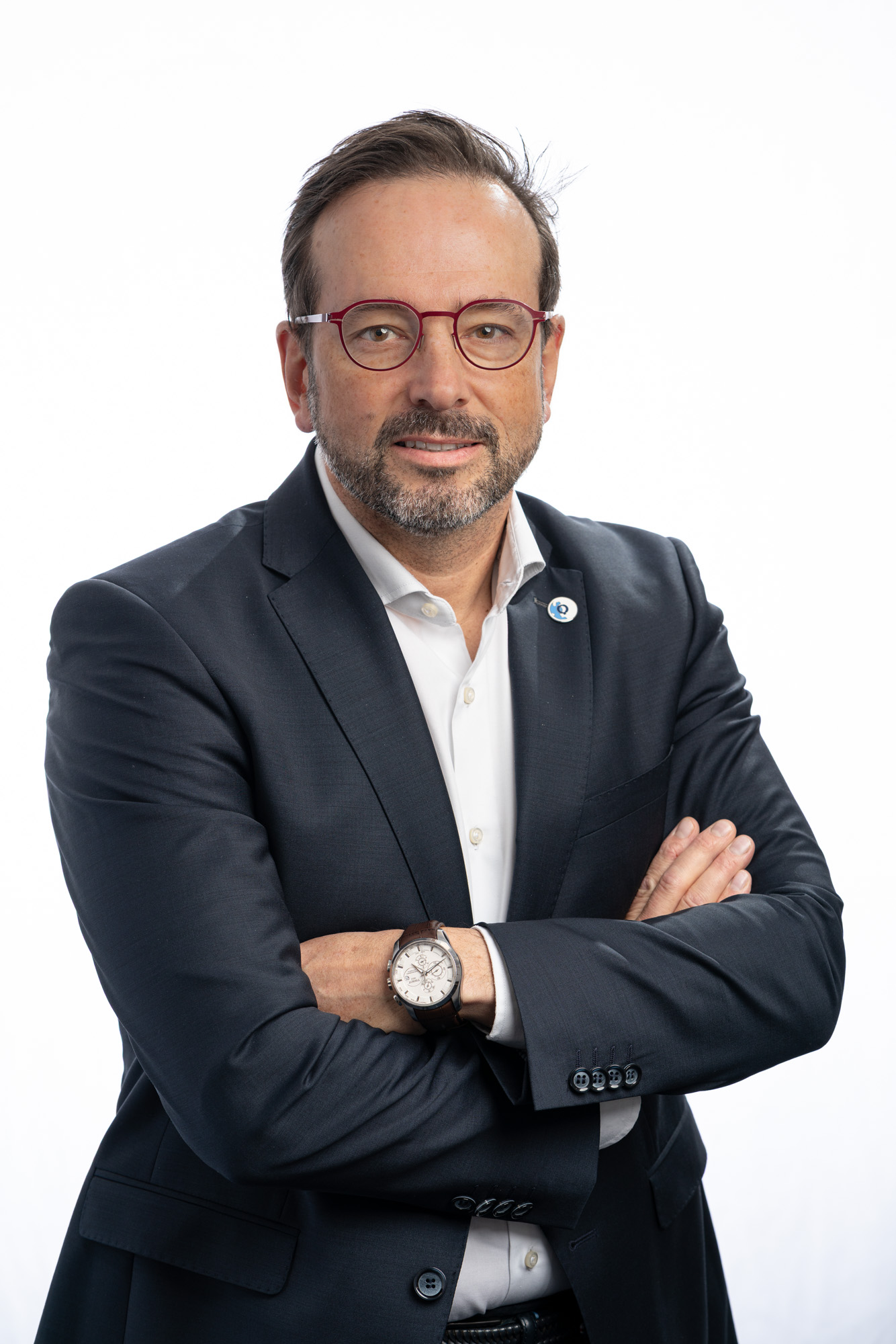
Thierry Van Nieuwenhove

Ultimately, no matter how a customer chooses to work with us and where they work with us, I want our customers to know that the dedication and expertise of our more than 1,300 colleagues will help deliver success.

How does Translational Pharmaceutics® add value in drug development?

TVN: Translational Pharmaceutics® integrates formulation development, on-demand and adaptive GMP manufacturing, healthy volunteer clinical testing and data analysis within a single organization. A unified project management team helps coordinate all activities.

In that sense, Translational Pharmaceutics® transforms the traditional outsourcing model, where a combination of CDMOs and CROs are usually required with handovers at different points throughout a drug program. In doing so, the platform offers significant success rates linked with time and cost efficiencies. 

Translational Pharmaceutics® helps clients access information faster so they can make more informed decisions based on emerging human clinal data, gives flexibility to optimize formulation compositions within a study, and reduces drug substance consumption by up to 85%.

A recent application of Translational Pharmaceutics® was our collaboration with YourChoice Therapeutics, a pioneer of hormone-free family planning products. 

Having established a scale-up-ready synthetic route for the YCT-529 API at our Alnwick, UK facility, our team developed the initial product formulation and the first-in-human (FIH) clinical protocol in parallel. Once approved, this allowed our Nottingham, UK facility to perform on-demand drug product manufacturing for precision dose escalation, removing extensive and costly upfront product manufacturing. 

The YourChoice team also complemented our relationships with UK regulatory bodies, which helped navigate and overcome regulatory hurdles to bring YCT-529 to clinical testing sooner. 

Looking ahead, what are some of Quotient Sciences' top priorities?

TVN: Although 2023 was a difficult year for the entire industry, CDMOs such as Quotient Sciences continued to thrive by providing innovative solutions, a deep understanding of science, and strategic partnership to clients. In 2024, we’re seeing signs of recovery, with some increased biotech industry funding again to support the growing number of new molecules in the development pipelines. 

The expansion of our Translational Pharmaceutics® platform in the US remains one key objective. Many of our customers are based in the United States where we currently have three manufacturing facilities that complement our facilities in the United Kingdom. 

Our Garnet Valley, PA facility develops simple and complex small molecule oral drug products supporting programs from the preclinical stage to clinical proof-of-concept. A nearby facility in Boothwyn, PA offers scale-up to late-phase manufacturing and commercial drug product supply. From there, our clinical pharmacology facility in Miami, FL allows us to conduct first-in-human Phase I clinical trials on-site with healthy volunteers and features a compounding pharmacy. 

Applying Translational Pharmaceutics® under US regulations complements capabilities already offered from our Nottingham, UK facility, so US-based clients have flexibility in where they choose to work to realize the time- and cost-saving benefits that Translational Pharmaceutics® delivers.

Ultimately, no matter how a customer chooses to work with us and where they work with us, I want our customers to know that the dedication and expertise of our more than 1,100 colleagues will help deliver success.
Accelerated pathways and CMC challenges in rare disease drug development

Drug Product , Integrated Programs , Dr. Asma Patel , Rare Diseases , Orphan Drugs

Accelerated pathways and CMC challenges in rare disease drug development

Summary: Dr. Asma Patel, Vice President of Integrated Development Services at Quotient Sciences, explores how accelerated regulatory pathways support rare disease drug development. While these fast-track routes help bring treatments to patients faster, they also introduce complex CMC challenges. Dr. Patel outlines strategies to manage risks, including early planning, flexible development, and integrated approaches. 

The development of therapies for rare diseases has been significantly aided by fast-tracked regulatory approval processes. 

Accelerated pathways, established by global authorities, aim to bring much-needed treatments to market more quickly. While fast tracking processes offer numerous benefits, they also introduce specific CMC risks that must be carefully managed. 

In our latest webinar, we outline the challenges CMC face when developing these often life-saving treatments and discuss strategies to mitigate CMC risks

Rare diseases globally: By the numbers

Approximately 7,000 rare diseases affect between 25 and 30 million Americans according to data from the National Institutes of Health (NIH) In the EU, the European Commission estimates that up to 36 million people live with a rare disease.

Of the 7,000 known rare diseases globally, about 95 percent have no treatment. Many of these conditions are under-researched, resulting in few or no effective treatments available.

How can drug developers address unmet needs for patients? 

The smaller patient populations and associated market size for rare diseases mean that the potential financial return on investment is lower compared to treatments for more common conditions. This economic reality often makes pharmaceutical companies hesitant to invest heavily in developing new treatments for rare diseases. 

Recognizing this, global authorities have introduced additional regulations to encourage R&D investment in this area of high unmet clinical need. 

What are incentives for rare disease drug development in the US and EU?

Key regulatory incentives have been established to promote the development of orphan drugs, such as the Orphan Drug Act of 1983 in the US and the Orphan Regulation of 1999 in the EU. 

In the US, one of the primary incentives is market exclusivity, which grants companies exclusive marketing rights for their orphan drug for a period of 7 to 10 years. Additionally, expedited review timelines, tax credits for clinical research expenses, and waived prescription drug user fees help reduce costs and protect investments, making it more feasible for pharmaceutical companies to develop treatments for rare diseases. 

Accelerated pathways are also available in the US, offered by the US Food and Drug Administration to speed up the availability of these medicines to patients. Similar programs exist in the EU as well as in the UK.

What is a traditional drug development timeline vs. an accelerated pathway?

For patients suffering from serious diseases and unmet clinical needs, the typical drug development timelines of up to 15 years can seem excruciatingly long. As a result, global health authorities have developed multiple pathways to expedite drug development and review times. The expedited approval is granted based on an agency finding that the drug is safe and effective for its intended use – exactly the same approval standard as that used for the traditional drug development pathway. 

Accelerated approval simply allows the FDA to evaluate drugs based on surrogate endpoints or intermediate clinical outcomes that predict clinical benefit. Because these endpoints are expected to predict clinical benefit, the agency can calculate the risk/benefit that an accelerated approval pathway’s benefits outweigh its risks, which are then rigorously confirmed in post-marketing confirmatory studies conducted after accelerated approval.

In the US, several pathways are available to expedite the development and approval of these treatments. For instance, the Accelerated Approval pathway targets new medications that address unmet clinical needs. The Breakthrough Therapy designation is granted to drugs that demonstrate significant improvement over existing therapies. Additionally, Priority Review can be sought to reduce the review timeline to six months for therapies where no adequate treatments currently exist. 

What challenges does CMC face, and how can CMC best manage these risks?

Expedited pathways can significantly reduce development timelines from the typical 10-15 years to as few as 3-5 years, but the accelerated pace ultimately introduces several pressures on CMC teams. 

Traditional manufacturing and supply chain models already do not align with the small-scale, specialized needs of rare disease therapies, but other considerations that add to the challenge are: 

  • Reduced commercial potential and limited research and development budgets because of smaller patient populations
  • Difficulty developing stable and effective formulations for rare diseases due to their unique and specialized nature
  • Challenges recruiting participants for clinical trials due to small and dispersed rare disease patient populations

The accelerated submission pathways for orphan drugs offer a vital opportunity to bring much-needed therapies to patients with rare diseases more quickly. However, the associated risks require careful management through robust CMC strategies.

How to choose a rare disease CDMO

Quotient Sciences specialize in addressing unmet needs in rare disease treatment. In the last five years alone, we have supported more than 50 development programs for rare diseases with a range of CRDMO services.

One area that makes Quotient Sciences an ideal CDMO partner for rare disease programs is our willingness to be adaptive, with capabilities for clinical up to commercial drug product manufacturing. We have capabilities to manufacture smaller scale commercial batches that are ideal for rare disease and pediatric therapies. 

Watch our recent webinar to learn how we help identify creative development strategies for accelerated submission pathways for rare disease programs from early clinical studies through commercial launch.

How to leverage ASAPprime® as part of your next drug program for rapid stability data

, Dr. Helen Baker , Formulation Development

How to leverage ASAPprime® as part of your next drug program for rapid stability data

Summary: Quotient Sciences now offers FreeThink Technologies, Inc.’s ASAPprime® software as an add-on service to drug programs, enabling rapid prediction of long-term product shelf-life. Dr. Helen Baker, Director of Formulation Design at Quotient Sciences, explains how the FreeThink Technologies, Inc.’s ASAPprime® software accelerates stability testing.

Traditional drug development stability studies are known to be demanding in terms of both time and resources. Accelerating testing using the Arrhenius equation and complex modeling to predict chemical degradation by analyzing samples stored under “stressed” conditions can greatly reduce the time required to generate the same data.

Quotient Sciences now offers FreeThink Technologies, Inc.’s ASAPprime® software as an add-on service to drug programs to rapidly predict long-term product shelf-life. 

FreeThink Technologies, Inc.’s ASAPprime® software can accelerate data-driven decision-making at all stages of the drug development process by fast-tracking excipient compatibility and prototype selection in early development, packaging stability and shelf life, and excipient or API change assessment in commercial products. 

A dedicated stability lab to support programs and products utilizing this software has been set up at Quotient Sciences laboratories with full compatibility for both in-house testing and cross-site collaboration. 

We’re pleased to offer this service as part of our ongoing commitment to cutting-edge science and accelerating molecules to market. Contact us today for more information about how we can help you leverage ASAPprime® software in your drug program.

Note: Our accelerated stability assessment services utilize the ASAPprime® stability assessment software licensed from FreeThink Technologies, Inc.

Subscribe to