Reflecting on Scientific Achievements in 2023

Dr. Andrew Lewis , Translational Pharmaceutics , Drug Product , Drug Development Consulting , Clinical Pharmacology , Peptides

Reflecting on Scientific Achievements in 2023

Reflections - Quotient Sciences

Summary: Dr. Andrew Lewis, Chief Scientific Officer at Quotient Sciences, highlights the company’s annual scientific milestones for 2023. This included posters and presentations at industry events, and peer-reviewed publications co-authored among the Quotient Sciences' scientific team and with pharma/biotech customers. These achievements reflect Quotient Sciences’ commitment to advancing drug development through scientific excellence, global collaboration, and thought leadership across the pharmaceutical industry.

The last twelve months have certainly continued to be challenging for anyone working in the global pharmaceutical and biotech industry.

Venture funding into biotech shrunk from a peak of $53.9 billion in 2021 to $24 billion in 2023 (1), the number of biotech IPOs plummeted (2), and the collapse of Silicon Valley Bank that many biotechs relied on sent shock waves through the industry, while also being marked as the second largest bank failure in U.S. history. (3) 

Even the largest pharmaceutical companies have been affected, with Pfizer announcing $4 billion of cost cuts following plummeting demand for its COVID-19 products. (4) 

With this backdrop of financial insecurity and rising inflation, all drug development companies have had to rationalize their investments and bring even greater focus on how best to spend their funds to select and advance their molecules through development as quickly as possible.

One major takeaway from 2023 was evident: with the best science, it’s possible to weather the storm and make truly ground-breaking advancements. 

After a down year in 2022, the FDA approved 55 novel therapeutics in 2023, just under the largest-ever record of 59 approvals set in 2018. (5) Among them included the world’s first medicine using CRISPR gene editing technology, Vertex Pharmaceuticals’ Casgevy, for the treatment of sickle cell anemia – a step change for the treatment of this disease. (6) 

Furthermore, positive data was published on GLP1 analogs’ protective effects on the heart, signaling the start of a revolution in the treatment of obesity with huge potential benefits to millions of patients globally.

At Quotient Sciences, we’ve always maintained that the quality of our science is the key to our – and our customers’ – success.

As a reflection of this, this year we have presented over 25 posters and 5 podium presentations at scientific conferences around the world, 4 papers in peer-reviewed journals, and numerous interviews in relevant industry publications. 

My colleagues presented on topics including 14C drug substance synthesis at the 26th Workshop of the IIS; modified release dosage form development at the Controlled Release Society; and clinical evaluation of a gastro-retentive formulation at AAPS. Data from numerous first-in-human studies was presented at conferences such as ESMO, the European Cystic Fibrosis Conference, and the International Parkinson’s Disease Conference to name a few. 

Additionally, our team hosted 14 seminars and 8 webinars to demonstrate our expertise through success stories and partnerships with companies including Ensysce Biosciences and Charles River. 

I am incredibly pleased to see my colleagues sharing their work with the wider scientific community. I’d like to say a huge thank you to them and to our collaborators for taking the time to do so.

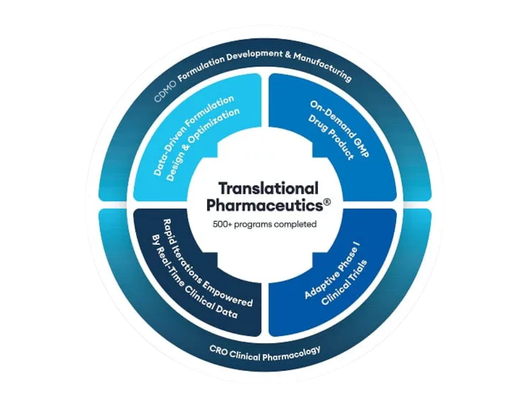
What really strikes me is not the number but the variety of subject matter that our team showcased over the past year. The diverse subject matters of these publications reflect our unique Translational Pharmaceutics® platform that integrates conventionally siloed specialisms required to develop medicines.

It was a tremendous recognition and reflection of our relentless focus on customer service, quality, and world-class science to be honored as part of the 2023 British Made Awards, the 2023 Pharma Innovation Awards, and the 2023 CDMO Leadership Awards. 

We support our customers with a breadth of expertise that we believe is unrivaled in the pharma services sector, and our focus on saving both time and cost in the development of medicines is something particularly prescient in the current climate.

Looking back at the year, I’m inspired by the resilience and tenacity with which we achieved these milestones amidst unprecedented challenges. 

From drug substance design and custom synthesis, drug product development and manufacturing, through to clinical testing, I am incredibly proud of the science we deliver, and I’m truly excited to see what we will achieve together with our customers and our partners in the coming year.

Image
Dr. Andrew Lewis from Quotient Sciences reflects on 2023 company milestones and achievements

References:

(1) 48% of biotechs relying on Big Pharma for funding: ICON survey

(2) VC funding trends in biotechnology

(3) The Silicon Valley Bank Collapse Explained

(4) Pfizer shares sink after it resets 2024 COVID expectations

(5) 2023 drug approvals: After a down year, FDA signs off on a bounty of new meds

(6) FDA approves world's first CRISPR-based medicine for sickle cell

Navigating Expedited Drug Development Pathways Globally: Q&A with Quotient Sciences Experts

Drug Product , Commercial Manufacturing , Clinical Trial Manufacturing , Translational Pharmaceutics , Regulatory , Orphan Rare , FDA

Navigating Expedited Drug Development Pathways Globally: Q&A with Quotient Sciences Experts

Navigating Expedited Drug Development Pathways Globally: Q&A with Quotient Sciences Experts

As the demand for faster access to life-saving therapies grows, regulatory agencies around the world have introduced expedited approval pathways to accelerate drug development without compromising safety or efficacy.

Programs like the FDA’s Fast Track and Breakthrough Therapy designations offer sponsors a strategic advantage when developing treatments for serious or rare conditions.

Recently, a new type of designation, the Commissioner's National Priority Voucher (CNPV) program, was announced by the FDA. The CNPV aims to prioritize therapies that meet one of the following criteria:

  • Addressing a U.S. health crisis
  • Offering innovative cures for U.S. patients
  • Meeting U.S. public health needs
  • Boosting U.S. domestic drug manufacturing

Compared to current Fast Track, Breakthough Therapy, and similar FDA programs, CNPV vouchers are non-transferable and must be used within two years.1

Quotient Sciences experts address CMC challenges

Navigating these pathways bring CMC challenges requiring regulatory knowledge, technical agility, and a collaborative approach to development to solve.

In this Q&A, Brad Rowe, Senior Director of Integrated Development, and Robert Cornog, Senior Director of Product Development at Quotient Sciences, share insight on how clients can successfully leverage accelerated approval pathways.

From regulatory strategy and clinical manufacturing to risk mitigation and global alignment, they explore the critical elements that drive success in today’s fast-paced drug development landscape and how Quotient Sciences helps clients meet these needs.

What are expedited drug approval pathways and why do they matter?

Brad Rowe: Expedited approval pathways are regulatory mechanisms that allow drug developers to bring therapies to market faster—especially when treating serious or life-threatening conditions. Agencies including the FDA, EMA, PMDA, and others offer programs to support this.

Robert Cornog: These pathways are designed to balance speed with safety and efficacy. In 2024, 75% of novel drugs approved by the FDA used one or more of these designations. That shows how critical they’ve become in modern drug development.

How can pharma/biotech companies determine if their drug qualifies for an accelerated pathway?

Brad: There are several criteria that a company needs to meet to qualify for an expedited status and it varies by region. In the U.S., we often work with clients that have FDA Fast Track or similar. We have seen that between the different regulatory agencies, some qualifying questions are universal, like:

  • Does the drug treat a life-threatening condition?
  • What’s the global patient population?
  • Is it significantly better than current treatments? Or is there an unmet need?

Robert: The principles we apply in the U.S. often translate to these global programs. Also, understanding the age of onset and diagnosis is key. For example, pediatric or geriatric populations may require different formulations. These factors shape early regulatory conversations and development strategies.

Why is choosing the right CDMO critical for accelerated development?

Brad: It has long been our standpoint that a CDMO should be more than a vendor—it should be a strategic partner. That is exactly what we aim to do at Quotient Sciences for our clients. You need a partner who really understands the stakes and is experienced.

Robert: And one who’s flexible, especially when working on a program for a rare disease where batch sizes are small and maintaining the same quality is paramount. Also, a smaller biotech company may also be navigating this process for the first time, possibly looking to license or divest the asset. A good CDMO can help build a roadmap that ensures continuity, even if the asset changes hands.

How does Quotient Sciences help manage compressed timelines and limited resources?

Robert: It’s all about alignment of resources—technical, financial, operational. They must match the program’s phase and risk profile. For example, late-stage development often overlaps with clinical and regulatory work. That means you need to identify and de-risk gaps early. 

In part, that’s why we advocate for integrated development—combining formulation, manufacturing, and clinical dosing, like we do with the Translational Pharmaceutics® platform. It allows for rapid iteration and smarter decision-making.

Brad: I would agree that the challenge isn’t entirely about how to manage the risk, but failing to prepare for it. Our Drug Development Consultants (DDCs) and project managers help our clients navigate decision points, clarify trade-offs, and keep programs on track.

For more insight, download our recent whitepaper and contact us about your next accelerated development program.

References: 1- https://www.pharmaceutical-technology.com/newsletters/fda-creates-new-priority-review-voucher-scheme-to-boost-us-interests

Using a formulation design space with Translational Pharmaceutics® for success in oral peptide development

Translational Pharmaceutics , Formulation Development , Peptides , Dr. Andrew Lewis

Using a formulation design space with Translational Pharmaceutics® for success in oral peptide development

Summary: Dr. Andrew Lewis, Chief Scientific Officer at Quotient Sciences, discusses the integration of formulation design space with Translational Pharmaceutics® to enhance oral peptide development. This approach addresses challenges like low bioavailability by optimizing formulations based on clinical data. The platform combines drug product development, manufacturing, and clinical testing, enabling just-in-time manufacturing and efficient CMC packages. This innovative strategy minimizes investment and waste, ensuring successful oral peptide programs.

Recent advancements in drug discovery, peptide engineering and drug delivery have converged to address many of the challenges associated with oral peptide delivery. 

Technologies such as phage display can be used to create vast libraries of peptides that can be screened for properties of interest such as permeability and protease resistance, and numerous technologies – from permeation enhancers through to ingestible devices have been shown to be effective in promoting systemic absorption. 

Drugs entering clinical trials typically start with a Phase 1, first-in-human (FIH) program that includes a single ascending dose (SAD) study - starting with a sub-therapeutic dose and gradually increasing to predicted therapeutic levels before evaluating multiple ascending doses (MAD). 

As oral peptides usually have to be formulated with a drug delivery technology, multiple prototypes have to be developed with the knowledge that most of them will not be taken forward into later clinical development. Furthermore, given the many unknowns in oral peptide biopharmaceutics and poor correlation between preclinical models and humans, it is difficult to predict what the optimum formulation for performance in humans will be.

With this considered, a drug product strategy for oral peptide programs needs to be designed that enables the program objectives to be met whilst minimizing investment required and wasted API and drug product.  

How does a formulation design space work?

Using the Quotient Sciences Translational Pharmaceutics® platform, we offer an innovative solution that helps mitigate these development risks—especially when applied to molecules with known challenges such as low bioavailability.

Integrating drug product development and manufacturing services with clinical testing, we enable a just-in-time manufacturing strategy for drug products that are then dosed in the clinic as they are needed. The efficient CMC packages created as part of this platform are supported by a supply chain that Quotient Sciences controls from start to finish.  

With Translational Pharmaceutics®, formulations are optimized based on emerging clinical data, and using a formulation design space allows even greater flexibility. A formulation design space is a trusted concept that we have applied as part of RapidFACT® programs, an application of the Translational Pharmaceutics® platform, for almost two decades.  

A blue background with text and blue lines

Description automatically generated with medium confidence, Picture


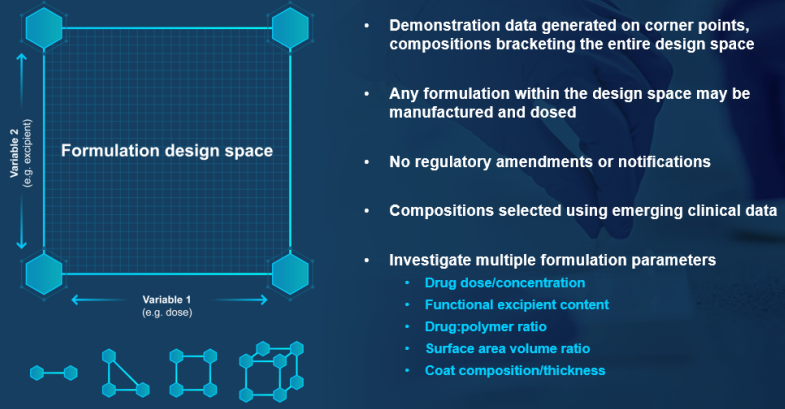
To create a formulation design space, formulation variables are identified that are anticipated to be critical-to-performance (e.g. dose and the levels of a functional excipient). Demonstration batches are manufactured at the extremes of the design space, and batch analysis and stability data are obtained for submission to the regulatory agency to gain approval to dose any formulation within that design space. 

In the example shown, just four demonstration batches enable the clinical evaluation of many more formulation prototypes–without any regulatory amendments or notifications, as long as the compositions remain within the pre-defined design space.

Continue reading how we have applied the Translational Pharmaceutics® platform in the development of oral peptides, with case studies from pharma/biotech customers, in our latest whitepaper

To get alerted about new blogs, news, and updates from our company, make sure you're on our mailing list. Subscribe for email updates.

How an Integrated Approach to Project Management Helps Advance Drug Development: A Look into Quotient Sciences’ Project Management Function

Project Management , Translational Pharmaceutics

How an Integrated Approach to Project Management Helps Advance Drug Development: A Look into Quotient Sciences’ Project Management Function

How an Integrated Approach to Project Management Helps Advance Drug Development: A Look into Quotient Sciences' Project Management Function

Summary: Sue Sweet-Smith, Senior Director of Project Management at Quotient Sciences, explains how an integrated project management approach enhances drug development. Coordinating multidisciplinary teams and maintaining clear communication, Quotient Sciences' project managers ensure timely and high-quality project delivery. They help minimize risks and meet even the most aggressive timelines, ultimately expediting the delivery of new medicines to patients.  

Across the pharmaceutical industry, the R&D process is not getting any easier. 

Companies are faced with challenging budgets and economic pressures, all while aggressive timelines to get new therapies to market to meet patient expectations continue. This environment has led to increased reliance on partner CRO and CDMO companies to access the necessary services and scientific skills, knowledge, and innovation to remain ahead of competition—making the selection of a trusted, experienced partner even more important. 

Project management is central to every drug development program that we work on at Quotient Sciences. No matter where the project is performed—whether it is a clinical pharmacology program or an integrated Translational Pharmaceutics® program that combines pharmaceutical sciences and clinical capabilities into a single program of work at either of our Phase I clinical units in Miami, FL or Nottingham, UK—our project managers help ensure customers have a consistent experience and maintain high standards of quality in project delivery. 

How Quotient Sciences approach project management for drug programs 

Our approach to project management is focused on the needs of our customers, and our project managers act as advocates to ensure an on-time and successful project delivery. 

Our delivery through high-performing multidisciplinary teams is fundamental to project success. Each project manager helps integrate services across scientific functions, facilities, and vendor partners to coordinate a program as it progresses from milestone to milestone. Each customer benefits from a single point of contact who will partner them from project initiation through delivery and reporting, facilitating seamless transitions to subsequent development stages. 

Our project managers are organized to lead cross-functional, multidisciplinary teams structure that provides consistency and accountability for the delivery of projects. Every customer has a dedicated project team, which provides continuity of interactions and accountability, direct peer-to-peer communication with technical experts, and program oversight to effectively manage time, cost, and quality.  

All project teams are assigned a lead team member from each of Quotient Sciences’ functions. This ranges from formulation development and manufacturing to analytical development and product release, clinical operations, regulatory and quality, and data sciences. Additionally, pharma project managers work closely with our business development and scientific teams to ensure a smooth handover to operations and continued scientific support throughout your study.  

They are also skilled at vendor management for third party services which may be required for the study, this takes some of the complexity and burden of managing multiple vendors off the customer and ensures a streamlined approach to clinical delivery.  

Our project managers are continually adapting to complex program requirements

Our agile, adaptive project managers embrace changing requirements while always looking ahead on how to best handle complex processes. For example, real time human PK data can sometimes take us in a direction we hadn’t anticipated. 

Our project managers can work with multiple functions such as formulation development, analytical, regulatory, manufacturing, screening, and clinical and medical teams to ensure that any amendments to the study design, formulations or exposure limits are managed in a smooth and compliant fashion with minimal impact to project delivery timelines. 

Through effective scheduling, forecasting, and risk management, we aim to successfully develop products and expedite the delivery of new medicines to patients. 

Picture 

Project managers act as a central point of coordination, maintaining clear lines of communication and providing direct access to the individuals responsible for delivering each component of the program. As many of our project managers have joined the Project Management team via other operational departments in the business, they bring with them insider knowledge on how to get the best from the operational teams. 

Above all, the customer is put at the center of our collaborative structure to ensure project continuity and milestones are met without delay. We strive to understand the customer’s way of working, their objectives, and needs and we appreciate the huge responsibility and opportunity being bestowed on us to support their drug program. Everything we do for our customers is driven by an unswerving belief that ideas need to become solutions, and molecules need to become cures, fast. 

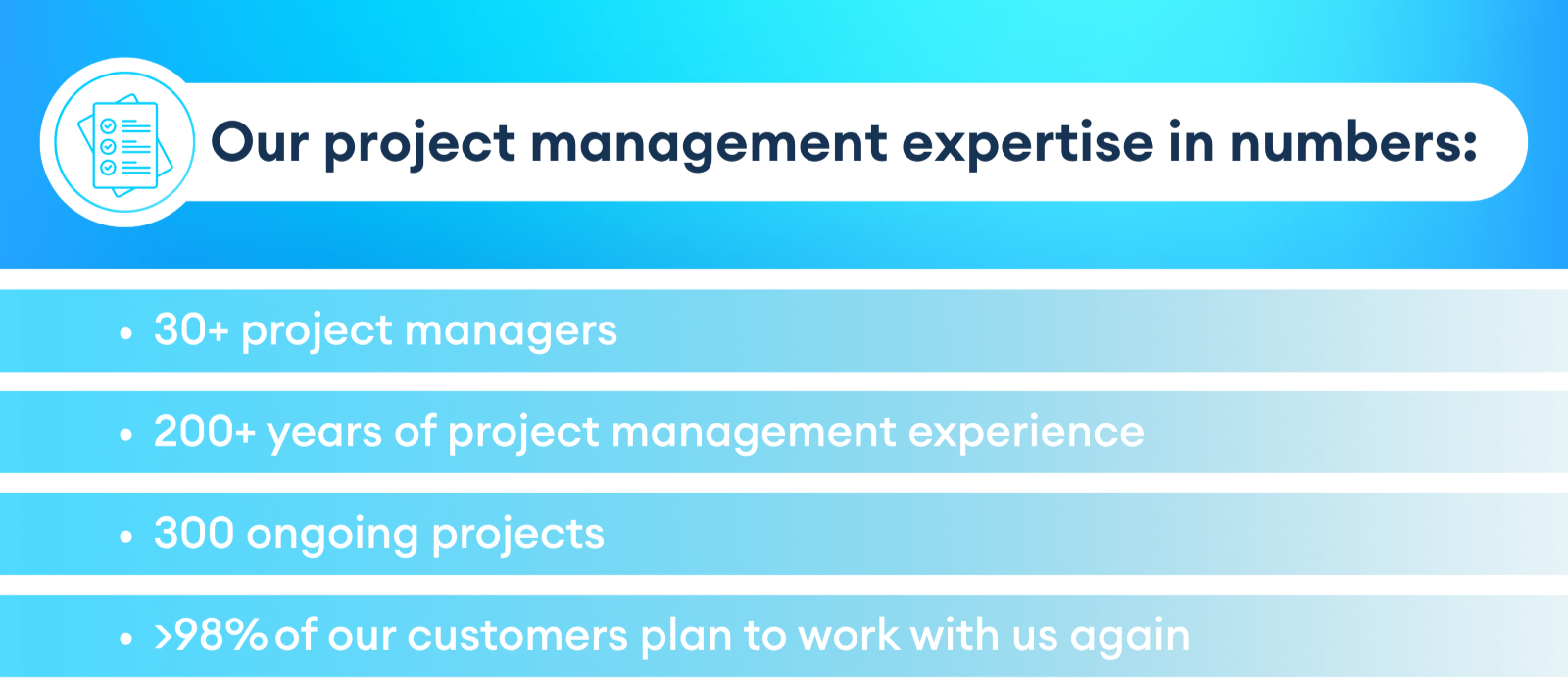
With over 200 years of combined experience and hundreds of active programs in motion, our Project Management team is well-versed in navigating the challenges that come with early-phase development. A strong focus on planning, risk mitigation, and problem-solving has earned the trust of customers — more than 98% of whom choose to partner with us again. That repeat engagement reflects not only a high standard of execution, but also the confidence clients place in the teams leading their programs.
 

VIDEO: Our approach to Project Management


Customer feedback about our project managers:

  • “I wanted to take a moment to thank you guys for helping us get the first patients dosed! Because of you we were covered in the London Times and STAT news this morning.”
  • “Quotient Sciences PM is exceptional, one of a kind!! We couldn’t have asked for more.”
  • “Excellent services, will definitely work with Quotient Sciences in future and highly recommend to contract Quotient for an excellent delivery on overall project timelines, cost, and quality.”
  • “Thanks everyone at the Quotient Sciences team... we really could not have done this without you!”
  • “Excellent support from the PM throughout the study until close out.”
  • “Excellent! ... Having her coordinate all the teams we can see the value she brings to the whole study.”
  • “(PM) is very good at identifying risks and mitigating them. She did this without having to consult with us which was great.” 

Contact us to learn how our project management teams can help you minimize risks and simplify the drug development process.  

To get alerted about new blogs, news, and updates from our company, make sure you're on our mailing list. Subscribe for email updates.

The Strategic Role of Drug Development Consultants at Quotient Sciences

Drug Development Consulting , Translational Pharmaceutics , Formulation Development , Drug Product , Careers

The Strategic Role of Drug Development Consultants at Quotient Sciences

Summary: We speak to four of Quotient Sciences' newest Drug Development Consultants (DDCs) about their experiences and how they are helping to drive innovation for customer programs in their roles at Quotient Sciences. For more perspective on the role of a DDC at Quotient Sciences, read commentary from Sandeep Kumar, Director of Drug Development Consulting; Andreas Reichl and Kevin Schaab, Senior Drug Development Consultants; and Robert Cornog, Senior Director of Product Development.

What is a Drug Development Consultant? 

Drug Development Consultants (DDCs) play a key role at Quotient Sciences, helping our clients navigate the complexities of drug development–from early drug development and first-in-human clinical testing, to scaling up to later clinical trials and commercial drug product manufacturing

Our DDCs bring together experience across scientific disciplines, regulatory, and operations to guide program strategy and execution. Their main goal is to help clients make informed decisions to reduce development risks and keep programs on track

DDCs at Quotient Sciences work closely with each client to understand their molecule, development goals, and current challenges. From there, they offer tailored guidance across areas like formulation development and design, clinical pharmacology, regulatory planning, and manufacturing strategy. 

Meet our newest Drug Development Consultants 

Collaborating with the broader Quotient Sciences team—including departments such as business development, project management, and manufacturing—DDCs ensure that every aspect of the development plan is aligned so clients can move forward with clarity and confidence. 

Whether supporting a first-in-human (FIH) study or preparing for late-phase development, the DDC is a dedicated partner focused on helping each molecule efficiently reach its next milestone. 

For more perspective on the role of a DDC at Quotient Sciences, we interviewed Sandeep Kumar, Director of Drug Development Consulting; Andreas Reichl and Kevin Schaab, Senior Drug Development Consultants; and Robert Cornog, Senior Director of Product Development. They share their experience and how Quotient Sciences supports clients with a unique mix of services and expertise.

You recently joined the company in your roles. What experience did you have before you worked at Quotient Sciences, and what appealed to you the most about the company’s offering? 

Robert Cornog: I worked with Quotient Sciences from 2008-2021 and recently re-joined the company because of our integrated approach to drug development and commercialization. My previous experience with Quotient Sciences and other companies spanned early drug formulation development, technical transfer, and late-stage CMC strategies through facility readiness and commercial launch. Seeing the value that working in cross-functional teams brings to innovation and accelerating program timelines, Quotient Sciences’ approach seemed like the next logical step.

Kevin Schaab: My previous experience included new pharmaceutical product development, ranging from IND to NDA stages. I particularly enjoy the challenges posed by transitioning products into the clinic and refining their performance along the development lifecycle. I joined Quotient Sciences because of the unique capabilities of the organization in taking a science-driven approach to solving emergent challenges in drug development. 

Andreas Reichl: My previous experience was focused on early clinical development—including preclinical and translational sciences, first in human, proof of concept, and beyond (considering the labeling studies needed later in development). Clinical pharmacology principles have fascinated me from the very early days of my career. Understanding the underlying mechanistic and scientific aspects that feed into clinical studies and how that data ultimately defines a compound’s profile (summarized in the drug label) is very interesting. 

For me, Quotient Sciences’ Translational Pharmaceutics® platform, and what it can do to enhance and optimize compound performance in humans, adds another dimension of possibility to development programs. I believe this kind of approach will become increasingly important in the future of drug development.

Sandeep Kumar: I have held diverse roles across academia, large and midsize CDMOs, and the excipient industry, gaining extensive experience in formulation development, clinical trial manufacturing, and excipient and coating technologies. I am passionate about supporting early-stage drug development customers in bringing differentiated products to market.

Like others, I was also attracted to join Quotient Sciences based on the integrated approach we follow—combining formulation development, clinical manufacturing, and clinical testing together with Translational Pharmaceutics®.  This style of working not only supports outcome-based decision-making, but allows timely adjustments to be made, such as exploring promising technologies or reformulating to create better drug candidates. The focus on more collaborative and connected development activities inspires me because it helps bring better, differentiated therapies to patients faster.

Is there a specific challenge you frequently see in development? What would be your advice to best avoid this? 

Kevin: I like to say that many characteristics of a drug are 'baked-in' from the very early stages of its conception and development. The greater the understanding of these characteristics early on, the greater the likelihood that you can begin to comprehend some of the potential challenges you’ll be facing related to developing the drug in the long run.  

Robert: Aside from overcoming typical challenges with poor bioavailability and solubility, a lot of programs have hurdles with limited understanding of formulation, limited knowledge transfer during technical transfers, unanticipated scale-up difficulties, and poor CMC compliance with current regulatory expectations. A centralized and agreed upon risk management program, one that can be frequently referenced by all stakeholders, is critical to help overcome these issues.

Andreas: My recommended mitigation strategy would be for more rigorous focus on preclinical science to ensure compounds are “clinic ready.” Otherwise, speed to the clinic may come at the cost of poor quality data. 

Limited or improper preclinical data are more likely to create challenges during early clinical development. GLP toxicology studies with inadequate or insufficient dose levels, too short recovery periods, and missing or ambiguous genetic toxicology data are a few challenges that make interpretation and translation of these data difficult. This could lead to premature stopping criteria in human dose escalation and resulting termination of trials or even compounds that could have been avoided. 

Oncology compounds tend to face such challenges, given the less comprehensive preclinical data requirements for this indication. 

Sandeep: One challenge I frequently see in development is the gap between formulation optimization and clinical outcomes, often caused by insufficient integration between development and manufacturing stages. My advice to avoid this is to adopt an integrated approach where these activities happen together. This not only accelerates decision-making but allows rapid iteration and optimization to advance drug candidates.

How do you apply your industry knowledge to help clients navigate the complexities of drug development at each stage?

Kevin: I tend to approach challenges with an open mind, curiosity, and an eye towards seeking fit-for-purpose solutions appropriate for the phase of development being undertaken. 

Andreas: In the early clinical space, it is important to identify a compound’s potential showstoppers as soon as possible. This allows a compound to be terminated early, if necessary. For instance, consider incorporation of critical items as additional objectives or endpoints into first in human trials, such as a concomitant use DDI cohort within a FIH umbrella protocol. 

In later clinical phases, the time and cost-efficient conduct of clinical pharmacology packages of labeling work is an area where many clients benefit from consulting an experienced CRO. Using DDI cocktails and other design enhancements, instead of conducting multiple separate trials, is a classic example.  

Robert: By later stages, the shift really focuses with the end in mind. Focused development and process understating ensures the CMC strategies are flexible enough to accommodate changes and still meet or exceed the expectations of regulators.

Sandeep: I use my experience to guide clients through each stage of development—formulation design and optimization, clinical manufacturing, and regulatory interactions included. Drawing on my background in excipient technologies and clinical manufacturing, I help clients anticipate challenges, select the right formulation strategies, and manage transitions between development phases. I also stay up to date on the latest industry news, trends, and regulatory requirements so I can offer practical advice to help minimize risks and keep programs on-course.

What trends or innovations excite you in this space?

Robert: Technology is really changing the way we can approach delivery of therapies to patients. Digitalization of information from the manufacturing floor and quality control laboratories, and patient monitoring using wearable devices, are allowing real time data analysis and decision-making. Using that data in simulations and to create digital twins, which can be applied to advancing patient specific personalized medicine, will be real game-changers.

Kevin: I am particularly excited about the number and type of different treatment modalities now being leveraged to tackle unmet needs in medicine—antibodies, RNA, DNA, small-molecules, peptides, proteins, etc. As I mentioned, the intrinsic characteristics of different types of molecules present different and unique challenges from the get-go, so we will be compelled to seek unique, science-driven solutions in advancing these medicines to patients. 

Andreas: Both formulation development and clinical pharmacology are deeply rooted in science, and it is exciting how we can marry these disciplines to further enhance and streamline both formulation and clinical development. Beyond that, I believe that a science-driven approach, such as Translational Pharmaceutics®, will become even more critical in the future as more BCS class II and III compounds needing formulation optimization are emerging. 

Sandeep: What excites me most in this space is the integration of AI and machine learning to speed up drug discovery and optimize clinical trials. I enjoy seeing innovations in drug delivery and formulation technologies that improve patient outcomes, and I think technology will help advance that in years to come. 

Meet our DDCs at an upcoming seminar, tradeshow, or conference this year. Browse our event listing for details on what events we'll be attending or hosting next.

To get alerted about new blogs, news, and updates from our company, make sure you're on our mailing list. Subscribe for email updates.

Accelerating Drug Development with Translational Pharmaceutics®: Integrated CRDMO programs in the U.S.

Translational Pharmaceutics , Dr. Helen Baker , Dr. Vanessa Zann , Drug Development Consulting , Drug Product , Philadelphia , Miami

Accelerating Drug Development with Translational Pharmaceutics®: Integrated CRDMO programs in the U.S.

Summary: Dr. Helen Baker, Director of Formulation Design, and Dr. Vanessa Zann, VP of Scientific Consulting - U.S. Translational Pharmaceutics® & Clinical Pharmacology at Quotient Sciences, discuss the difference Translational Pharmaceutics® makes in drug development. Translational Pharmaceutics® integrates drug product formulation, manufacturing, and clinical testing, reducing timelines and costs. They explain how Quotient Sciences U.S. facilities in Philadelphia and Miami conduct these programs, giving options to clients who choose to work with a Quotient Sciences Translational Pharmaceutics® program in either the U.S. or in the U.K.

How does Quotient Sciences conduct Translational Pharmaceutics® from our U.S. facilities?

For nearly 20 years, Quotient Sciences has been at the forefront of integrated CRDMO solutions through Translational Pharmaceutics®. This pioneering approach merges operational efficiency, scientific rigor, and clinical insights into a seamless program—managed under a single organization with a dedicated program manager. 

Collectively, we’ve completed more than 500 Translational Pharmaceutics® programs worldwide for more than 100 customers. While the Translational Pharmaceutics® platform has been used in the U.K. for over 17 years, Quotient Sciences has also been successfully running Translational Pharmaceutics® programs in the United States for over eight years, with significant growth and investment in recent years. 

Q&A with Dr. Helen Baker and Dr. Vanessa Zann on Quotient Sciences’ U.S. Translational Pharmaceutics® Capabilities

To discuss the evolution and impact of using Translational Pharmaceutics® programs to accelerate drug development for pharma and biotech clients in the U.S., we spoke with Dr. Helen Baker, Director of Formulation Design at Quotient Sciences, and Dr. Vanessa Zann, Vice President, Scientific Consulting, U.S. Translational Pharmaceutics® & Clinical Pharmacology.

Q: Translational Pharmaceutics® has been a core part of Quotient Sciences’ approach to drug development for nearly two decades. How has the U.S. offering evolved in recent years?

Dr. Baker: Our U.S. Translational Pharmaceutics® offering has developed significantly since we started our first programs, which are a partnership between our Philadelphia, PA and Miami, FL facilities to fully execute. Effectively, we have rebuilt our operations for Translational Pharmaceutics® in the U.S. to operate independently from traditional early and late-stage development or patient supply programs, such as clinical trial materials manufacturing.

Unlike traditional drug development, where drug product manufacturing and clinical testing are performed by entirely separate entities, Translational Pharmaceutics® maintains full control of the supply chain. Our CMC, quality, regulatory and clinical teams are fully integrated. 

Dr. Zann: Translational Pharmaceutics® requires a different way of working to conventional CDMO or CRO approaches. We have a dedicated team focused on U.S. Translational Pharmaceutics® and have expanded the capabilities of our U.S. sites to support Translational Pharmaceutics® projects that includes:

  • Dedicated CMC and project management leadership
  • Dedicated formulation, QA, and analytical support
  • Expanded R&D lab spaces with cutting-edge equipment

Additionally, we’re coming up on the five-year anniversary of the expansion of our Miami pharmacy compounding capabilities. Our Miami site is a clinical pharmacology facility specializing in Phase I clinical studies but also contains an integrated research pharmacy department with the ability to perform sterile pharmacy compounding for the in-house Phase I clinic. This includes several formulation types, such as drug in capsule steriles for IV, IM and SC administration, solutions and suspensions. Compounding of non-sterile drug products is performed in accordance with USP<795>. Pharmacy compounding gives added flexibility in how we can manufacture drug product to support FIH trials at our Miami clinic.

Q: How does Translational Pharmaceutics® benefit drug developers when compared to traditional approaches?

Dr. Baker: Translational Pharmaceutics® streamlines drug development by integrating drug product formulation and cGMP manufacturing with clinical testing into a single program. 

Overall development timelines are accelerated and emerging clinical data is used to guide formulation and dose selection in real-time, improving decision making along the way. Translational Pharmaceutics® also allows for greater control of the supply chain and eliminates vendor management complexity for our clients when compared to having multiple, CRO and CDMO partners to coordinate.

Drug product batch sizes also have reduced stability requirements. We make smaller, 100- to 300-unit drug product batches with stability requirements of typically 7-14 days. The stability generated covers the clinical dosing period but also allows rapid progression into clinical testing and reduces API requirements. We don’t have a large batch of drug product manufactured and waiting to be dosed, at risk of being wasted if it is not needed. 

Dr. Zann: For most customers, we’ve seen Translational Pharmaceutics® save an average of 12 months of time in drug product development and Phase I clinical testing. When factoring in the extra steps, time, and cost removed from the lifecycle of a drug, the actual savings using Translational Pharmaceutics® can be far greater—as the Tufts Center for Drug Development saw when they conducted their assessment.

We know other providers offer programs to integrate similar services, but they are not replacements for what Translational Pharmaceutics® can offer. In all cases, we have found these to be separate programs of work, with separate project managers coordinating services. These programs are not nearly as integrated as a Translational Pharmaceutics® program, with the different teams and capabilities we assemble to make these possible. In addition, not all companies are able to see the formulation development through to the in vitro characterization and clinical outcomes—with Translational Pharmaceutics®, we can. 

Dr. Baker: With Translational Pharmaceutics®, everything is coordinated under one team, and there’s one program of work and one program manager who leads it. Our project managers are a lynchpin that make Translational Pharmaceutics® programs run the way they do, in the U.S. and in the U.K. They ensure that timelines are set and adhered to, monitoring client feedback along the way, so we can always ensure we are delivering against project milestones

Q: What investments have been made in the last 12-18 months to enhance Translational Pharmaceutics® capabilities in the U.S.?

Dr. Baker: We have made significant changes to our Philadelphia facilities (in Boothwyn and Garnet Valley, PA) to streamline our ways of working with dedicated teams and operational improvements as mentioned, which has taken place over the last year. Changes have also been made to what equipment and spaces are available for conducting U.S. Translational Pharmaceutics® programs to increase capacity and efficiency. Key investments include:

  • Two dedicated R&D lab spaces for U.S. Translational Pharmaceutics® projects
  • New equipment, including tablet presses, mills, and blenders and solubility enhancement technologies, including micronization and spray drying
  • Semi-automated tablet presses, which has doubled our capacity compared to last year

These investments mean that we can develop and manufacture the full range of oral solid dosage forms—from simple, powder in bottle (PIB) formulations to more complex modified release formulations, or enabled formulations.

Q: How do Quotient Sciences’ U.S. Translational Pharmaceutics® programs support regulatory requirements?

Dr. Zann: Regulatory compliance is critical and our U.S. facilities have recently undergone successful regulatory inspections from multiple agencies, including the U.S. FDA, ANVISA (Brazil), and CFDI (China). This ensures that we can support both domestic and global development programs. 

Also, as part of a Translational Pharmaceutics® program the Quotient Sciences team will author the IND module 3 drug product section for the IND opening/update.

Q: Can you share examples of recent Translational Pharmaceutics® projects?

Dr. Baker: We’ve had many exciting Translational Pharmaceutics® projects, particularly in modified release formulation optimization and solubility-enhanced formulations. One standout program that we conducted as a Translational Pharmaceutics® project between our U.S. facilities was a first-in-human study for a top five global pharma company, where we developed a granulate-in-capsule formulation for a SAD/MAD and food effect study. Among the benefits included a three-month acceleration to the clinic and significant API savings. This program demonstrated the power of the Translational Pharmaceutics® platform by enabling real-time formulation refinements based on emerging clinical data.

Dr. Zann: We’re also proud of our recent work with Ensyce Biosciences, where a clinical program was completed in Miami, supported by our U.K. sites for drug product formulation development and manufacturing.

Lynn Kirkpatrick, the company’s CEO, approached us to address formulation challenges for their modified release product, PF614-MPAR, in development as a potential breakthrough in treating severe pain. After consulting a traditional CDMO, Ensyce Biosciences was told by that provider that it would take over 8 months for an initial drug product prototype. In Part 1 of the study, we assessed 10 different formulation combinations to identify the unit dose.

Realistically, the company would have faced years of development to optimize its formulation and determine the required dose for the PF614-MPAR drug product, if multiple iterations needed to be manufactured sequentially, and the traditional formulation development approach was undertaken.

We were able to complete the work in a fraction of the time that was quoted by the other provider. The company has since moved forward with Phase II/III trials and is scaling for commercial manufacturing. We are proud to see what the product will go on to achieve and the impact it may have in addressing the ongoing opioid crisis.

Q: Who benefits most from U.S. Translational Pharmaceutics® programs?

Dr. Baker: We work with a range of clients, from large pharma to emerging startups. The simple answer is that many clients can benefit from the time and cost savings that Translational Pharmaceutics® brings to early stage drug development. We’ve applied it across indications and patient groups - in drugs that are targeted for use in oncology, rare diseases, and pediatrics, just to name a few. 

We see many cases, like with Ensyce Biosciences, where clients want to move rapidly into formulation optimization in a more efficient, controlled way. 

We also see many clients who have limited API availability, or cases where it is very costly to produce. As I noted before, Translational Pharmaceutics® puts us in control of the full supply chain, including the amount of drug product needed - and thereby, API used - for a clinical study. 

Endevica was a peptide sterile formulation developed at Nottingham and then tech transferred to Miami for compounding, and according to the client due to small batch compounding with limited stability, the Translational Pharmaceutics model saved the client over 1 million dollars on the API synthesis cost. 

Having the flexibility to conduct Translational Pharmaceutics® programs in the U.S. can be particularly valuable when an organization has U.S.-based grant funding, for example from the National Institutes of Health (NIH). In nearly all cases, this mandates that studies must be conducted in the U.S. 

Dr. Zann: There are also significant benefits of using Translational Pharmaceutics® when a client has a challenging molecule, such as poor solubility or permeability. Our scientific team includes experts in formulation, biopharmaceutics, modelling and simulation, and clinical pharmacology so we can select the best strategy to overcome these challenges and design a development program to maximize the probability of success. 

Likewise, using Translational Pharmaceutics® is ideal when a client aims to develop a complex drug product, such as a modified release (MR) formulation or an oral peptide. The correlation between preclinical animals and humans for immediate release products can be poor (Grass and Sinko, 20XX) and in the case of MR or oral peptides can be even greater, therefore the opportunity to optimize these drug products based on  clinical testing with healthy volunteers is the preferred approach and likely to give the best opportunity for success.

Q: Can you tell us more about the wider team of scientific experts at Quotient Sciences? 

Dr. Baker: Globally, we have a group of very talented drug development experts and apply our experience across a range of areas. 
Ultimately, no matter where a customer chooses to work with us on a Translational Pharmaceutics® program, they benefit from our collective knowledge and an accelerated path to meet development milestones.

Meet the Team & Learn More at DCAT Week

For those interested in learning more about Translational Pharmaceutics®, we invite you to download our one-page summary to read more about the benefits of Translational Pharmaceutics®.
Spotlight on Nottingham: Q&A with Denise Sutton, Chief Operating Officer and Site Head - Nottingham, UK – Part 2

Translational Pharmaceutics , Clinical Pharmacology , Denise Sutton , Nottingham , Denise Sutton

Spotlight on Nottingham: Q&A with Denise Sutton, Chief Operating Officer and Site Head - Nottingham, UK – Part 2

Summary: Denise Sutton, Chief Operating Officer and Site Head at Quotient Sciences, Nottingham, UK, shares insights into the site's growth and strategic direction. She highlights investments in facilities, equipment, and talent to support integrated drug development services. Denise emphasizes the importance of cross-functional collaboration, innovation, and customer focus in delivering high-quality outcomes. Her leadership fosters a culture of continuous improvement, ensuring the Nottingham site remains a key contributor to global pharmaceutical development.

In the second of this two-part series with Denise Sutton, we discuss Quotient Sciences’ clinical pharmacology offering in Nottingham.

Denise also highlights how we stay ahead of an evolving regulatory landscape, and how we work with our customers to determine the right program for their needs. 

Missed the first part of this series? Read it here.

What types of clinical pharmacology programs does Quotient Sciences deliver?  

At Nottingham, we offer comprehensive clinical pharmacology services that can be conducted either conventionally, with the drug product provided by the customer or a third party, or integrated with our drug product manufacturing capabilities as part of a Translational Pharmaceutics® program.  

In Nottingham, we’ve been delivering a full range of healthy volunteer studies for over three decades, including first-in-human, single and multiple ascending dose (SAD/MAD), relative and absolute bioavailability, bioequivalence, drug-drug interaction (DDI), food effect, taste masking, ethnic bridging, ADME, and thorough QT cardiac safety studies.  

Our customers benefit from consistent and seamless delivery by our experienced, multi-disciplinary teams led by a strong project management function and supported by wrap around data sciences services.

How do you deliver clinical programs in Nottingham? Why should a customer choose Quotient Sciences for their clinical program?

One of the things that I believe makes us unique is the strength of our knowledge and the consultation that we offer from our scientific, medical, and regulatory affairs teams. We work with each of our customers to provide the right level of support needed for their program, using the knowledge we gain from the wide range of projects that we work on.  

In some cases, a clinical design will already have been mapped out, and our role is to perform a review and provide suggestions. In others, we might be presented with a development challenge or a regulatory requirement, plus background data on the molecule. The team enjoys these challenges and the opportunities to review the information, consult with colleagues, and propose a clinical design.  

Once we are in the delivery phase of the program, the team continues to support the customer as they progress through regulatory approvals, clinical delivery, and reporting. We know that quality, time, and cost are key factors, and our experienced project management team works hard to ensure competitive timelines and on-time full delivery. I am proud of our strong track record of consistently delivering on our promises to our customers.

Of course, we couldn’t do any of this without the wonderful people who volunteer to take part in our trials. We have a robust volunteer database, including many repeat volunteers, and those who have referred friends and family members to take part in trials following their positive experiences coming to Quotient Sciences. Our volunteer recruitment and screening teams process over 3,000 volunteers a year and do a phenomenal job in ensuring our studies enroll on time and in full, recognizing the importance of this key milestone in the success of our trials. With our volunteer centric approach, we also work hard to make our volunteers’ stays in the clinic as enjoyable as possible and have an excellent volunteer retention record.

Finally, I couldn’t describe our clinical services without acknowledging our wonderful clinical and medical teams. These groups show incredible commitment and flexibility to ensure we have the right resourcing for each project, data quality, and, of course, volunteer safety in mind. They are guided by our Principal Investigators who have over 70 years of combined Phase I experience. They are truly experts in Phase I trials and take a hands-on approach to designing and delivering trials in our unit. I sleep soundly at night knowing these talented and dedicated teams oversee our trials and volunteers.  

One of the things that I believe makes us unique is the strength of our knowledge and the consultation that we offer from our scientific, medical, and regulatory affairs teams.

What differentiates a traditional clinical pharmacology program from a Translational Pharmaceutics® program with Quotient Sciences?

The Translational Pharmaceutics® platform integrates real-time manufacture of drug product with dosing in the clinic, and as a result, delivers significant time and cost advantages when drug product considerations are a key factor. 

For example, a formulation switch may be required, flexibility in unit dose or dose level may be needed, or the customer may have a limited amount of API. In any of these cases, on-demand drug product manufacturing with clinical testing from our facilities, effectively combining our CRO and CDMO capabilities into one program, makes a lot of sense.  

In a traditional clinical pharmacology program we receive drug product from the Sponsor or their partner CDMO as any conventional CRO would.  

Ultimately, the needs of the customer and their molecule are our priority and help shape whether we do a traditional clinical pharmacology program or a Translational Pharmaceutics® program. Whatever type of program, we take the time to fully understand our customers’ scientific, financial, and strategic requirements. We are happy to offer suggestions and explore different paths as required to optimize delivery.  

What are your thoughts on the UK regulatory landscape and how are you addressing with this?

I consistently hear from our customers that navigating an evolving regulatory landscape in the UK can be incredibly challenging. I find this extremely frustrating, but I have complete confidence in our teams’ ability at removing this barrier. We are always happy to talk with customers about any questions or concerns they have regarding doing their Phase I research in the UK. Our experience is that getting to first subject first visit can be as fast (and often faster) in the UK as other regions. Our high performing multifunctional teams are skilled at accelerating through the critical path milestones.

Our in-house regulatory team is based in Nottingham and has strong relationships with the MHRA and the Health Research Authority (HRA). The senior team, in particular, is actively involved in reviewing and shaping new guidelines. We also engage with the authorities and trade associations to keep current with emerging trends and ahead of regulatory changes.  

I am extremely proud of the fact that around 25% of the applications submitted to the MHRA each year come from Quotient Sciences. This high volume of submissions allows us to quickly understand and adapt to current thinking, both at the MHRA and within ethics committees. It also means that we have built a very talented team with extensive experience. As evidence of the practical impact of this, our approval times are consistently ahead of statutory timelines.  

In a follow-up article, our VP of Regulatory Affairs, Kate Darwin, will provide more information on the UK regulatory process and the benefits of doing Phase I research in the UK.

Our experience is that getting to first subject first visit can be as fast (and often faster) in the UK as other regions. Our high performing multifunctional teams are skilled at accelerating through the critical path milestones.

Any closing thoughts to share about the capabilities or team at Quotient Sciences - Nottingham?

At Nottingham, and at all our facilities, we’re focused on delivering the highest quality of service and making a meaningful contribution to our customer's programs. We know that the difference we make is in how we lend our expertise and dedication to accelerating the next generation of medicines toward their ultimate destination: patients.  

Our customers repeatedly tell us how outstanding it is to witness project teams pull together to deliver their projects. They recognize the genuine team spirit and mutual respect between our colleagues who, for every program, set up to deliver quickly, embrace and resolve challenges as they arise, and provide consistently high service. Customers often comment that our teams really care.

These frequent testimonials are one of the many pleasures of my job, and I take great joy in sharing this feedback with my teams so we can all appreciate the impact that we have on customers’ Phase I programs. 

Whenever possible, we also share stories of the successful continuation of a molecule. It is so powerful to show the team that worked on a Phase I study, the direct impact that their work had on a patient who now has access to a new medicine.

Whatever type of program, we take the time to fully understand our customers’ scientific, financial, and strategic requirements... Our customers repeatedly tell us how outstanding it is to witness project teams pull together to deliver their projects.


Learn more about Quotient Sciences - Nottingham in part one of our interview with Denise Sutton

Get more information about our clinical pharmacology services or catch up on the first part of this two-part series where you can read about Denise’s background, the evolution of the Nottingham facility, and more information on the Translational Pharmaceutics® platform. 

To get alerted about new blogs, news, and updates from our company, make sure you're on our mailing list. Subscribe for email updates.

Spotlight on Nottingham: Q&A with Denise Sutton, Chief Operating Officer and Site Head - Nottingham, UK – Part 1

Translational Pharmaceutics , Denise Sutton , Nottingham , Clinical Pharmacology

Spotlight on Nottingham: Q&A with Denise Sutton, Chief Operating Officer and Site Head - Nottingham, UK – Part 1

Summary: Denise Sutton, Chief Operating Officer and Site Head at Quotient Sciences, Nottingham, UK, discusses the site's evolution and its role in integrated drug development. She reflects on the site's legacy, its expansion in capabilities, and the collaborative culture that drives innovation. Denise emphasizes the importance of customer-centricity, operational excellence, and team empowerment in delivering high-quality pharmaceutical solutions that support global patient needs.

Quotient Sciences – Nottingham offers our clients a powerful combination of drug development capabilities and phase 1 expertise underpinned by a strong scientific heritage.

This facility was the origin for Quotient Sciences’ Translational Pharmaceutics® platform, a unique offering not seen elsewhere in the pharma services sector combining on-demand GMP drug product manufacturing with healthy volunteer clinical trials in an integrated program of work led by a single project manager (PM). 

Designed to disrupt conventional drug development industry siloes to achieve significant time and cost efficiencies, Translational Pharmaceutics® is unparalleled in how it helps advance the next generations of medicines to market.  

In our two-part spotlight, we speak with Denise Sutton, Chief Operating Officer and Site Head for our Nottingham, UK facility, about her background, the evolution of the Nottingham facility, and the Translational Pharmaceutics® platform. 

Tell us about your background and how it led you to your current role at Quotient Sciences.

I joined the Nottingham site back in 1999 when the business was Pharmaceutical Profiles, a spin out from the University of Nottingham.  

I had completed my Ph.D. and post-doc in Biochemistry and was attracted by the novel science emerging from Nottingham under Dr. Ian Wilding, Dr. Steve Newman, and Professor Bob Davis. This team was helping drug development experts diagnose challenges in getting their product to the right location, at the right time, and at the right concentration. They were deploying gamma scintigraphic imaging studies to understand how drugs performed in humans under the banner that “a picture tells a thousand words.” It was ground-breaking science, and I joined initially as a Project Leader to help customers manage their programs on challenging molecules. This was a hands-on role in which I gained experience in drug product manufacturing, clinical activities and data analysis/reporting. There’s no better way of getting to know a business and I learned so much!

Since then, I’ve held many roles within the company spanning operations, project management and commercial. I feel extremely lucky to have been given so many learning opportunities and to have gained such a deep understanding of how these typically disparate activities can be integrated in a way that has a very positive impact for our clients’ programs.  

How has the Nottingham site transformed from when you first started to what it is today? 

We were a small company with fewer than 50 employees, a 10-bed clinic, and a single lab. Over 90% of our work focused on gamma scintigraphic imaging. Due to the short half-life radionuclides we used to label dosage forms, every product we manufactured had a limited time to be dosed.  

At the end of 1999, we moved our headquarters to a purpose-built, two-story facility—now known as Trent House on our now much larger Nottingham campus. We built three GMP manufacturing suites on the top floor and three clinical wards on the bottom floor. In effect, this was the very early start of our Translational Pharmaceutics® platform.

We continued to expand the range of scintigraphy applications we offered in response to changing customer requirements until, in 2008, we approached the MHRA with a new request. We asked if it might be possible to work at the same pace as we did in our scintigraphic imaging studies but do so for conventional drug development, without the radiolabel. We explored the application of ICH Q8 Quality by Design (QbD) guidelines to introduce a compositional design space into the CMC section of our regulatory dossier. This officially created a methodology for applying the Translational Pharmaceutics® platform, and we haven’t looked back since.  

Today, our Nottingham site has expanded to a campus of five buildings. We have development and analytical labs, six GMP suites, six clinical wards with a total of 85 beds where we conduct healthy volunteer Phase I clinical studies, and many talented colleagues covering our spectrum of CRO and CDMO services.  

What has remained unchanged all these years is that Translational Pharmaceutics® is our flagship platform for drug development that empowers our clients with unparalleled flexibility.  

We apply Translational Pharmaceutics® across three core applications: first-in-human clinical studies, drug product optimization programs through rapid formulation development and clinical testing, and human ADME programs. No matter how a client chooses to work with us to apply Translational Pharmaceutics®, the benefits of using a single organization and project management team to integrate services lets our clients remain in control and one step ahead of emerging data that impacts the success of their molecule.  

As a leader at Quotient Sciences, what does a typical day look like for you? 

No two days are the same which keeps life interesting.  

Quotient Sciences is a scientifically rich, customer-responsive organization. We know that great service starts with listening to our customers and having great people with a strong team ethic to respond rapidly to the changing demands of early phase research. I therefore ensure much of my time is spent listening to customers, connecting with our project teams and challenging how we can continually improve to find time and cost savings for our customers.

What would you say are the key strengths of the Nottingham site, and how do you support customer programs? 

We’ve discussed Nottingham’s capabilities and strengths of Translational Pharmaceutics®, but I haven’t yet spoken about our project management team.

Nowhere else would a single PM oversee such a broad spectrum of activities, let alone be expected to ensure seamless, timely progression across functions that in any other company would be delivered from within multiple operating areas (in larger CDMOs and CROs) or through using a combination of 3rd party vendors.  

Challenges will arise, but working with the project team, the PM works to anticipate, avoid, and mitigate any impact whenever necessary. We know that time is incredibly valuable for our customers, so the project Gantt chart is our PM team’s guiding light. I believe our PM team is truly world-leading; they communicate well, show great compassion, and lead with integrity.  

I’m super proud of our high-performing, supportive, cross-functional teams that support our customers when they trust their molecules to us, working collaboratively to deliver the best possible service. After 25 years at Quotient, I still really enjoy going to work. I am indebted to my many colleagues for helping me continue to feel like this. 

For more information about Translational Pharmaceutics®, John McDermott, VP of Scientific Consulting, explains how the platform works in a recent video.

Read part two of our interview with Denise

In the next part of this two-part series with Denise Sutton, we discuss highlights of Quotient Sciences’ clinical pharmacology offering, and how we work with our clients to design the best program for their needs. Read the second part of this series.

To get alerted about new blogs, news, and updates from our company, make sure you're on our mailing list. Subscribe for email updates.

Exploring GLP-1 Agonists: How they work and what the future holds for this promising treatment

Translational Pharmaceutics , Clinical Pharmacology , Peptides , Modified Release , Formulation Development , Dr. Andrew Lewis , Dr. Stuart Mair

Exploring GLP-1 Agonists: How they work and what the future holds for this promising treatment

Summary: We explore the growth of GLP-1 agonists, what they are, how they work and their benefits, and how Quotient Sciences are helping companies tackle challenges in the development of these therapies, including oral formulations. GLP-1 agonists, originally developed for Type 2 diabetes management, have shown promise in treating obesity and other metabolic disorders. While traditionally administered via subcutaneous injection, efforts are underway to develop oral formulations to improve patient compliance. 

The surge in demand for GLP-1 agonist therapies will boost the biotech sector, driving innovation and growth in the years to come. 

In the United States alone, it is projected that the number of GLP-1 users will hit 30 million by 2030, or approximately 9% of the U.S. population, according to data collected by J.P. Morgan Research. 1 This rise in demand reflects the growing global challenge of managing chronic metabolic conditions such as diabetes and obesity.

The Centers for Disease Control and Prevention (CDC) estimates that the prevalence of obesity in the U.S. has grown from 30.5% in 1999–2000 to 41.9% in 2017–20202. On a global scale, obesity has more than tripled since 1975.3  

The need for more effective treatments that improve patient outcomes and adherence is growing. Ten GLP-1 agonist drugs, including semaglutide (RYBELSUS®, Ozempic® and Wegovy®) and tirzepatide (Mounjaro® and Zepbound®) have already received FDA approval for managing Type 2 diabetes and weight loss. In an increasingly competitive space, companies are looking for alternative and more patient-friendly methods to administer these therapies other than by subcutaneous (SC) injection.  

In this article, we explore the growth of GLP-1 agonists, what they are, how they work and their benefits, and how Quotient Sciences are helping companies tackle challenges in the development of these therapies, including oral formulations. For more insight, be sure to sign up for email news and updates from Quotient Sciences.

What are GLP-1 agonists and how do they work? 

GLP-1 (glucagon-like peptide-1) and GIP (gastric inhibitory peptide) are key incretin hormones involved in regulating glucose metabolism. Both are produced in the gastrointestinal tract in response to food intake, specifically glucose and fats. 

When a person consumes food, GLP-1 is released from the intestines into the bloodstream, where it performs several key functions. It signals the pancreas to produce insulin, which helps lower blood sugar levels, and simultaneously tells the liver to reduce glucagon secretion, a hormone that typically raises blood sugar levels. The incretin analogues mimic the action of the naturally occurring hormones, but have been designed to be more potent and longer circulating.

Another function of GLP-1 is its ability to slow gastric emptying. By delaying the passage of food from the stomach to the small intestine, GLP-1 ensures that glucose is released into the bloodstream more gradually, preventing sharp spikes in blood sugar levels. It is also known that GLP-1 has a direct effect on reducing appetite via receptors in the brain. 

What conditions do GLP-1 agonists treat?

In recent years, much attention has been placed on the use of GLP-1 agonists as a treatment for obesity. Research from Harvard Medical School indicates that newer generations of GLP-1 agonists can achieve an average weight loss of 15–25%, significantly surpassing the efficacy of earlier treatments.

As research in this area continues, the industry is seeing that GLP-1s can offer significant benefits for patients, beyond blood sugar control and weight loss. 

For example, large-scale cardiovascular outcome trials (CVOTs) have demonstrated that GLP-1 receptor agonists (GLP-1RAs) can significantly reduce the incidence of major adverse cardiovascular events, including heart attack and stroke. GLP-1 drugs have also shown recent potential in protecting kidney function, as evidenced by their ability to reduce albuminuria and slow the decline of the estimated glomerular filtration rate (eGFR), a critical indicator of kidney health.

Despite benefits, like all drugs, GLP-1 agonists are not without side effects, such as nausea and vomiting, which tend to subside over time.3

Are oral solid dose formulations the future of GLP-1 therapies?  

Typically, most approved peptide-based medicines are administered via injection, which may be a drawback for some patients. Maximizing systemic absorption and achieving therapeutic drug levels of a peptide following oral administration is a challenge for drug developers due to degradation in the digestive tract and low, and often variable, absorption. Addressing these problems is crucial as research progresses from preclinical to clinical stages.  

Following decades of research in both academia and industry, innovations in peptide chemistry and drug delivery are enabling more peptides to be optimized for oral administration, making it easier for patients to start and continue their treatment. In addition a number of small molecular weight compounds targeting the GLP-1 receptor are in development and the availability of oral alternatives is likely to significantly change the therapeutic landscape.

Quotient Sciences' capabilities in GLP-1 development 

As the scope of GLP-1 agonists continues to expand, their therapeutic potential is evident, opening new avenues for pharma and biotech companies and their outsourcing partners to explore. 

In clinical trials, the effects of combining GLP-1 agonists with other compounds to act synergistically is being investigated, presenting an exciting opportunity for innovation, enhanced efficacy, and broadened therapeutic applications. At Quotient Sciences, we can help make this process smoother with our integrated clinical pharmacology programs. From early drug development to Phase I trials, we provide the insights and support you need to make critical decisions faster and more effectively. 

Quotient Sciences' drug product formulation development, oral peptides and oral drug delivery expertise including extensive oral peptide experience can help your company harness the full potential of your molecule. 

References:

  1. https://jpmorgan.com/insights/global-research/current-events/obesity-drugs
  2. https://ncbi.nlm.nih.gov/books/NBK551568
  3. https://mayoclinic.org/diseases-conditions/type-2-diabetes/expert-answers/byetta/faq-20057955#:~:text=Doctors%20do%20know%20that%20GLP,longer%2C%20so%20you%20eat%20less
  4. https://health.harvard.edu/staying-healthy/glp-1-diabetes-and-weight-loss-drug-side-effects-ozempic-face-and-more 

Ozempic®, Wegovy®, and RYBELSUS® are registered trademarks of Novo Nordisk A/S.

Mounjaro® and Zepbound® are registered trademarks of Eli Lilly and Company. 

Colleague Stories: Bethanne Lee

Translational Pharmaceutics , Careers , Miami , Philadelphia , Project Management

Colleague Stories: Bethanne Lee

Bethanne Lee is a Project Manager working with our Miami, FL and Philadelphia, PA facilities. 

In her role, she helps streamline the implementation of Translational Pharmaceutics® programs in the US. She shares more about her role with Quotient Sciences and day-to-day in this interview. 

“The business lives by its manifesto, which is another aspect I like about working at Quotient Sciences. Decision-making is built around this, our culture fosters this, and our efforts in innovations are piloted by this.”

-Bethanne Lee

What does a project manager do at Quotient Sciences?  

In my role as a project manager at Quotient Sciences, my responsibility is to ensure the successful delivery of projects within set timelines, budget, and quality standards. A crucial part of my role involves leading and coordinating project activities with both my project team and the customer’s team to ensure seamless collaboration.

Describe a typical day in project management at Quotient Sciences.

Any typical day in project management can include preparing for upcoming customer meetings, issuing minutes, finishing follow-up activities from previous customer meetings, and meeting internally to track important activities within the project team. As a project manager, we work internally to find de-risking measures for the program, resolutions to any unforeseen issues that have arrived, and making decisions to progress a customer’s program. From time to time, project managers also support writing change orders.

How has your career at Quotient Sciences progressed?  

The Philadelphia site was previously QS Pharma and was acquired by Quotient Sciences in 2017. At this time, I was a financial analyst working part-time and previously held full-time positions as a laboratory scientist and business development manager since 2004.  

In 2020, I applied for and accepted a full-time position as a client services associate. This role had a global reach where our department supported services across all of Quotient Sciences’ sites in the UK and US. This role enabled me to expand my knowledge from drug product development and manufacturing to other areas of pharmaceutical development such as clinical pharmacology, bioanalysis, 14C ADME studies, and drug substance synthesis and manufacturing.  

In 2022, a project management position opened at the Philadelphia site. With previous technical, sales, and key account experiences, I wanted to take this knowledge and apply it to successfully manage projects. I was eager to do so with a passion for customer and team interactions that foster a healthy teamwork environment.

What experience did you have before you started in your role?

I’ve been with Quotient Sciences since 2004, after graduating from the University of Delaware with a Bachelor of Science degree in Laboratory Science. Prior to Quotient Sciences’ acquisition of QS Pharma in 2017, I held roles as an analytical scientist, project coordinator, business development manager, and financial analyst.

Did you require any qualifications for the role you applied for?  

I joined Quotient Sciences after graduating with my Bachelor of Science degree. In later roles with the company, I went on to obtain a Master of Science degree in Biomedical Science & Engineering from Drexel University and an MBA from Wesley College. These qualifications, congruent with experience in pharmaceutical development from a contract development and manufacturing organization (CDMO) perspective over the course of many years, have been very beneficial for the project manager role.

What learning or qualifications have you gained in this role?

In a typical drug product CDMO setting, a project manager might manage early-stage programs (Phase I and II), late-stage programs (Phase III, registration, validation, commercial), or be able to see a project through the whole process. Here, I have had the opportunity to manage our Translational Pharmaceutics® programs, a platform that touches all stages and truly lives our manifesto: Molecule to Cure. Fast. 

What is unique about Translational Pharmaceutics® is the real-time, adaptive, clinical manufacturing at our Philadelphia site based on emerging clinical data between cohorts, regimens, or periods being conducted at our clinic in Miami. In this setting, we learn the clinical pharmacology aspects of clinical trials and partner very closely with our clinical team throughout the project to manufacture and release the clinical supply for each dosing.

What do you enjoy most about your role?

A project manager is involved in various aspects of the business, which is what I find most enjoyable. They have a broad understanding of the operations and procedures across different departments, which is crucial for the success of a project. Additionally, they have financial responsibilities and must possess or be able to develop a strong business acumen, including the ability to effectively communicate with different teams.  

What aspects do you find most challenging?  

During some aspects of a program, an important activity or milestone may rely on individuals or departments that are not aware of the objectives of the project. The importance of meeting the milestone is, therefore, not an accountable action. This is what I find most challenging. Sometimes this is anticipated, making it crucial to be a step ahead and work with those individuals or departments so they also understand the objectives that the team is working towards. Sometimes this is not anticipated, making timely and effective communication key in bringing everyone on board with the goals the team is putting their efforts toward.  

What’s the team like?  

The project management department is a wonderful group of colleagues at all different levels of our careers. While we don’t work together within our project teams, as a department we rely on each other for support, meet frequently as a group, and create an environment to share best practices and structure for continual improvement. The project teams I work with are simply outstanding. I could not ask for a better group of extremely smart, scientifically-sound, motivated, and accountable team members to work with. We all share similar passions for bringing molecules to cures. Fast.

What advice would you give to someone applying for a role in your team?  

Do you like being an integral part of developing treatments and cures for patients? Does the word communication spur thoughts of opportunity and teamwork? Is customer satisfaction just as rewarding to you as it is for them? If yes to these questions, you would thrive in the project management team at Quotient Sciences.

What do you like most about working at Quotient Sciences?  

As a project manager, you start to build your team camaraderie and effectiveness by ensuring all members understand the project's purpose, objectives, and expectations. We have a great teamwork environment where we all hold each other accountable through support and motivation.  

The business lives by its manifesto, which is another aspect I like about working at Quotient Sciences. Decision-making is built around this, our culture fosters this, and our efforts in innovations are piloted by this. It is a rewarding feeling after every day knowing that what was accomplished daily was achieved through a business structured in integration and adaptiveness, enabling our projects to run better and ultimately achieving our manifesto in the process. 

Subscribe to Translational Pharmaceutics