

Orphan drug development for rare diseases

Orphan Rare , Dr. Asma Patel

Orphan drug development for rare diseases

Orphan Rare Disease Solutions at Quotient Sciences

At Quotient Sciences, our focus is on bringing lifesaving therapeutics to patients quickly. We work with more than 200 pharmaceutical and biotech companies across disease indications, and one area gaining increasing attention is the development of orphan drugs for rare diseases.

An orphan drug is a drug for a rare disease or condition, affecting a small percentage of the population (less than 200,000 people in the US, and not more than 1 in 5000 in the EU). Worldwide there are over 300 million people living with one or more identified rare diseases representing 3.5% - 5.9% of the global population. Some rare disease treatments have been “orphaned” or discontinued because there was not enough financial incentive to continue development or production. 

To encourage industry R&D the Orphan Drug Act by the FDA incentivizes drug development for rare diseases, which was reciprocated in Europe in 1999 via the Orphan Drug Regulation. These regulatory frameworks recognized the importance of developing new treatments to address these unmet clinical needs.

Can you provide a little bit of background on this important area of drug development?

Global regulatory agencies have sought to provide an impetus to pharma and biotech organizations for the development of new therapeutics for orphan diseases by offering enhanced regulatory support, expedited review times, reduced submission fees, and market exclusivity periods. We have seen the benefits of these incentives most prominently in the US, with over 50% of NDA approvals in the last two years being for rare diseases. In Europe of the 66 new medicines authorized by EMA in 2019, 7 of these (~10%) were orphan drugs.  From a global perspective, it is estimated that approximately 30% of new drugs in development today are focused on these therapeutic areas.  This is a great success story, but much more still needs to be done to address global patient needs.

What are some challenges that drug developers are still facing when developing these therapeutics?

There are four major CMC challenges that we have seen in the orphan drug space recently, which are arguably exacerbated by regulators providing pathways for expedited development. These include the effective development of patient-centric dosage forms based on molecule properties and patient needs, particularly given many rare diseases will be in pediatric populations. In addition, there are challenges to quickly identify optimized drug products, whose performance is preferably demonstrated in humans, prior to initiating protracted, difficult-to-recruit patient trials.  Linked to this are then the challenges of implementing a tailored manufacturing and supply plan for drug products into these patient trials, and then finally finding a long-term partner for the scale-up and commercial manufacturing of what will inevitably be low-volume products.

How can Quotient Sciences help address those challenges that you mentioned above?

In the orphan drug space, Quotient is keenly aware of the need to “start with the end in mind”. Our approach has been to prioritize the key API characterization data required, which allows our scientific experts to recommend a selection of the appropriate API form as well as inform a data-driven strategy for preclinical and clinical pharmaceutical development.

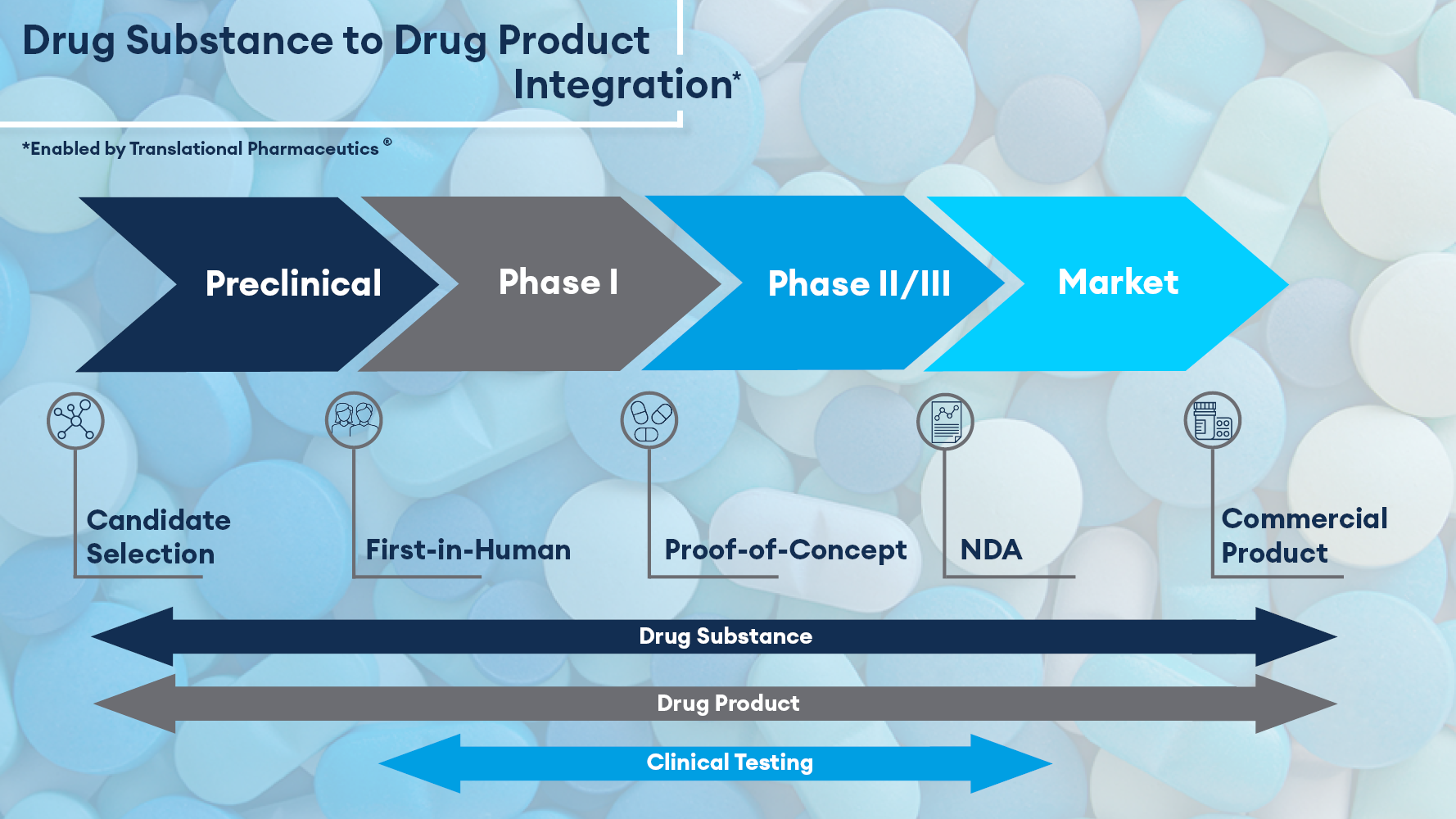
At Quotient Sciences, we have demonstrated the benefits of embedding formulation flexibility within FIH trials to enable a “patient-ready” formulation to be identified and be ready for POC studies in an average of 12 months, less than half the time of the industry standard. We accomplish this by integrating real-time manufacturing and clinical testing. Studies can start quickly with a simple FIH formulation, allowing parallel development of a solid oral format, which is introduced into a later part of the FIH protocol without the need for a separate clinical PK bridging study. At the end of dosing healthy volunteers in the FIH trial, the lead formulation is manufactured and supplied to the patient POC study. No further pharmaceutical development or clinical bridging work is required. This is ideally suited to rare disease therapeutics, as patient trials can be initiated with confidence in the clinical performance of the drug product.

We have also developed significant expertise in providing manufacturing and supply chain solutions for challenging patient trials for over a decade.  We are aware of the difficulties presented where recruitment rates are sporadic across multiple study sites in multiple countries.  There may also be a need to customize the drug product based on specific patient attributes. To that end, we are able to support complex clinical trials based on program needs, whether with “traditional” large batch manufacturing, all the way through to the personalized product manufacture. Our focus is on helping the customer get the right product to the right patient at the right time.

Looking ahead, modest market potential will mean an even greater focus on managing program time, cost, and risk. Lean and flexible programs will be imperative to progress molecules effectively and efficiently from candidate selection through to commercialization. By definition, access to patient populations during clinical research will be challenging and may require increasing personalization of the drug product based on individual patient needs. A flexible manufacturing and supply platform will be key. Finding the right commercial manufacturing partner will be challenging given the relatively low production volumes required and the high variability in product formats and configurations.


 

Overcoming Challenges in Oncology Drug Development: A Q&A addressing trends, challenges, and solutions with our expert

Oncology , Translational Pharmaceutics , High Potency APIs , Drug Product

Overcoming Challenges in Oncology Drug Development: A Q&A addressing trends, challenges, and solutions with our expert

Summary: Oncology drug development continues to be a major focus in the pharmaceutical industry, with over 5,500 molecules in development—representing more than 35% of the global pipeline. Despite the high unmet medical need, oncology programs face low success rates and extended clinical timelines due to complex trial designs and patient recruitment hurdles. In this Q&A, John McDermott, VP of Scientific Consulting at Quotient Sciences, discusses the challenges and trends shaping the oncology landscape. 

Oncology development trends and drug product manufacturing

A: Oncology drugs dominate today’s research focus with over >5500 molecules in development, representing over 35% of the total industry pipeline. In 2019, 10 new oncology drugs were approved by FDA, of which half had an orphan indication and all had been granted priority review.

With over 300 oncology projects completed in our drug development history, Quotient Sciences offers end-to-end support to bring oncology therapeutics from drug product formulation development through to commercial manufacturing. Our high-potency API (HPAPI) capabilities, flexible batch sizes, and global regulatory approvals make it us trusted partner for oncology drug developers.

In this Q&A, John McDermott, VP of Scientific Consulting at Quotient Sciences, discusses the challenges and trends shaping the oncology landscape. 

Q: What are some of the trends and challenges in the development of oncology therapeutics?

A: Given the number of molecules in development, there is so much pressure on development teams to identify successful drug candidates as quickly as possible, and accelerate patient access, particularly where no effective therapies are currently available. 

However, the oncology therapeutic area remains a challenging one to navigate and success rates are low. The likelihood that a molecule entering Phase I trials will reach market is around 10%, with the average duration of an oncology clinical trial taking 40% more time than other therapy areas due to the difficulty in patient recruitment.

Oncology drug development has seen a significant shift in focus as molecule chemistries and drug technologies have improved. Historically, most oncology drugs were cytotoxic compounds with poor safety profiles. In recent years, a better understanding of cancer aetiology has improved drug target specificity of oncology compounds, leading to the advent of molecular target agents (MTA), with more favorable safety profiles. 

Targeted small molecules currently make up around 40% of the global oncology pipeline, whereas cytotoxins have fallen to just 7%. This movement has opened the opportunity to use more convenient dosage forms, with oral administration considered the gold standard for patient compliance. 

Understandably, compared to the intravenous dosage forms, the move to oral solid dosage forms brings a different set of biopharmaceutics challenges that need to be overcome.

Q: What types of development and manufacturing services does Quotient Sciences provide for oncology therapeutics?

A: We've worked on more than 300 projects and over 91 different oncology drug candidates across different indications. As a fully integrated drug development, clinical testing and manufacturing organization, we're well positioned to address the challenges associated with developing small molecule oncology therapeutics. 

Our extensive formulation development capabilities and flexible approach to clinical drug product manufacturing, with capabilities to also manufacture drug product up to commercial scale, makes us a valued partner for anyone looking to advance oncology therapies.

Additionally, for almost two decades, the Translational Pharmaceutics® platform has been able to remove extra time and steps from oncology drug development. Consolidating drug product and clinical testing within a single program of work helps reduce the burden of outsourcing, while providing a resource-efficient approach to clinical trials. 

We've demonstrated that formulation flexibility in Phase I healthy volunteer trials can be used to develop “patient ready” formulations for oncology molecules in less than half the time of the industry standard through applying the Translational Pharmaceutics® platform. Another benefit is the ability to modify dosage forms for additional areas of need, such as pediatric patients.

Q: Are there any other specialized drug product manufacturing services that Quotient Sciences provides for oncology therapeutics?

A: Global demand and growth for targeted oncology therapeutics has led to an increase in the manufacturing of high potent active pharmaceutical ingredients (HPAPIs). This has driven the need for high potency handling capabilities, particularly high-containment manufacturing facilities. 

Handling these ingredients in the drug supply chain requires specialized equipment and enclosure systems in order to avoid cross contamination, product protection and to ensure operator and environmental safety. Our facilities have the necessary handling and containment capabilities, and our teams are trained as well on safe handling procedures to minimize EHS risk.

We use the PBLEC system to classify HPAPIs at Quotient Sciences. We look at the type of compound, dosage form, manufacturing process, and batch size required. Our cGMP manufacturing suites are outfitted with the necessary engineering controls to handle PBLEC system 1-5 rated compounds. 

Our facilities have been inspected and approved by all major regulatory bodies, including the FDA and MHRA. From design of experiments (DoE), to registration batches and process validation, our formulation and manufacturing scientists have the experience needed in order to ensure a scalable drug product and successful commercial launch.

Delivering Human ADME Studies

Human ADME , First-in-Human , Iain Shaw

Delivering Human ADME Studies

The study of drug absorption, distribution, metabolism, and excretion, also known as ADME is used by researchers to analyze and investigate how the body processes a drug compound. 

In ADME studies, experts are seeking answers to some very important questions to help progress the drug candidate further into development toward regulatory submission:

  • Where does the drug go in the human body?
  • What happens to the drug inside the body?

Quotient Sciences has been delivering radiolabelled clinical studies for the pharmaceutical industry at our Nottingham, UK facility since 2006, with expertise conducting conventional human ADME studies, intravenous microtracer and microdose studies, and integrated study designs. We have been at the forefront of driving best practices to simplify study delivery while maximizing data output to ensure clients can learn as much as possible about their candidate drug from a study that should only need to be performed once in the development program for any new chemical entity.

ADME studies can be complex

For a relatively simple study design, such as a single radiolabelled dose and subsequent sample collection, the human ADME study can be a complex program of work to deliver. We have always focused on the need to simplify the process for our clients. Using a process-oriented approach, we've designed our Synthesis-to-Clinic® integrated ADME programs to bring together key building blocks for successful study delivery in a coherent fashion that is easy to work into an overall drug development timeline.

At the outset, the coordination of the synthesis of 14C drug substance and the justification of the proposed radiolabelled dose from animal dosimetry data are critical deliverables. Dosing on the human ADME study can’t be scheduled without an understanding of when the 14C drug substance will be delivered, and that can’t be determined until the radiolabelled dose is confirmed so the target amount of radioactivity in relation to the mass of drug can be fixed.

Gaining the necessary approvals for a radiolabelled study is similar to any other clinical pharmacology study. One difference is the addition of the submission to and approval from an Administration of Radioactive Substances Advisory Committee (ARSAC). As such, the experience of our regulatory department, which routinely progresses clinical trial applications through the MHRA and ethics committees, is pivotal in ensuring that we gain approval for these studies in an optimal timeframe.  

Ahead of submission, our team developed a bespoke drug product formulation for the study. For an ADME study, this is usually a simple solution, suspension, or drug in capsule for an oral drug product - something that is not very complex. However, there are limitations on the manipulation of the drug substance due to the radiolabelled content and restrictions on the use of excipients that may interfere with the subsequent sample analysis for metabolite characterization. It is extremely helpful to be able to rely on the experienced formulation capabilities built up over the years to ensure a fit-for-purpose drug product can be developed, along with the necessary data needed for the drug product section of the Investigational Medicinal Product Dossier (IMPD).

Conducting ADME studies in the clinic

Conducting an ADME study in the clinic is straightforward and involves the administration of the drug product followed by extensive sample collection from volunteers. There are strict limits to the number of radiolabelled studies that a volunteer can take part in and we adhere to those guidelines. 

Typically, a human ADME study will have a main residency period of a target duration written into the protocol. There will also be set discharge criteria and volunteers will complete the study when these are met. During the residency period, we will collect all excreta as well as an agreed schedule of blood samples for analysis. 

The discharge criteria are usually linked to the mass balance recovery and as such, the excreta samples collected from volunteers are analyzed daily so that we are able to construct a cumulative mass balance as the residency period continues. When the criteria are met, volunteers can be discharged. There are always contingencies for extra collections if the criteria are not quite achieved in the target time period.

Our metabolism laboratory conducts the analysis of excreta for mass balance and reports results daily, allowing us to generate the mass balance data that leads eventually to subject discharge. The radioactivity determined in the plasma and excreta samples then enables the pooling strategy for metabolite profiling which will identify any metabolites that might need to be fully characterized. The mass balance data will be reported routinely within the clinical study report while the metabolite characterization will be reported separately and appended to the clinical study report when it becomes available.

Providing the best ADME program outcomes for clients

We are often asked to incorporate an intravenous microtracer period into the study design of the human ADME study and these integrated IVMT/ADME studies now represent the majority of the radiolabelled studies we perform. At a basic level, these designs enable an assessment of absolute oral bioavailability of the clinical stage drug product together with the mass balance and metabolite characterization assessments. 

Extending the sample collections and the scope of sample analysis, and comparing data across the IVMT period and ADME period, lets us investigate the overall disposition of the drug product in greater detail. The extent of the additional scope of work will always be driven by the requirements of the client's development team and drug product.

The strength of our operational teams is a critical factor in the successful delivery of the studies we perform. The ability of our scientific and medical teams to perform detailed interpretations of the data generated from the studies performed helps in ensuring we can maximize our client's understanding of the routes and rates of elimination of their drug in the human system.

Contact us to learn more about our 14C human ADME capabilities and talk about your next program.

The formulation development challenges of developing dry powder inhalers

Inhalation , Formulation Development , Martin Wing-King

The formulation development challenges of developing dry powder inhalers

Small Molecule Development & Manufacturing at Quotient Sciences

The global dry powder inhaler (DPI) market continues to rapidly grow. This is riding on the back of various factors such as the growing prevalence of respiratory diseases such as asthma, COPD, and others. Moreover, the rising demand for advanced healthcare devices for the treatment of chronic diseases is envisioned to increase the demand for DPIs.

DPIs are the preferred dosage form for respiratory diseases because the maximum drug load is delivered directly to the lungs, thus minimizing any unwanted systemic effects that can occur with oral or parenteral delivery. Despite the increasing need for respiratory drugs, there is still a high barrier to entry for new products due to the challenges with DPI development.

In this blog piece, Martin Wing-King, our Director of Project Management, will cover the development challenges and pitfalls involved in the development of DPI products. He will cover aspects from drug substance to formulation development, and device design.

What is a DPI?

A DPI consists of a powder (either engineered or API) on a carrier particle that is delivered using a device. The device is actuated and inhaled in order to produce a jet or burst of powder that is typically delivered to the lungs as the target delivery site.

There are many factors to consider when developing a DPI, including:

1. The shape of the drug particle affects the performance of the DPI, so It is imperative to have a clear understanding of the drug substance’s physiochemical characteristics, including:

  • Crystallinity
  • Particle size
  • Morphology
  • Hygroscopicity
  • Chemical purity
  • Residual solvents
     

2. Particle engineering plays a key role when developing a DPI. The shape, size, and the uniformity of the particles determine how they behave once aerosolized and dispersed within the lung.  Important considerations to take into account include:

  • Can the drug substance be micronized to a suitable particle size for inhalation?
  • Can an engineered particle be developed via spray drying to avoid the need for a carrier particle?
     

3. Selecting the right carrier particles for your API will determine the delivery performance of your DPI.  Carrier particles are used to improve the flowability of the API to the target delivery site, they increase dispersion of drug particles during emission and they also dilute the drug in order to improve accurate dose delivery. (1)

  • The most common carrier used in DPI products is lactose, however, you must determine which particle size distribution (PSD) and morphology is best suited for the drug substance
  • Do you need to use an additional excipient to improve stability and/or performance?
     

4. Selecting the delivery device type and container closure is the next step.  Unlike oral and parenteral dosage forms, DPIs involve a complex interaction between the delivery mechanism and the patient which can present many challenges, so you must consider the following:

  • What kind of device is being used? Passive or active
  • How patient-friendly?
  • Reservoir, capsule, or blister strips
  • Does the formulation or device need a specific container closure to protect it from moisture?
     

5. Container closure systems can also impact the successful delivery of your DPI.

A DPI container closure system consists of the device constituent part and any protective secondary packaging. Current designs of DPI products include pre-metered and device-metered DPIs, either of which can be driven by a patient’s inspiration alone (passive) or with power assistance of some type (active) for the production of drug particles intended for inhalation. (2)   Important things to keep in mind when selecting your DPI’s container closure system include:

  • Understanding the patient demographic for your DPI can greatly impact the selection of a containment closure system
  • The type of manufactured drug product and product expiation can greatly influence the type of container closure system

6. Process development also needs to be well understood in order to develop a robust product. Considerations should be made on how easily the developed process can be scaled up.

  • The first stage is typical of powder blend development. The typical variables here are the type of blender (low shear or high shear), sequence of addition, blend speed, time, and evaluation of environmental conditions such as temperature and humidity. 

Once a robust blend is developed, then the next stage would be the filling of the powder into the device or capsule/blister for actuation.  There is a range of different filling techniques (auger screw, dosator, tamping, vacuum drum, etc) available for filling of the powders, selecting the most appropriate mode of filling and associated equipment is also important to ensure that the powder performs as expected after actuation.

There are pros and cons with each of the available filling techniques, so these need to be carefully evaluated to get suitable product performance with also an eye on scale-up in the future.


Summary

Understanding the risks and challenges involved with developing a robust DPI product lays the foundation for the best chances of success.  

For more information on our inhaled drug development capabilities, click here.


References

1. Influence of physical properties of carrier on the performance of dry powder inhalers

Tingting Peng, Shiqi Lin, Boyi Niu, Xinyi Wang, Ying Huang, Xuejuan Zhang, Ge Li, Xin Pan, Chuanbin Wu

Acta Pharm Sin B. 2016 Jul; 6(4): 308–318. Published online 2016 May 4.

https://www.ncbi.nlm.nih.gov/pmc/articles/PMC4951591/


2. Metered Dose Inhaler (MDI) and Dry Powder Inhaler (DPI) Products - Quality Considerations Guidance for Industry
U.S. Department of Health and Human Services Food and Drug Administration Center for Drug Evaluation and Research (CDER) April 2018 Pharmaceutical Quality/CMC Revision 1

https://www.fda.gov/media/70851/download


Scientific Achievements in 2020

Scientific Achievements , Dr. Peter Scholes

Scientific Achievements in 2020

Quotient Sciences

As we start 2021 with renewed hope in how medical science will deliver global healthcare benefits, I would like to share an update on the scientific activities at Quotient Sciences during the last 12 months.

We take great pride in the science and innovation that we help bring to drug development, and the way we work with our customers to design and deliver integrated programs of work that accelerate their medicines to patients.  We believe it’s important to publish research findings from these collaboration programs of work and hence I’m pleased to share that in 2020 Quotient presented 10 scientific posters at global conferences and had five peer-reviewed articles published in scientific journals. We are grateful to our customers for their support, and to our talented scientists involved in the research projects. We are firm believers that sharing knowledge with the wider pharma community will help accelerate the development of new medicines around the world; therefore details and links to some of the key papers and posters are provided below.

As we ‘look to the horizon’, we strive to anticipate and address future customer and market needs.  Throughout 2020, we continued to invest in new drug product manufacturing and analytical technologies across our global site network, including particle size reduction, amorphous solid dispersions, and solid-state characterization.  Working with customers we also developed new technologies to optimize oral drug delivery, including gastroretentive systems and zero-order release formulations. Our multiple research collaborations with leading Universities also continued, which is helping us translate research into industrial practice.  A recent example is the deployment of 3D printing technology for tablet production in our laboratories.

Please contact us if you would like any further information

Scientific Posters

"A Quality by Design Approach to Optimize and Accelerate Formulation and Process Development Leading towards Registration Batches Manufacturing"

AAPS PharmSci 360

Access here


"Development of High Drug Load Multiparticulate Beads Using an Extrusion-Spheronization Process"

AAPS PharmSci 360

Access here


"Addressing the scale-up challenge of a Low-Dose Tablet Formulation through blending and roller compaction optimization"  

AAPS PharmSci 360

Access here


"Improving the Stability of a Spray-Dried Peroxide-Susceptible Drug in Tablets"

AAPS PharmSci 360

Access here


"Development of Radiolabeled Surrogate Beads for Tracing Gastrointestinal Transit of Oral Multiparticulate Formulations"

AAPS PharmSci 360

Access here


"Flexible formulation assessments in FIH studies for poorly soluble drugs accelerates dosage form development, manufacturing and supply for patient POC trials"

AAPS PharmSci 360

Access here


"Development of an X-Ray Diffraction Method for the Quantification of API Recrystallized From Amorphous API in A Low Dose Dry Powder For Inhalation Formulation"

RDD conference

Access here


"A Clinical Assessment of Delayed-Release Coated Capsule Compositions for Regional Gastrointestinal Delivery using Gamma Scintigraphy"

CRS (Controlled Release Society) Meeting and Exposition

Access here


"Risk-Based Monitoring from a Phase I Clinical Site Perspective"

Society of Quality Assurance Annual Meeting

Access here


"Current practice in the conduct of acceptability/palatability/swallowability trials:

A review of methodology associated with trials registered on the EU clinical trials portfolio"

European Paediatric Formulation Initiative (EuPFI)

Access here


Scientific Papers

"Phase I evaluation of the safety, tolerability, and pharmacokinetics of GSK3640254, a next-generation HIV-1 maturation inhibitor.”

British Pharmacological Society Journal

Access here


"Can children swallow tablets? Outcome data from a feasibility study to assess the acceptability of different-sized placebo tablets in children"

BMJ peer-reviewed journal

Access here


"Development of AITC‐induced dermal blood flow as a translational in vivo biomarker of TRPA1 activity in human and rodent skin"

British Pharmacological Society Journal

Access here


"Best Practices in the Development and Validation of Physiologically Based Biopharmaceutics Modeling. A Workshop Summary Report"

Journal of Pharmaceutical Sciences

Access here


Taste-masking strategies and techniques for drug development

Pediatrics , Nazim Kanji

Taste-masking strategies and techniques for drug development

Pediatric Formulation & Product Development at Quotient Sciences

Drug substances that are extremely bitter or have other aversive taste attributes are a common problem in drug development. 

A key challenge is understanding how to effectively mask these taste properties in order to ensure patient compliance, especially if the end drug product is intended for pediatric and geriatric populations, who are not able to swallow conventional dosage forms such as tablets and capsules. This can affect drugs across all therapeutic areas and can be influenced by several factors including the chemical structure of the drug substance, solubility, and dose.

So, what is a drug developer supposed to do? Thankfully, there are very effective taste-masking strategies and techniques that drug developers may consider. We asked our Executive Director of Pediatric Services, Nazim Kanji, to share his knowledge on taste masking.

“Alternative taste assessment techniques can be used during drug product development in order to help understand the challenges associated with the bitter taste of drug substances and assist with the selection of dosage form and taste-masking strategy to improve patient compliance. These include human taste panels, analytical tools, and also animal models,” said Kanji.

“Taste assessment using human panels involves groups of healthy volunteers in a clinical setting tasting a drug with potentially unknown adverse taste characteristics, both alone and in combination with alternative flavors and sweeteners, and providing feedback on its taste and palatability. Then, formulations are developed with the goal of overcoming these challenges before a second taste assessment is conducted to confirm the palatability of the drug product,” Kanji said.

“A common in-vitro analytical tool to assess taste is the electronic tongue (e-tongue) which uses sensors that aim to imitate the action of molecules interacting with human taste buds. During the assessment, the formulation or API (active pharmaceutical ingredient) is evaluated against a reference material and the taste data generated are evaluated to determine palatability.”

“An animal model that is used for taste assessment is the rodent brief access taste aversion (BATA) model where the rodents lick patterns and frequencies are used to determine the palatability of the molecule."

“Taste assessment using a human panel is considered the most reliable method of characterizing taste of APIs or drug product formulations while correlations between human taste panel scores and e-tongue or BATA data can be difficult to achieve.”

Once the taste profile of an API has been determined, what are the next steps when it comes to designing a palatable drug product?

“There are quite a lot of choices when it comes to formulation options and taste-masking strategies, all of which are employed by our drug development experts here at Quotient Sciences,” Kanji said.

“For dose forms such as solutions, suspensions and powders for reconstitution, flavors, and sweeteners can be added in order to achieve appropriate taste masking, and complexing agents can also be utilized to prevent the drug molecule from interacting with the taste receptors.”

“For solid dose formats such as tablets, mini-tablets, and multiparticulates we can use coatings as a barrier to prevent API release in the mouth.”

As you can see, taste assessment and taste masking can be very important parts of the drug development process to ensure patient acceptability and compliance for achieving the desired therapeutic outcomes. 

What taste-masking challenges are you currently experiencing with your API

Contact us today to learn more.


Getting product to the right patient at the right time: Flexible, on-demand product manufacturing and clinical trial supplies

Clinical Trial Manufacturing , Drug Product

Getting product to the right patient at the right time: Flexible, on-demand product manufacturing and clinical trial supplies

Quotient Sciences has a breadth of knowledge and expertise in the provision of drug product manufacturing and supply chain solutions. Our focus has always been on helping our customers get the right product to the right patient at the right time, no matter what it takes. 

In 2013, Quotient Sciences started working with a client that was developing a medicine for children with a rare genetic disorder linked to progressive debilitating liver disease. Children suffering from this illness often experience severe pruritus’ (severe itching), leading to major disruption of sleep patterns and poor quality of life. 

In some of the most severe cases, children could be known to itch so much that they caused intense skin bleeding. In these cases, it was not uncommon for parents or caregivers to have to change the child's bedding 2-3 times a night, causing a lot of stress for both the parent or caregiver and child.  

Quotient Sciences was tasked with manufacturing an oral pediatric solution on a “real-time” basis to support the Phase II patient trials to try to demonstrate proof-of-concept for the molecule. While working on this program, I received a phone call from a Study Coordinator at Birmingham Children’s Hospital, which was one of the clinical sites enrolling patients for the trial. With tears of joy, she shared with me that the parents of a 12-month-old child being treated shared the news that the child's sleep patterns had improved so much that they had now started to sleep throughout the night without any signs of itching, discomfort, or bleeding. 

It was that conversation that reminded me why we do what we do at Quotient Sciences.

Adaptable clinical trial materials manufacturing

We are acutely aware of the sporadic nature of patient recruitment across multiple study sites in multiple territories and, as such, have developed an adaptive approach to drug product supply provision. 

In addition to traditional batch drug product manufacturing, alternative strategies to offer more flexible solutions for customers include brite-stock manufacturing and personalized “real-time” drug product manufacturing, packaging, and distribution of patient-centric clinical trial supplies.  

Ensuring the product is only manufactured, packaged, and distributed when it is required, allows for:

  • Greater management and control of CMC investments
  • Avoids upfront stockpiling of drug products
  • Avoids wasted API, especially when it is high value or available at limited quantity
  • Offers dose flexibility to meet patient and program needs

To date, we have utilized this approach in the provision of over 2,500 clinical drug product shipments and have directly provided drug product to more than 160+ clinical centers in over 20 different countries for patient provision. 

 Personalized "Real-time" ManufacturingBrite=Stock ManufacturingTraditional Batch Manufacturing
Batch SizeSmallLargeLarge
Dose FlexibilityHigh MediumLow
Labelling/ShippingPer patient/countryPer patient/countryBulk Product
Shelf-life stabilityShort-termLong-termLong-term
API ConsumptionLow LowHigh
Product Overage/WasteLowLow High
CostLowLow High

Over the years, we have listened to and found solutions to our customer’s clinical supply needs and specialize in tailoring product configurations to meet both patient and flexible program needs.  

Getting drug product to the right patient at the right time

Many clients, from small biotechs to “Big Pharma”, have historically put a lot of emphasis on the development of a drug product concept and less so on the actual delivery of the subsequent manufactured product.

Anyone who has tried to ship drug product (or raw materials, chemicals, and similar commodities, for that matter) across different borders, territories, and countries will know of the many tripping points and challenges faced in ensuring the product arrives where it should, when it should, and without its integrity being compromised.

Quotient Sciences has the experience to overcome such challenges and take the headache away from the client. Along with manufacturing the clinical trial materials, we can then help coordinate the actual distribution of products using specialist courier services, handle local rules and regulations, translate documentation, manage import and export licensing, and more. Our cross-functional operational teams bring together scientific, quality, project management, and regulatory team members to ensure all aspects of delivery are considered and we can ensure that products get to the right patient at the right time.

Find out more: Global clinical trials supplies service from Quotient Sciences

With our deep understanding of clinical trials and drug product manufacturing combined, we offer a global clinical trials supplies service that extends to:

  • Expert consultancy to define optimized clinical trials supply and logistics strategies
  • Support and advice on the randomization and trial supply management (RTSM) system, built to ensure that drug products get to the clinical site on time
  • Reduced administrative burden with a single provider under a single contract, avoiding challenges that come with using multiple vendors
  • Consultancy and design of packaging solutions to ensure product integrity, factoring in intended shipping routes, storage requirements, clinical design, and mode of administration for patients
  • Annex 13 compliant and 21 CFR Part 11 compliant label design services, including label and packaging translation services
  • Preparation of global distribution shipping documentation, aiding in seamless dispatch of products and avoidance of unnecessary delays at the port of entry
  • Provision of shipping studies to de-risk subsequent Rreal-time drug product supply

Find out more about our global clinical trials supplies service or contact us today to discuss your program.

Quotient Sciences: Molecule to Cure. Fast. Rebranding in the peak of the COVID-19 pandemic

Scientific Innovation , Translational Pharmaceutics

Quotient Sciences: Molecule to Cure. Fast. Rebranding in the peak of the COVID-19 pandemic

Translational Pharmaceutics Now With Drug Substance - Quotient Sciences

In March 2021, we reached the twelve-month anniversary of when the world declared the COVID-19 pandemic. Who would have imagined the year that we were about to experience?

At the beginning of March 2020 when COVID began to spiral, events started to unfold quickly at Quotient Sciences. Almost overnight, we had to transition half of our workforce into remote working and many of our colleagues needed to self-isolate for extended periods as the virus struck. Operational schedules were in a high state of flux as our customers also managed the consequences of the pandemic on their businesses.

On a personal front, Friday 13th March was the first day that I experienced COVID symptoms, being quickly followed by most of the leadership team also succumbing to infection. We needed an all-hands-on-deck approach to manage the business through the turbulence.      

Our immediate focus was to ensure stability and to maintain, as best we could, project delivery for our customers. I was inspired by the commitment and dedication that was displayed by my Quotient colleagues and this was recognised by some excellent feedback from customers and key stakeholders.

As we entered into the summer of 2020, we had to decide whether to “stick or twist” on two important projects that were underway. We had initiated a rebranding project earlier in the year and were about to begin a project to acquire the UK business, Arcinova in Alnwick. We went back and forth in our deliberations, but it became clear that everyone was aligned. We wanted to emerge from the pandemic in a stronger position than we entered, and both projects were essential components of our growth strategy. 

We decided to “go for it”.

The “Soul of Quotient” – underpinning our “Molecule to Cure, Fast” rebrand

During my fifteen years at Quotient, I have always had an itch that our branding did not quite capture the passion and excitement that exists within the business. Most of our leaders (including myself) are scientists at heart and communicating emotions and feelings if they cannot be underpinned by data and logic does not come naturally.  We needed help.

The head of healthcare, Silvia Oteri, at Permira (our private equity partner) recommended that we meet Peter Economides, a brand strategist with broad and deep experience across multiple industries including healthcare. Our very first meeting with Peter was inspiring and gave me confidence that this branding project was going to be different from previous attempts.

Peter encouraged us to harness the “Quotientness” of Quotient Sciences. Putting into words our passion for building a differentiated business that helps to accelerate the development of new drugs for patients in need and makes a difference to humanity as a whole. Our commitment to being “science-rich”, striving to deliver excellence in customer service, and to continually looking to innovate our customer proposition. A business that recognizes the importance of its employees and supports their growth, so that each individual can achieve their fullest potential – with a strong competitive drive to win for our customers, investors, but most of all for the patients that will use the medicines we have helped to develop. To me, this is the soul of Quotient Sciences.

Our brand also had to be future-proofed, to provide the business with a platform for growth, enabling us to spread our wings and grow, and to propel the business to its full potential.  

Our Manifesto

A central component of our rebrand is our Manifesto. This reflects our purpose, our focus, who we are, and what we do.

Where science and agility integrate and combine. Cutting through silos across a range of drug development capabilities. Saving precious time and money in getting drugs to patients. Everything we do for our customers is driven by an unswerving belief that ideas need to become solutions, molecules need to become cures, fast. Because humanity needs solutions, fast.

I am thrilled with this Manifesto. It captures exactly what Quotient Sciences stands for. It is our true North to guide my colleagues and me, as we develop the business. Our mission is to accelerate the development of new drugs for patients, by breaking down silos to deliver integrated programs, which we deliver to our customers with excellence.

If we do right by our customers, and right by our colleagues, I have always believed that we will succeed.

The Future

As I write this article, the COVID-19 vaccination programs are well underway. We appear to have weathered the worst of this pandemic and as we approach some form of normality, we are emerging with our rebrand in place and the Arcinova acquisition complete. Twelve months ago, I would have “snapped your hand off” if I had been offered this position back then. Our focus now is all on “getting back to business”. Delivering for our customers and helping to progress new medicines for patients. I couldn’t ask for more.

Spotlight on Edinburgh: Q&A with Greg Johnson

Data Sciences

Spotlight on Edinburgh: Q&A with Greg Johnson

Data sciences blue graph with a line chart

As the Global VP of Data Sciences and managing Site Head at Quotient Sciences’ Edinburgh location, Greg Johnson oversees the Data Science services that we provide to our clients. This involves working closely with the functional Directors for each of the six different Data Science departments (Database Programming, Data Management, Statistical Programming, Pharmacokinetics, Statistics, and Medical Writing) and alongside our clinical units in Nottingham and Miami.

Looking back to when you were first starting your career, was your goal to be where you are now?

I grew up in Cambridge UK, studied for a BSc in Pure Mathematics and Statistics at Cardiff University, and then trained to be a teacher in Wales. In 1990 I moved to Edinburgh and I have lived here ever since. Initially, I had no real career plan in mind other than to try something different first before I became a full-time teacher. I was lucky enough to be offered a job as a clinical programmer which I enjoyed and became more involved in Phase I-IV clinical trials, performing different roles over the years at a variety of Phase I-IV CROs. I used to occasionally think I would go back to teaching “in a couple of years”, however after 30 years in the clinical trial industry that seems less and less likely!

You mentioned that you started in Data Management and Programming, how has your career progressed since then?

Just after I started work in clinical trials, networked PCs were rolled out and the early ones were about the size of a fridge, however at the time, this seemed quite cutting edge. The early Phase clinical trials we conducted were more simplistic in design, much less adaptive, and usually single-part. Paper CRFs were used to collect study data and ‘remote access to data’ consisted of faxing copies to sponsors to allow them to review study data. Although the methods of data collection and technologies have improved immeasurably, requirements for GCP and scientific rigor in study set-up, data management, statistical analysis, and reporting have all remained unchanged.

How does Data Sciences help our customers?

We help our clients by providing an integrated Data Science service in support of clinical trials conducted in the Nottingham and Miami units. We work flexibly depending on the different sponsor needs, for example, Biotech generally relies on us as their in-house experts, whereas the work is more collaborative with Pharma staff for data management, statistics, etc.

In summary, the Data Science departments perform key tasks including protocol writing, randomization, and database building to allow study set-up. During the study we manage data and aid interim decision-making; after the clinical phase ends, we lock the study database, program datasets, and summary listings/tables, and perform statistical and pharmacokinetic analysis/interpretation, all of which are then included in the Clinical Study Report (CSR). Essentially, the CSR and datasets are the reason that the sponsor is ultimately conducting the study.

What types of programs does the Edinburgh facility support?

Most Data Science staff are based in Edinburgh, however, we also have staff in Nottingham and Miami. We provide Data Science services for the wide variety of clinical studies/programs conducted at our Nottingham or Miami sites.

For each study, a functional Lead is assigned from each of the six Data Science departments (e.g. Lead Medical Writer, Lead Statistical Programmer, etc) and we support all our clinical trials in one way or another. For most studies we provide “full service” i.e. we perform all Data Science tasks. A few sponsors prefer to perform some, or all of the Data Science services themselves, although we always build the study eSource database because that is required for data collection in our clinical units.

How does the Edinburgh facility support Quotient Sciences’ Translational Pharmaceutics programs?

Data Sciences are a key component of our Translational Pharmaceutics offering. In addition to the Data Science study services described above, we provide interim PK reports and interim database listings. These enable crucial dosing decisions to be made during Translational Pharmaceutics studies e.g. after a cohort or study period. We have provided hundreds of such interim outputs over the past few years, usually within only a few working days.

How much has changed in terms of the team since you started up until now?

I joined six years ago and in this time Data Sciences has grown from just over 30 staff to almost 85. As a result, three years ago we outgrew our Edinburgh office and moved to the current office in the West of Edinburgh.

Due to our specialist early Phase services and procedures, we have tended to recruit new graduates and train them. However, we have also hired some experienced staff who we think they will bring some valuable experience. With support from others like HR and Recruitment, I believe we have been very successful in both approaches and the excellent Data Science staff project work over the years would seem to demonstrate this. In addition to technical skills, we put high emphasis on teamwork; one related comment made to me by a new member of staff about a year ago was “How do you manage to only recruit good people?” which I particularly enjoyed hearing.

What do you think is one of your teams biggest successes?

I was fortunate that when I took over the Data Science department it was in excellent shape with a stable Data Science management team and strong support staff. I am delighted to have been able to help continue the expansion of Data Sciences and services alongside the growth of the clinical studies conducted in Nottingham. Since the Miami clinical unit was acquired and integrated into the Quotient Sciences family, I have also been pleased to see how we have jointly delivered growth in the number of “full service” studies conducted there and how well we work with the clinical and project management staff there too.

I am also proud that we see so many Data Science staff start and progress their careers here, and they in turn have contributed massively to the business's success.

When conducting a study, what do clients need to make crucial dosing and program decisions?

To drive the next stage of their overall clinical development program or raise additional funding, sponsors need to include one or more of the following deliverables from Data Sciences: interim or end-of-study pharmacokinetic/statistical results and interpretation, a published CSR and/or datasets (e.g. CDISC SDTM, ADaM and define-xml packages) for regulatory submission.

We typically lock a database within 3-4 weeks of the end of the clinical phase and can issue a draft CSR 5-7 weeks later, depending on the study size and complexity. These metrics compare very well with industry standards and we have many examples of sponsors taking much longer when they perform Data Science services in-house or elsewhere. 

Our strong record for timeline adherence reflects the close working relationships between the different Data Science departments and with project management, clinical, and others across our sites.


The role of a Drug Development Consultancy

Drug Development Consulting

The role of a Drug Development Consultancy

As the drive to outsource across the entire drug development pathway continues to gain momentum, big pharma, smaller/mid-size biopharma, and virtual organizations alike, are all looking for ways to progress assets and develop medicines quicker and with reduced cost. 

Traditional silos are still very prevalent between each key subset of pharmaceutical development. Drug substance manufacturing, formulation development, clinical trial manufacturing, CRO services, and commercial manufacturing often stand apart. 

The effort to outsource across multiple vendors, and manage complex logistics &supply chains, can make such savings in time and costs difficult to perceive and even harder to quantify.  

Where can our drug development consultancy help? 

Many years ago in the CDMO space, it was quite rare for a prospective customer to come ‘armed’ with a third-party consultant. As the frequency of consultant involvement increased over the years, it was often a complex three-way dialogue to navigate, who was the voice of our customer? To what extent should a service provider provide scientific recommendations?

Quotient Sciences has paved the way for effective relationships with our customers and their consultants in many ways. All of these reflect our commitment to meeting customer needs by focusing on the molecule and sound science to guide the development strategy. Impressively, outside of our customer relationships we actively engage with a large network of consultants globally. 

We use these consultant relationships to help us understand market trends and customer needs through the eyes of this incredibly diverse, deeply knowledgeable group of industry experts. It may be as simple as bouncing off ideas for our next capability investment, our next acquisition, or simply to understand where we are perceived to be either strong or weak as a service provider.

Our team of internal drug development consultants fosters these relationships, which creates a strong platform of mutual respect and shared scientific expertise.

What support do customers need to ensure the success of their formulation and their molecule?

As a service provider, we believe that there are two things more important than anything else to position a drug development program for success – proactive communication and a strong scientific problem-solving ability. Both are rather obvious, perhaps, but often a challenge within busy CDMOs focusing on operational delivery and ‘meeting milestones’. With outsourcing from big pharma and small to mid-biopharma often involving multiple vendors, there must be a strong degree of coordination across all stakeholders. Too often delays result from poor cross-management of timelines and deliverables between external vendors. Challenges are not uncommon during development, but the ability to ensure smooth communication and coordination as well as scientific evaluation and actions means that a consultancy role can add value, and save time and ultimately cost.

When you pair strong scientific thinking and great communication skills with the unique and proven ability to integrate drug product development with clinical dosing/testing – it is a differentiated and unique combination provided by our team.

Our clients are developing valuable assets to bring potentially life-saving medicines to patients – they should feel that this value and burden is understood and shared by those organizations supporting their development process.

Focusing on fundamentals – really understanding molecules from a physical and chemical perspective, means that our approach to working with customers is data-driven and scientifically robust. We allow science and customer needs to drive our approach and remain agnostic to the technologies used, pre-emptively addressing potential issues and trying to save our customers both time and money.

What should customers look for when evaluating service providers? 

We have always found it incredibly rewarding to collaborate with a wide range of customers and get exposure to a broad range of compounds and dosage forms. The variety and pace are not for everyone, but we would not have it any other way. We have often thought about how we would select a development and manufacturing provider (aka ‘vendor’) if we were our customers looking into our business.

First, we would look for an organization that didn’t see itself as just a vendor. We would want to see that they cared about the project, with an appropriate sense of urgency, and that they really understood all objectives and key milestones. We would also expect them to have a good depth of scientific expertise.  

If we were a small biotech company planning to sell an asset and exit at the Proof-Of-Concept (POC) stage, or maybe a big pharma business with a wealth of in-house expertise that plans to take this all the way – does our development partner understand my compound and my goals? We would want a partner that is collaborative and prepared to ‘sit round the table’ brainstorming and sharing expertise on the best project plan – best both in terms of robust science and timeline. 

We want to see that the organization is nimble and has the autonomy to react to resources and capability needs and has a sense of proactive creativity. We would also want to connect with those who will actually deliver our program and ask if they are they as committed and strong scientifically as those who won our business…?

We believe that our attributes answer those questions and underpin the ability to design and deliver complex integrated programs of work globally. They allow us to provide a differentiated level of scientific service to our customers.

What drug development consultancy support can Quotient Sciences provide?

Quotient Sciences has a global team of scientific experts, with a key objective to ensure that we fully understand and support the wide range of molecules, customers, and customer needs that we encounter. 

Our Drug Development Consultants have a unique breadth and depth of scientific expertise, but are also very experienced in operating as our customer's primary point of contact. The ability to combine these skill sets is often quite difficult to find, but in Quotient we excel!

Our other areas of expertise include:

  • Formulation Development
  • Clinical Trial Manufacturing
  • Clinical Pharmacology
  • Data Sciences
  • Drug Substance
  • Bioanalysis
  • Commercial Manufacturing
  • Drug Development Consulting


Subscribe to